

How Aerial Yoga Helps You Feel Safe Again
Most people picture aerial yoga and think of acrobatics. Performers suspended high above the ground, bodies twisted into impossible shapes, strength and flexibility on display for an audience.
What actually happens inside the hammock is often the complete opposite of that.
It is quieter. Slower. More inward. And for many people, particularly those who have spent years feeling unsafe, overwhelmed, or simply out of place in their own bodies, it can be genuinely transformative.
Jo Stewart is a Melbourne-based aerial yoga teacher and the author of Eight Limbs of Aerial Yoga: Neurodiversity. She joined Sonia on the On the Spectrum podcast for a conversation that went far beyond the physical practice and into something much more important: what it actually feels like to finally feel at home in your body, and how the right movement environment can get you there.
This post pulls together the key insights from that conversation. Whether you are neurodivergent, trauma-affected, or simply someone who has never quite found a wellness space that felt built for you, this one is worth reading slowly.
Listen to the full episode with Jo Stewart on the On the Spectrum podcast here.
Table of Contents
What Aerial Yoga Actually Is and Is Not
Why the Hammock Works for Nervous System Regulation
The Sensory Tools That Make the Difference
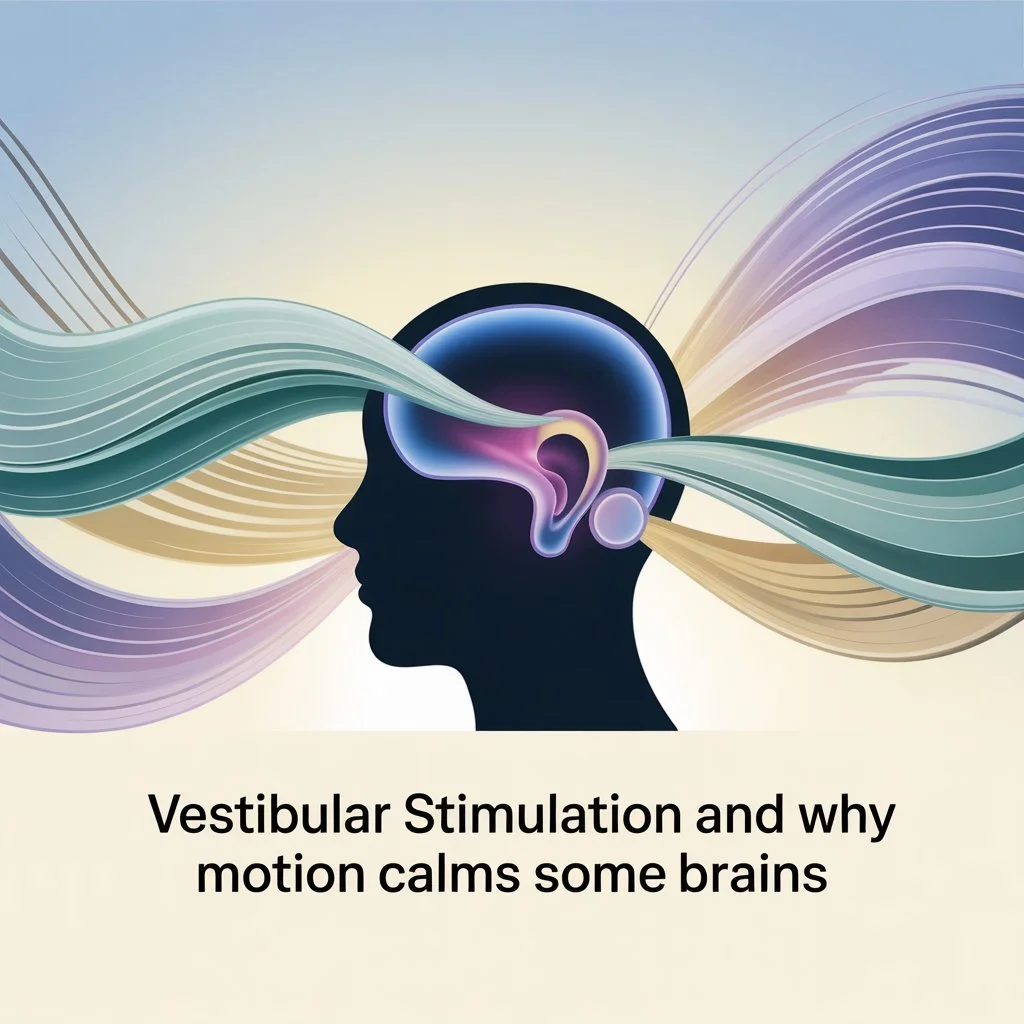
Vestibular Stimulation and Why Motion Calms Some Brains
What a Trauma-Informed Aerial Yoga Class Looks Like
The Three Level Pose Principle
When Yoga Language Misses the Moment
Consent, Choice and Why Rest Is Always Allowed
Access, Mental Health and the Wellness Space Problem
Yoga's South Asian Roots and Why Acknowledgment Matters
About Jo's Book and Where to Find Her
Final Thoughts
What Aerial Yoga Actually Is and Is Not
Before anything else, it helps to clear up what aerial yoga actually involves because the gap between the Instagram version and the real thing is significant.
What most people picture:
Advanced acrobatic poses at height
Strength and flexibility requirements that feel out of reach
Performance-oriented practice in large studios
Something designed for a specific body type or ability level
What Jo's aerial yoga actually is:
A hammock suspended at hip height used as a prop for support and sensation
Accessible to people of most body types, mobility levels, and experience backgrounds
Primarily a floor-based and low-level practice with optional inversions
A sensory and nervous system tool as much as a movement practice
A space built around individual need rather than group performance
The hammock, Jo explained, is not there to take you up. It is there to hold you. That distinction matters enormously for anyone who has felt excluded from movement spaces because of their body, their sensory needs, or the way traditional wellness environments are structured.
Listen to the full episode with Jo Stewart on the On the Spectrum podcast here.
Why the Hammock Works for Nervous System Regulation
This is the heart of everything Jo shared in the conversation and the reason aerial yoga is particularly relevant for neurodivergent individuals and trauma survivors.
The human nervous system responds to specific types of input in predictable ways. Deep pressure, gentle rocking, cocooning, and supported compression are all inputs that signal safety to the nervous system. They are the same kinds of input that weighted blankets, rocking chairs, and swaddling provide. They communicate, at a level below conscious thought: you are held, you are safe, you can relax.
The hammock delivers all of these naturally.
What happens in the hammock at a nervous system level:
Being wrapped in fabric from multiple sides creates a cocooning effect that many people describe as immediately calming
The gentle sway of the hammock provides rhythmic vestibular input that helps regulate the nervous system
The even pressure of the fabric against the body mimics the calming effect of deep pressure therapy
The supported nature of many poses removes the need to brace and hold, allowing the body to genuinely release tension it may have been carrying for years
For people who live in a chronic state of hypervigilance, whether because of trauma, sensory processing differences, anxiety, or the accumulated stress of navigating a world that was not designed for their nervous system, this kind of input can be genuinely regulatory in ways that talk-based support alone cannot provide.
The body keeps its own records. And sometimes the body needs its own language of healing.
This is also why the emotional and physical are so deeply connected in the coaching work Sonia does with neurodivergent individuals. Building a sense of safety in your body is often the foundation for the deeper identity and confidence work. If you are looking for that kind of support alongside a body-based practice, book a socio-emotional coaching session with Sonia here and start building that foundation.
The Sensory Tools That Make the Difference
Jo broke down the specific sensory inputs that aerial yoga offers and why each one matters for different people:
Cocooning Being wrapped fully in the hammock creates a contained, enclosed sensation. For many autistic individuals and trauma survivors, this sense of containment is deeply regulating. It reduces the sense of exposure that open spaces can create and signals the nervous system that it is safe to settle.
Deep Pressure The even compression of the fabric across the body activates the parasympathetic nervous system, the rest and digest state, rather than the sympathetic fight or flight response. This is the same mechanism behind weighted blankets and therapeutic massage.
Gentle Rocking Rhythmic motion is one of the oldest and most universal calming tools humans have. It is why we rock babies. It is why people stim with rocking movements. The gentle sway of the hammock provides this input continuously and naturally throughout a session.
Optional Inversions Going upside down, even slightly, changes blood flow, shifts perspective, and can create a profound sense of release. For people who are ready for it, inversions offer a unique kind of regulation. For those who are not, they remain completely optional. No progression is implied and no pressure is applied.
Vestibular Stimulation and Why Motion Calms Some Brains
One of the most practically useful parts of the conversation was Jo's explanation of vestibular stimulation and why it works so differently for different people.
The vestibular system lives in the inner ear and is responsible for our sense of movement, balance, and spatial orientation. For many people with ADHD and autism, the vestibular system is either under-responsive or seeking input in ways that the typical environment does not provide.
For people who are vestibular-seeking:
Spinning, swinging, and rocking feel regulating and calming
Motion helps them become more present and focused rather than more distracted
The aerial hammock's natural movement provides exactly the input their nervous system is looking for
For people who are vestibular-sensitive:
The same motion can feel overwhelming, disorienting, or nauseating
Stillness and predictability are more regulating than movement
The hammock can be used in a completely stable way with no swinging at all
Jo was clear that neither response is wrong. They are simply different nervous systems with different needs. The skill of a good trauma-informed aerial yoga teacher is reading those needs and offering options that meet each person where they are rather than assuming one experience works for everyone.
This is exactly the kind of nuanced, individual-first thinking that distinguishes genuinely inclusive wellness spaces from spaces that claim inclusivity without delivering it.
Listen to the full episode with Jo Stewart on the On the Spectrum podcast here.
What a Trauma-Informed Aerial Yoga Class Looks Like
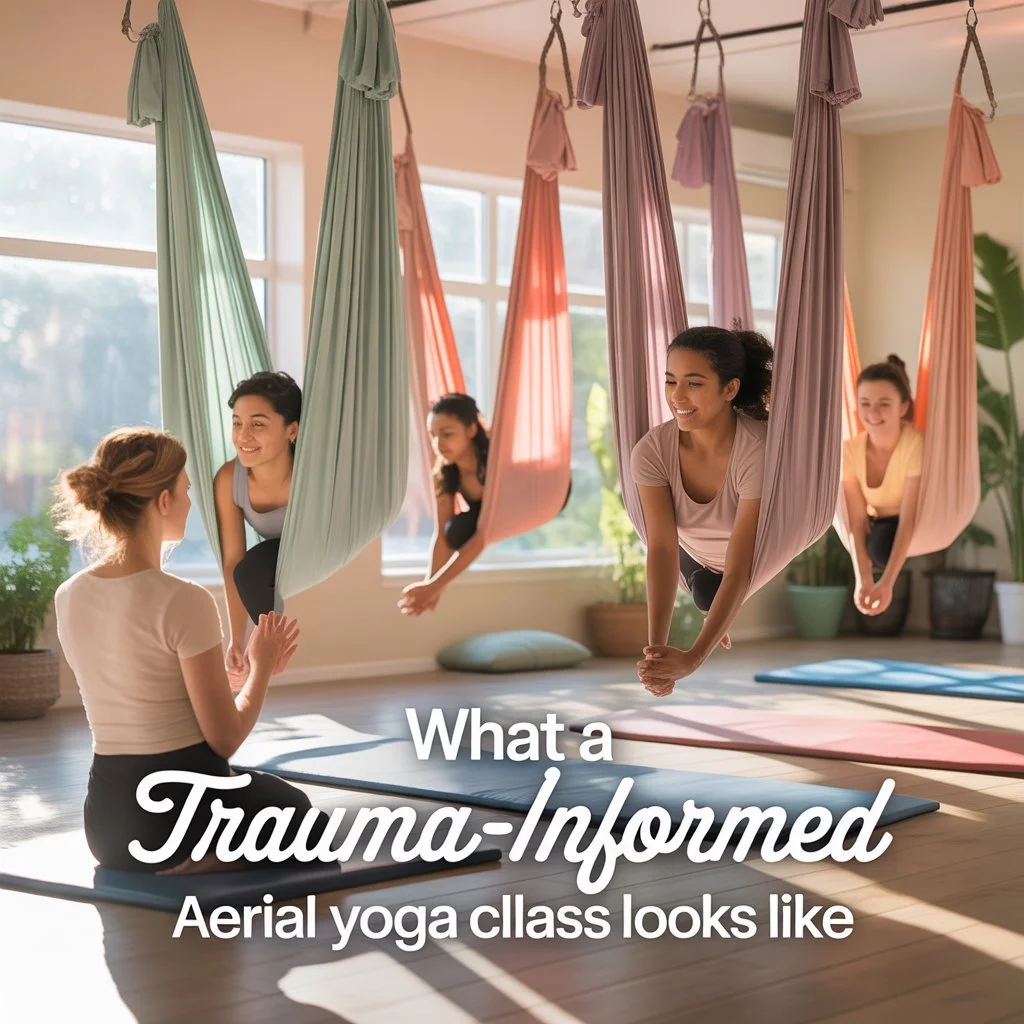
Jo described in practical detail what it looks like to build a class around genuine trauma-informed principles. The difference between a class that says it is trauma-informed and one that actually is shows up in the details.
Small group sizes Jo keeps her classes deliberately small. This is not just a practical decision. It is a values decision. Smaller groups mean more individual attention, lower sensory overwhelm, less social anxiety, and a greater ability for the teacher to notice and respond to what each person needs.
Check-ins
Classes begin with a check-in. Not a performative one but a genuine one. How are you arriving today? What does your body need? What do you want to leave at the door? This sets the tone that the session is organized around the participants rather than around a preset curriculum.
Multiple versions of every pose
Every single pose in Jo's classes comes with multiple versions. Not a modified version that signals you are doing the lesser option, but genuinely different expressions of the same movement that meet different bodies and nervous systems at different points.
No framing as progression Nothing is presented as the goal you are working toward. There is no hierarchy of poses where the full version is the real version and everything else is a step along the way. Each version is complete in itself. This removes the performance dynamic entirely.
Rest is always an option At any point in the class, rest is not just allowed but explicitly offered as a valid choice. This matters profoundly for people whose previous wellness experiences have communicated, implicitly or explicitly, that stopping is failure.
The Three Level Pose Principle
Jo gave a specific example in the episode that is worth pulling out because it illustrates her approach so clearly.
She described teaching an aerial down dog, a pose that in a typical yoga class requires being fully on the ground on hands and knees. In her class, this single pose has three completely distinct expressions:
Level one: Fully grounded. Hands and feet on the floor with the hammock providing gentle support across the hips. No height, no inversion, complete contact with the ground.
Level two: Partially elevated. The hammock supports more of the body weight, creating a gentle traction through the spine and a partial shift in orientation. Still accessible, still grounded in feel.
Level three: A supported inversion. The body tilts further, the head moves below the heart, the hammock holds the full weight. A genuine inversion experience with complete support.
All three happen in the same class, at the same time, with the same instruction. Nobody is singled out for being at level one. Nobody is praised for being at level three. All three are presented as full and complete expressions of the same pose.
That is inclusion done properly. Not as a policy statement but as a lived practice in the room.
Listen to the full episode with Jo Stewart on the On the Spectrum podcast here.

When Yoga Language Misses the Moment
Jo shared a story in the episode that stopped the conversation in its tracks. It is the kind of story that changes how you think about language in wellness spaces permanently.
She was going through a cancer crisis. In the middle of that, she attended a yoga class. The class was themed around bliss.
Bliss.
The entire session was built around cultivating a feeling that was completely inaccessible to her at that moment. Every instruction, every invitation, every carefully chosen word pointed toward a emotional state she could not reach and did not want to be pushed toward.
Rather than feeling held by the practice, she felt more alone in it.
That experience changed how Jo teaches. It made her deeply attentive to the gap between the language teachers use and the reality participants are living. Because people bring their whole lives into a yoga class. The grief, the fear, the diagnosis, the fight they had that morning, the relationship that is falling apart, the body that does not feel like theirs.
What she changed as a result:
Language that invites rather than instructs
Themes that are open enough for many emotional states to coexist within them
Releasing the assumption that every participant is arriving from a place of wellness seeking more wellness
Making space for the full range of human experience rather than curating only the pleasant parts
This kind of attentiveness to language and emotional reality is something Sonia brings to her coaching work too. The words used around neurodivergent individuals, around their struggles, their strengths, and their experiences, shape how they see themselves in profound ways.
Book a self-esteem coaching session with Sonia here and experience what it feels like to be met exactly where you are.
Consent, Choice and Why Rest Is Always Allowed
The through-line of Jo's entire teaching philosophy is consent.
In a world where many neurodivergent people have spent years being told what their bodies should do, how they should move, what sensory experiences are appropriate and which are not, a practice built entirely on choice is genuinely countercultural.
In Jo's classes:
Nothing is framed as something you should be working toward
Every sensation is offered as an option not an expectation
Participants are encouraged to notice their own responses and honor them
Leaving a pose early is not dropping out, it is listening
Resting is not giving up, it is participating
This matters beyond yoga. It is a model for how neurodivergent individuals deserve to be treated in every space they inhabit. With their own agency intact. With their own nervous system responses treated as valid information rather than inconvenient behavior to be managed.
Access, Mental Health and the Wellness Space Problem
Jo did not sidestep the access question and it is worth addressing directly because it sits behind a lot of conversations about wellness.
Many of the people who would benefit most from practices like trauma-informed aerial yoga are the least likely to be able to access them. Cost, location, physical accessibility, sensory environment, and the cultural makeup of most wellness spaces all create barriers that disproportionately affect the people these practices could help most.
Jo's response to this is not a simple one because there are no simple answers. But her commitment is visible in the choices she makes:
Small group sizes that allow genuine individual attention
A teaching approach that does not require participants to have prior yoga experience
Language and framing that does not assume a particular body type, background, or level of physical ability
A genuine engagement with who is and is not in the room and why
Mental health is health. Movement is healthcare. And the wellness industry has a long way to go before it is genuinely accessible to everyone who needs it.
Yoga's South Asian Roots and Why Acknowledgment Matters
Jo raised the topic of cultural appropriation and yoga's origins in a way that was thoughtful and direct.
Yoga comes from South Asia. It has a history, a philosophy, an ethical framework, and a spiritual context that extends thousands of years before it became a fitness class in Western studios. Acknowledging that history is not performative. It is accurate. And it matters because the communities whose practice this originally was deserve recognition rather than erasure.
Jo was clear that aerial yoga is an adaptation and evolution of yoga tradition rather than a direct continuation of it. She holds that honestly. And she connects her teaching to the broader philosophical framework of yoga, including the eight limbs of yoga practice referenced in her book title, as a way of honoring rather than erasing those roots.
For anyone practicing or teaching yoga in a Western context, this is a conversation worth having openly rather than avoiding.
About Jo's Book and Where to Find Her
Jo's book, Eight Limbs of Aerial Yoga: Neurodiversity, is available through her website and on Amazon:
The book connects aerial yoga practice to the traditional eight limbs of yoga philosophy through the specific lens of neurodiversity. It is both a practical guide and a philosophical framework for teachers and practitioners who want to bring genuine inclusivity into their movement spaces.
Final Thoughts
Feeling safe in your body is not a small thing. For many neurodivergent people and trauma survivors, it is something that has never quite been available. The world is loud, the sensory demands are relentless, and most wellness spaces were not designed with their nervous systems in mind.
What Jo Stewart has built in her aerial yoga practice is a different kind of invitation. One that says: come as you are. Your nervous system is not a problem to manage. Rest is always allowed. And there is a version of this practice that meets you exactly where you are today.
That is not just good yoga teaching. It is a model for what inclusive, person-first support looks like in practice.
If this conversation opened something up for you, listen to the full episode with Jo Stewart on the On the Spectrum podcast here. It is one of those conversations that stays with you long after it ends.
Marilyn Raichle on Love, Loss and Showing Up
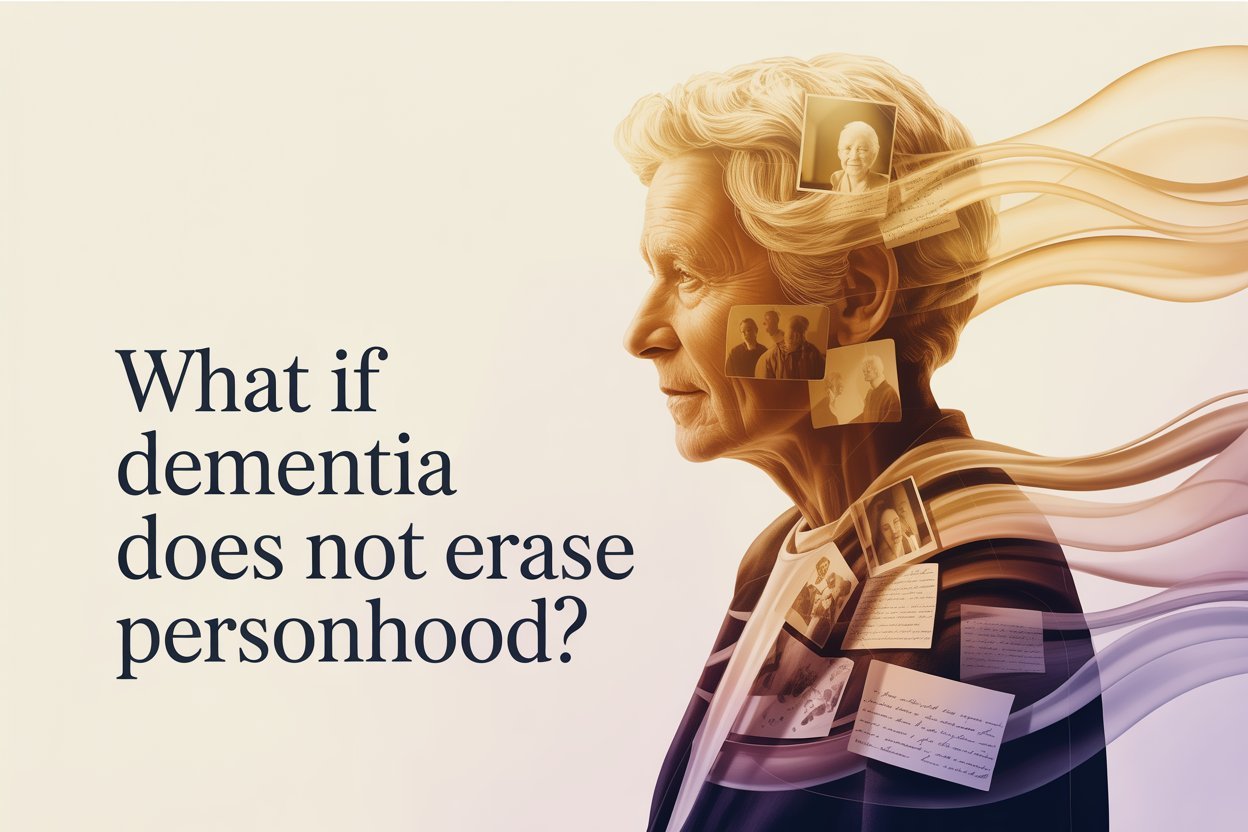
Most people think of dementia as a door slamming shut.
A diagnosis arrives. The person you knew begins to fade. You grieve them while they are still sitting across the table from you. And somewhere along the way, without anyone saying it out loud, you start relating to them as someone who is already gone.
Marilyn Raichle wants to change that.
Marilyn is the author of Don't Walk Away: A Care Partner's Journey, a book built from daily moments of caring for her mother through dementia and illustrated by her mother's own remarkable paintings. She joined Sonia on the On the Spectrum podcast for one of the most quietly powerful conversations the show has ever hosted.
This post pulls together the key insights, practical wisdom, and unexpected moments from that conversation. If you are supporting an aging parent, navigating Alzheimer's caregiving, or trying to figure out how to show up for someone living with memory loss, this one is for you.
Listen to the full episode with Marilyn Raichle on the On the Spectrum podcast here.
Table of Contents
Dementia as a Door Opening, Not Slamming Shut
Living With Dementia vs Suffering From It
Why Person-First Language Is More Than Politeness
The Unexpected Gift of Assisted Living
Touch, Friendship and What Memory Cannot Erase
The Painting Class That Changed Everything
How Art Disarms the Fear Around Dementia
Caregiver Burnout and Operating Without a Net
The System Problem Nobody Wants to Talk About
About Don't Walk Away
Final Thoughts
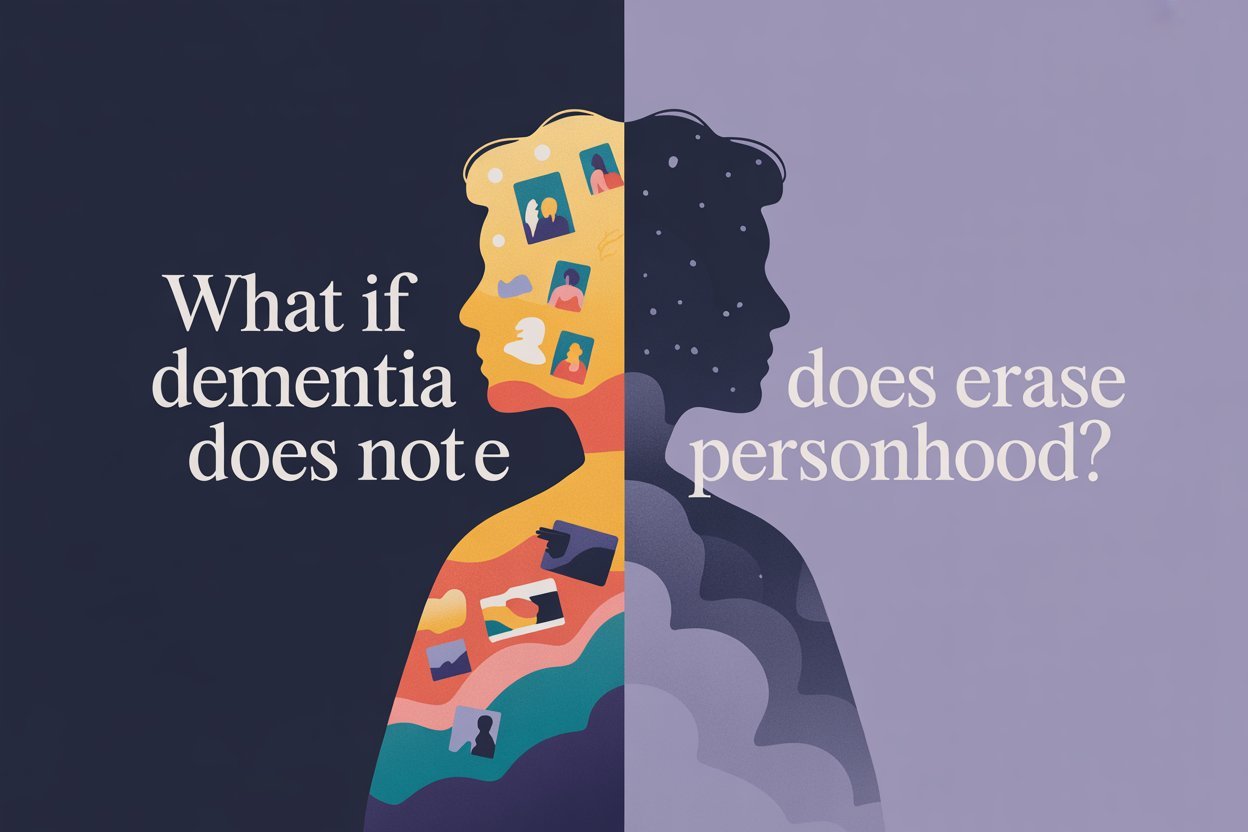
Dementia as a Door Opening, Not Slamming Shut
The framing Marilyn brought to this conversation from the very beginning is worth sitting with before anything else.
Most caregiving conversations start from a place of loss. What the person used to be able to do. Who they used to be. What has been taken away. And while grief is real and valid and necessary, that framing has a cost. It keeps caregivers focused on the gap between who someone was and who they are now. And that gap becomes impossible to bridge.
Marilyn's reframe is this: what if instead of chasing who someone used to be, you started meeting who they are right now?
That single shift changes everything about the caregiving relationship. It moves you from grief mode into presence mode. From trying to recover something lost to actually connecting with the person in front of you.
It is not a denial of what dementia takes. It is a refusal to let dementia take everything.
What this looks like in practice:
Stopping the correction of memory errors and entering the person's current reality instead
Finding joy in who the person is today rather than mourning who they were yesterday
Paying attention to what still lights them up, what still connects, what still matters
Treating every interaction as an opportunity for genuine connection rather than a reminder of decline
Living With Dementia vs Suffering From It
This distinction sounds small. It is not.
The language we use around dementia shapes how we treat people who have it, how they feel about themselves, and how caregivers relate to them day to day.
Suffering from dementia positions the person as a passive victim of something that is happening to them. It centers the disease. It communicates, without anyone intending it, that the person's life is defined primarily by what they have lost.
Living with dementia is different. It acknowledges the challenge while preserving the personhood. It says: this is part of your life now, and your life is still happening, still mattering, still worth fully inhabiting.
Marilyn talked about the practical difference this makes in caregiving:
When you see someone as suffering, you manage them
When you see someone as living, you accompany them
Management creates distance. Accompaniment creates connection
This is not just a philosophical preference. Research consistently supports the idea that person-centered care, care that treats the individual as a full human being with preferences, history, and ongoing personhood, produces better outcomes for people living with dementia. Less agitation. More engagement. Better quality of life.
The language is where it starts.
Why Person-First Language Is More Than Politeness
Connected to the living with vs suffering from distinction is the broader question of person-first language, and why it matters more than people often realize.
Person-first language puts the human being before the diagnosis. A person living with Alzheimer's rather than an Alzheimer's patient. A care partner rather than a caregiver.
That last one is worth pausing on. Marilyn uses the term care partner deliberately throughout her book and her conversation with Sonia. Here is why it matters:
Caregiver suggests a one-way relationship. One person gives. The other receives. The person with dementia is positioned as passive, dependent, diminished.
Care partner suggests something mutual. It acknowledges that the relationship goes both ways. That the person living with dementia is still contributing something, still present in the relationship, still a participant in their own life.
That shift in language is not just about being respectful. It actively changes how caregivers show up. When you see yourself as someone's partner rather than their caregiver, you start looking for what they can still do rather than cataloguing what they cannot. You start noticing their contributions rather than only their deficits.
And that changes everything about the quality of care they receive.
Listen to the full episode with Marilyn Raichle on the On the Spectrum podcast here.
The Unexpected Gift of Assisted Living
Marilyn was honest that the decision to move her mother into assisted living was not easy. It carried all the guilt and grief that most families feel in that moment, the sense of having failed somehow, of not being enough.
What she did not expect was what the move gave her mother.
Community.
In the memory care unit, her mother found people. Peers who were navigating the same disorientation. Staff who knew her name and her history and her preferences. A structured environment that actually reduced her anxiety rather than amplifying it.
The assumption many families make is that staying home is always the more loving choice. Marilyn's experience complicates that assumption in the most hopeful way possible.
What assisted living gave her mother:
Consistent human contact throughout the day rather than depending on family visits
Peer relationships with others in similar circumstances
Staff trained specifically in dementia care
A predictable routine that helped reduce confusion and agitation
Access to programming, activities, and creative outlets she would not have had at home
What it gave Marilyn:
The ability to show up as a daughter again rather than only as a caregiver
Relief from the relentless logistics of full-time caregiving
Space to grieve and process without the immediacy of daily crisis
The capacity to be more present during visits because she was not completely depleted
This is a story worth telling because so many families carry unnecessary guilt about assisted living decisions. Sometimes the most loving thing is the thing that looks, from the outside, like giving up. It is not.
Touch, Friendship and What Memory Cannot Erase
One of the most moving threads in the conversation was what Marilyn observed about her mother's capacity for connection even as her memory declined.
The assumption many people make about dementia is that as memory goes, so does everything else. The ability to connect. To enjoy company. To feel warmth and friendship and the pleasure of human presence.
Marilyn's experience told a different story entirely.
What her mother retained even as her memory changed:
The ability to feel genuine warmth and pleasure in the company of others
Responsiveness to touch, a held hand, a gentle hug, a familiar presence
The capacity for friendship, for enjoying people, for being part of a community
Emotional memory, even when episodic memory had gone
This is supported by research. Emotional memory, the felt sense of whether a person or place or experience feels safe and good, often persists long after factual memory has faded. A person with Alzheimer's may not remember your name or your last visit. But they remember, in their body and their emotional system, whether you are someone who makes them feel safe.
That is not nothing. That is everything.
It means every visit matters even if it will not be remembered. Every moment of genuine connection is real even if it does not persist in the way we are used to. Presence is not wasted just because it will not be recalled.
The relationship continues. It just continues differently.
This kind of emotional complexity, holding grief and love and connection all at once, is something Sonia works with in her coaching practice with individuals navigating identity, loss, and relationship challenges.
The Painting Class That Changed Everything
This is the moment in the episode that nobody saw coming.
Marilyn's mother, in memory care, was enrolled in a painting class.
She had never painted before. There was no particular reason to think this would be significant. It was an activity. Something to do.
What happened instead was a revelation.
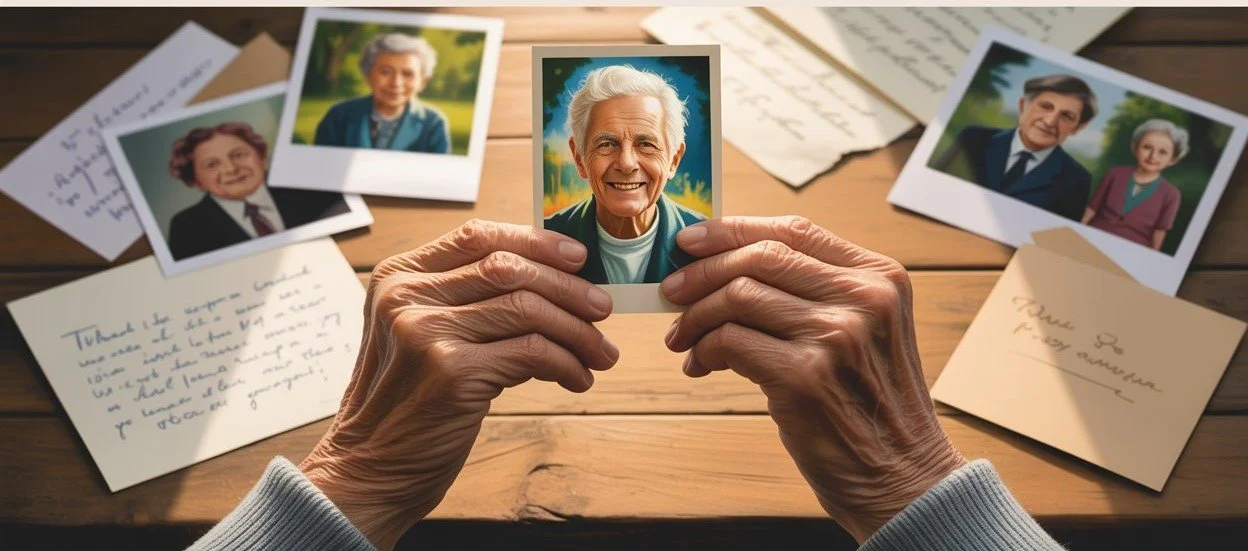
Her mother discovered a creative capacity that had been sitting dormant her entire life, hidden behind fear, behind the belief that she was not an artist, behind all the reasons people give themselves for not trying things. Dementia, in a strange and unexpected way, had lowered those barriers. The self-consciousness that might have stopped her before was gone. The fear of doing it wrong was gone. What was left was pure engagement with color and shape and the pleasure of making something.
The paintings her mother created are remarkable enough that they illustrate Marilyn's book. They are not the work of someone diminished. They are the work of someone who found something new in an unexpected season of life.
What this teaches caregivers:
Creative activities are not just time-fillers. They are genuine pathways to engagement and joy
Dementia removes some barriers along with the things it takes
The person in front of you may still have capacities that have never been explored
Art, music, movement, and creative expression reach parts of the brain that verbal communication does not
Listen to the full episode with Marilyn Raichle on the On the Spectrum podcast here.
How Art Disarms the Fear Around Dementia
Marilyn made an observation in the episode that is worth highlighting on its own because it is genuinely useful for anyone trying to talk about dementia in public or community settings.
Alzheimer's is scary. Art is not.
When people encounter dementia through clinical language, through statistics, through medical frameworks, the fear response activates. People shut down. They change the subject. They do not want to engage because the whole topic feels overwhelming and sad and too close to things they are afraid of in their own futures.
But when people encounter dementia through art, through a painting made by someone living with Alzheimer's, the response is completely different.
Curiosity opens up. Wonder opens up. The human story becomes visible in a way that statistics cannot produce. And from that place of curiosity and wonder, real conversations can happen. Real understanding can grow.
Marilyn has used her mother's paintings in exactly this way, as a bridge between the world of dementia caregiving and people who would otherwise never engage with the topic. The art opens the door. The conversation follows.
Practical application for caregivers and advocates:
Look for creative ways to share the experience of dementia care that bypass fear
Use stories, images, and art rather than statistics when trying to build understanding
Remember that curiosity is always more useful than pity when it comes to building genuine community around caregiving
Caregiver Burnout and Operating Without a Net
Marilyn did not shy away from the hardest part of caregiving: the toll it takes on the person doing the caring.
Most family caregivers in the United States are operating without a safety net. No formal training. No structured respite. No clear guidelines on when they have done enough or what to do when they have nothing left. They are making it up as they go, driven by love and obligation and the absence of any other option.
The result is a caregiving population that is quietly burning out at scale.
Signs of caregiver burnout to watch for:
Chronic exhaustion that does not improve with rest
Emotional numbness or detachment from the person you are caring for
Resentment, guilt about the resentment, and then more guilt
Neglecting your own health, relationships, and basic needs
Feeling like you have completely disappeared into the caregiving role
Physical health declining alongside mental health
Marilyn was clear that caregiver health is not a luxury or a selfish concern. It is a prerequisite for sustainable care. You cannot care well for someone else when you are running on empty. The airplane oxygen mask instruction exists for a reason.
What actually helps:
Accepting help when it is offered rather than insisting you are managing
Building respite into the caregiving plan before you need it desperately
Finding community with other caregivers who understand the experience
Working with a therapist or coach who can help you process the emotional weight
Being honest with your medical provider about what caregiving is doing to your own health
The emotional complexity of caregiving, the grief, the love, the guilt, the exhaustion, and the unexpected moments of beauty, is something that deserves real, skilled support. Sonia's coaching work is built for exactly that kind of complexity.
Book a socio-emotional coaching session with Sonia here and get the support that makes sustainable caregiving possible.
The System Problem Nobody Wants to Talk About
Marilyn did not leave the systemic issues unaddressed. Because while individual caregiving wisdom matters enormously, there is a larger problem sitting behind all of it.
Quality dementia care is expensive. Prohibitively so for most families.
Memory care units, when they provide genuinely good care, require trained staff, thoughtful programming, appropriate ratios of caregivers to residents, and physical environments designed for people living with dementia. All of that costs money. And most families cannot afford it without burning through savings that were meant for something else entirely.
The result is a two-tier system. Families with resources access good care. Families without resources make do with whatever is available, which is often not enough.
What needs to change at the system level:
Meaningful investment in dementia care infrastructure and staffing
Insurance coverage that actually reflects the cost of quality memory care
Support for family caregivers including paid leave, respite care, and training
Public education about dementia that reduces stigma and increases early intervention
Recognition that the caregiving workforce is chronically underpaid and undervalued
These are not small asks. But they are the right asks. And the more caregiving families speak about the reality of the cost and the gap between what exists and what is needed, the more pressure builds for change.
About Don't Walk Away
Marilyn's book, Don't Walk Away: A Care Partner's Journey, is unlike most dementia caregiving books.
It is built from daily moments. The small, specific, human experiences of showing up for her mother through every stage of the journey. It does not offer a clinical framework or a step-by-step program. It offers something rarer: an honest account of what it actually feels like from the inside.
And it is illustrated by her mother's paintings.
That choice is deliberate and powerful. The paintings are proof of personhood. They are evidence that something remarkable was still alive and growing in her mother even as dementia changed everything else. They are the visual argument for everything the book argues in words.
The book is available on Amazon and Barnes and Noble:
You can also find more information about Marilyn and her work atdontwalkaway.net
Final Thoughts
Marilyn Raichle's family had a rule. Walk away.
She stayed.
And what she found on the other side of staying was not what she expected. It was not only grief and exhaustion and sacrifice, though there was plenty of all of that. It was also connection. Unexpected beauty. A mother who found painting in her eighties. A community that formed in a memory care unit. A relationship that continued, differently but genuinely, right up until the end.
Dementia does not erase personhood. It changes the language personhood speaks in. And caregivers who learn to listen in that new language find that there is still so much worth hearing.
If this conversation touched something in you, whether you are in the middle of a caregiving journey or watching someone you love navigate one from a distance, [listen to the full episode with Marilyn Raichle on the On the Spectrum podcast here.] It is the kind of conversation that changes how you see things.
Listen to the full episode with Marilyn Raichle on the On the Spectrum podcast here.
Kelly Tuttle's Guide to Brain Injury Recovery
Some stories do not start with a plan. They start with a thunderous clap of metal, shattering glass, and traffic stopping on a rural road.
That is exactly where Kelly Tuttle's story begins. A cardiology nurse practitioner, a mother, a high performer who kept every plate spinning, Kelly was driving home from work to get to karate class when another driver pulled out in front of her. She T-boned the car. And in the seconds that followed, everything about her life began to quietly shift in ways she would not fully understand for months.
Kelly joined Sonia on the On the Spectrum podcast to talk about what happened next. Not just the medical side, though there is plenty of that, but the emotional reckoning, the identity shift, the tools she built from scratch, and the unexpected gifts that came from one of the hardest seasons of her life.
This post walks through the key moments and lessons from that conversation. If you want to hear it in full, and it is absolutely worth your time, [listen to the full episode of On the Spectrum with Sonia here.]
Table of Contents
The Crash and the Push to Keep Going
When the Brain Scan Comes Back Normal But You Are Not
The Specialists Nobody Told Her About
Neurofatigue and the Energy Budget
The Journal Exercise That Changed Everything
The Tools She Built to Get Through the Workday
Writing the Book and Finding the Next Chapter
What Kelly Wants Every Caregiver to Know
Brain Injury Is Not an Acute Event
What This Conversation Teaches Us About Worth and Identity
Final Thoughts
The Crash and the Push to Keep Going
The day of the accident, Kelly thought she could shake it off. She went to work the very next day. Her colleagues noticed immediately that something was wrong. Her speech was off. Her responses were slower than usual.
They pushed her to see a doctor. She was diagnosed with a concussion and taken off work for two weeks.
Two weeks, she thought. Then back to normal.
It did not go that way.
About two to three months into recovery, Kelly fell asleep at the wheel. She woke up just before her car hit a tree. And in a telling sign of how much the concussion had affected her judgment, her solution was to start taking naps on the side of the road between work and home.
It took a neurology nurse practitioner colleague who asked the right questions over lunch to stop her. That colleague said clearly: this is not okay, and you need to see a physiatrist right away.
That one conversation changed the course of everything.
What to take from this:
Concussion symptoms are not always obvious immediately after the accident
The drive to return to normal can actively slow recovery
The right person asking the right question at the right time can save you
When the Brain Scan Comes Back Normal But You Are Not
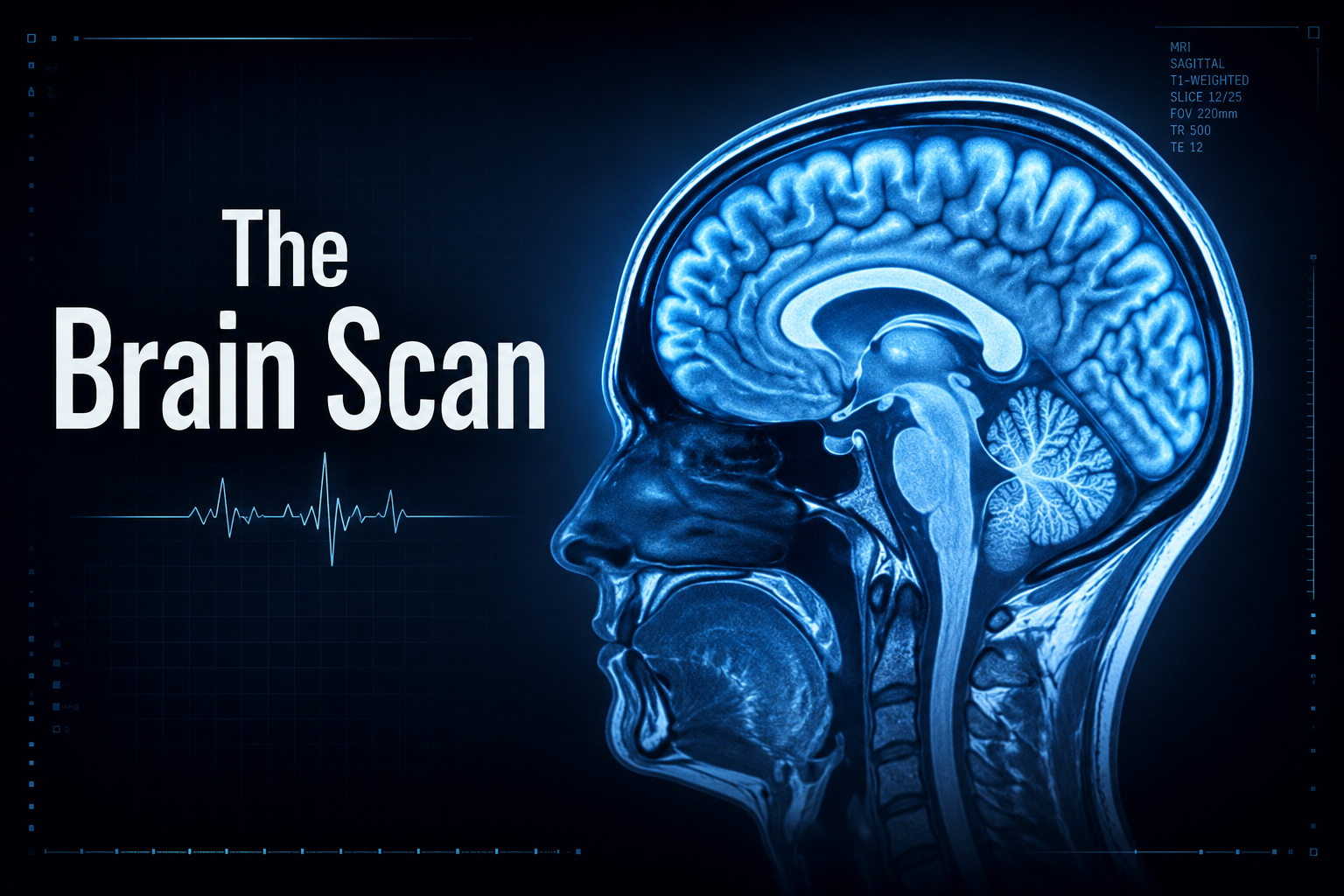
Kelly eventually got a brain scan. The result came back normal.
This confused her. She was not functioning normally. How could the scan show nothing?
Here is what she learned and what anyone recovering from a head injury needs to know:
Standard brain CTs and MRIs are designed to find large structural problems like skull fractures, bleeds, and tumors
They are not designed to show how individual neurons are actually functioning
Concussion symptoms come from how neurons function, not from visible structural damage
A normal brain scan does not mean symptoms are not real or impactful
As Kelly said in the episode, being told your scan is normal and being sent on your way is one of the most disorienting experiences of concussion recovery. You look fine. The scan looks fine. But you are very far from fine.
If this resonates with where you or someone you love is right now, the full episode with Kelly on the On the Spectrum podcast is essential listening. She speaks to this experience with a clarity that is hard to find anywhere else.
The Specialists Nobody Told Her About
Once she was off work and able to focus entirely on recovery, Kelly started finding the specialists who genuinely moved the needle. Almost none of them were covered by standard healthcare insurance.
1. A Behavioral Neurologist
This specialist, based in Detroit, worked primarily with hockey players and football players recovering from brain injuries. He was able to perform a functional MRI, which is more detailed and intensive than a standard MRI and can show changes in how the brain is actually working rather than just what it looks like structurally.
The functional MRI showed changes that the standard scan had completely missed.
2. A Behavioral Optometrist
This is different from a regular eye exam. A behavioral optometrist assesses how the eyes work together and how the brain processes visual information.
Kelly was diagnosed with binocular vision dysfunction, a slight misalignment in her vision. She had been unconsciously compensating by tilting her head to the right. She could not walk without stumbling or watching the ground constantly.
Once she got the right corrective glasses, here is what changed:
Her light sensitivity improved significantly
Her neurofatigue decreased
Her screen tolerance increased
Her focus and attention came back in meaningful ways
She was able to walk more steadily
3. Sound Sensitivity Specialists
Kelly was also screened for sound sensitivity and fitted with noise counseling technology, an external filter that supported her brain while it was healing and did not have the energy to maintain its own internal filters. The result was more energy, less irritability, better focus, and more stable daily functioning.
Both the behavioral neurologist and the behavioral optometrist were in Detroit. Kelly was in Sacramento. She traveled out of state and paid out of pocket for both.
The lesson: the specialists who make the biggest difference are often the ones the standard system does not point you toward. Persistence and willingness to look outside conventional pathways matters enormously in brain injury recovery.
Neurofatigue and the Energy Budget
This is one of the most important concepts Kelly introduced in the conversation, and one of the most misunderstood aspects of brain injury recovery.
What neurofatigue is:
Fatigue that is triggered by minimal activity
Fatigue that is not resolved by rest or sleep
Different in kind, not just degree, from regular tiredness
Kelly used an image that makes it immediately real: imagine waking up after a full night of sleep and finding your internal battery charged to only 25 percent. That is your entire budget for the day. Every task, every conversation, every decision spends from that budget. Once it is gone, it is gone.
What Kelly's daily life looked like during the worst of it:
Get up and use every compensatory tool available to get to work
Use her lunch break, previously spent with colleagues, entirely for napping
Get through the afternoon
Drive home and sleep for two hours
Wake up for one hour to prepare for the next day
Go back to sleep
Repeat five days a week
Sleep 12 to 14 hours on weekends, sometimes with an additional two-hour nap
Nobody at work saw this. They saw a colleague who appeared to be managing. What they did not see was that the moment she walked out of the building, she was done.
She missed years of her children growing up. She missed time with friends and family. She made those sacrifices quietly because her income and her family's health insurance depended on her staying employed.
This is the reality of brain injury that almost nobody talks about publicly. It is one of the central reasons Kelly felt compelled to share her story.
The Journal Exercise That Changed Everything
About a year into her recovery, Kelly sat outside with her journal and did something that shifted everything.
She drew a line down the middle of the page.
On the left side, she wrote who she was before the accident:
Driven and goal-oriented
Planning to go to law school
Constantly traveling
Always out of the house
Actively volunteering in her community
On the right side, she wrote what she had gained from the experience:
A slower, more intentional pace of life
Greater empathy and compassion
Deeper understanding of others
A more grounded sense of what actually mattered
The ability to be still
When she looked at both sides, her response surprised her. She liked the person she was becoming.
That exercise became her north star. Not about letting go of who she was before, but about taking the old Kelly forward into the new chapter and letting her values, not her productivity, guide what came next.
As Sonia reflected in the conversation, this is something she sees in her own therapeutic work, the way self-worth becomes untethered from productivity when the external markers fall away, and how that can actually be the beginning of a more grounded identity. If questions of identity, self-worth, and what it means to be enough resonate with you, the autism awareness vs autism acceptance post explores similar themes around identity and how the world measures human value.
The Tools She Built to Get Through the Workday
Kelly could not find a single resource that brought together the practical tools for returning to work after a brain injury. So she built her own, painstakingly, over years of trial and error.
Here is what made the biggest difference for her:
Managing sensory input:
Noise counseling headphones to filter sound at work
Dark glasses to reduce the impact of fluorescent lighting, which exacerbates migraines and sensory overload
Managing speech difficulties:
Writing down words she struggled to say before conversations
Practicing difficult words out loud at her desk before using them with others
Using a visual reference during conversations to help her brain retrieve the word
Slowing down her speech deliberately to avoid blending or slurring words
Using humor to deflect in moments when a word would not come, without drawing attention to the difficulty
Managing energy:
Taking naps on lunch breaks instead of socializing or running errands
Protecting all breaks as genuine rest, no phone, no social media, no screens
Minimizing decision making wherever possible to preserve cognitive energy for essential tasks
Managing the workday structure:
Working from home when possible, which made a significant difference to both productivity and energy management
Focusing only on work while at work and doing nothing else during that time
These tools formed the foundation of her award-winning book, which was written specifically to give other people the roadmap she had to build herself from scratch.
Writing the Book and Finding the Next Chapter
Five years after the accident, Kelly's headaches had finally resolved. For the first time since the crash, she had enough cognitive capacity to write.
Her book was a deliberate choice. She did not want to write a memoir about what happened to her. She wanted to write a practical resource, organized around five pillars of recovery, that gave other people the strategies and tools she had spent years figuring out on her own.
The book covers:
Practical tools and compensatory strategies for returning to work
Information on FMLA and the Americans with Disabilities Act
Guidance on when to hire a lawyer or use a union for workplace accommodations
Financial planning for the possibility of early retirement
She also recorded it for Audible because after her concussion she could not read for more than five to ten minutes without fatigue, headaches, and losing track of what she had just read. Audiobooks were her primary learning tool for three years, and she wanted her resource to be accessible in the same way.
From there came TikTok videos, then a YouTube channel, then Substack, and finally her podcast, The Mindful Return from Brain Injury Back to Work, launched to celebrate the third anniversary of the book's publication.
Her mission across all of it is the same: make sure no one who is struggling with brain injury recovery has to feel alone or without direction.
You can find Kelly at kellytuttle.com and listen to her podcast, The Mindful Return, wherever you get your podcasts.
What Kelly Wants Every Caregiver to Know
This section of the conversation was one of the most powerful. Kelly spoke directly to the people supporting someone with a brain injury, from the perspective of someone who later became a neurology nurse practitioner and saw the caregiver experience up close.
When your loved one says something hurtful or acts out:
It is not them. It is their brain signaling that it has had too much
Behavioral changes are a sign of overload, not intention
Do not take it personally. Take it as information that they need rest or a change in environment
What caregivers most need to hear:
Your loved one loves you
They do not want to hurt you
Their brain is simply telling you it has reached its limit
Kelly extended this compassion outward too. She shared that since her recovery, she no longer quickly judges strangers who seem angry, erratic, or difficult in public. A driver being aggressive. Someone snapping in a store. Someone who seems unreasonable. Any of those people might be living with an invisible condition, a brain injury, a neurological condition, sensory overload, grief. The experience changed not just how she sees herself but how she sees the entire world.
For more on the topic of invisible conditions and how the way we perceive and respond to difference shapes lives, the post on how to find an autism specialist touches on similar themes around invisible disabilities and the assumptions people make.
Brain Injury Is Not an Acute Event
This is the message Kelly returned to throughout the conversation, and it is the one she most wants the medical community and the general public to absorb.
Brain injury is not something that happens and then resolves. For a significant percentage of people, it is a chronic condition that requires lifelong monitoring and support.
Key facts worth understanding:
Research has found neuroinflammation activity even 17 years after a brain injury
Once you have had a brain injury, your risk of mental health conditions increases
Brain injury can increase the risk of neurodegenerative diseases including dementia and Parkinson's
Brain health needs to be monitored throughout life, not just in the immediate aftermath of injury
Many of the things that are good for heart health are also good for brain health, and providers need to be having that conversation proactively
Kelly's own career change reflects how deeply this understanding changed her. Two years after the accident, she moved from cardiology to neurology and spent years working with patients living with Parkinson's, multiple sclerosis, epilepsy, and chronic headaches. She saw firsthand how much energy those patients expended simply to appear functional, and how invisible that effort was to the world around them.
What This Conversation Teaches Us About Worth and Identity
One of the threads running through the entire episode is something Sonia speaks to regularly in her work as a therapist: the way people, particularly high achievers, tie their sense of worth entirely to their productivity.
Kelly named it directly. She had been raised in a culture that told her value was defined by output. When the accident took away her capacity to produce at the level she always had, she was left with a question she had never had to ask before: am I enough if I am not doing?
The answer she arrived at, slowly and painfully, was yes.
As Sonia reflected in the conversation, self-worth that depends entirely on external markers, productivity, status, social activity, income, is always fragile. The European crystal metaphor she shared with Kelly captures it well: the facets of a crystal catch the light differently, but they do not create the core. The core was always there. It does not disappear when the facets change.
This theme of identity, self-worth, and what it means to be enough sits at the heart of a lot of the work done in coaching and therapy with neurodivergent individuals too. If this is something you find yourself thinking about, the post on online therapy for autism and whether it is as effective as in person explores how that kind of support works and what it can help with.
And if you are ready to do that work directly, coaching sessions with Sonia are available for individuals who want to build a more grounded, stable sense of self that does not depend on productivity or external validation.
Book a self-esteem coaching session with Sonia here and start building the foundation that does not move when life does.
Final Thoughts
Kelly Tuttle drove home from work one afternoon and T-boned a car on a rural road. What followed was five years of the hardest work of her life, not the dramatic visible kind, but the quiet, exhausting, invisible kind that almost nobody around her could see.
But more than any of that, she came out knowing something she did not know going in: that her worth was never in her productivity. That rest is not weakness. That uncertainty does not have to be the enemy. And that sometimes the crash is the beginning of the better story, not the end of the good one.
If Kelly's story spoke to something in you, whether you are recovering from a brain injury, supporting someone who is, or simply recognizing yourself in the way she describes the relentless push to keep going, [listen to the full episode on the On the Spectrum podcast here.] It is one of those conversations that stays with you.