
Marilyn Raichle on Love, Loss and Showing Up
Most people think of dementia as a door slamming shut.
A diagnosis arrives. The person you knew begins to fade. You grieve them while they are still sitting across the table from you. And somewhere along the way, without anyone saying it out loud, you start relating to them as someone who is already gone.
Marilyn Raichle wants to change that.
Marilyn is the author of Don't Walk Away: A Care Partner's Journey, a book built from daily moments of caring for her mother through dementia and illustrated by her mother's own remarkable paintings. She joined Sonia on the On the Spectrum podcast for one of the most quietly powerful conversations the show has ever hosted.
This post pulls together the key insights, practical wisdom, and unexpected moments from that conversation. If you are supporting an aging parent, navigating Alzheimer's caregiving, or trying to figure out how to show up for someone living with memory loss, this one is for you.
Listen to the full episode with Marilyn Raichle on the On the Spectrum podcast here.
Table of Contents
Dementia as a Door Opening, Not Slamming Shut
Living With Dementia vs Suffering From It
Why Person-First Language Is More Than Politeness
The Unexpected Gift of Assisted Living
Touch, Friendship and What Memory Cannot Erase
The Painting Class That Changed Everything
How Art Disarms the Fear Around Dementia
Caregiver Burnout and Operating Without a Net
The System Problem Nobody Wants to Talk About
About Don't Walk Away
Final Thoughts
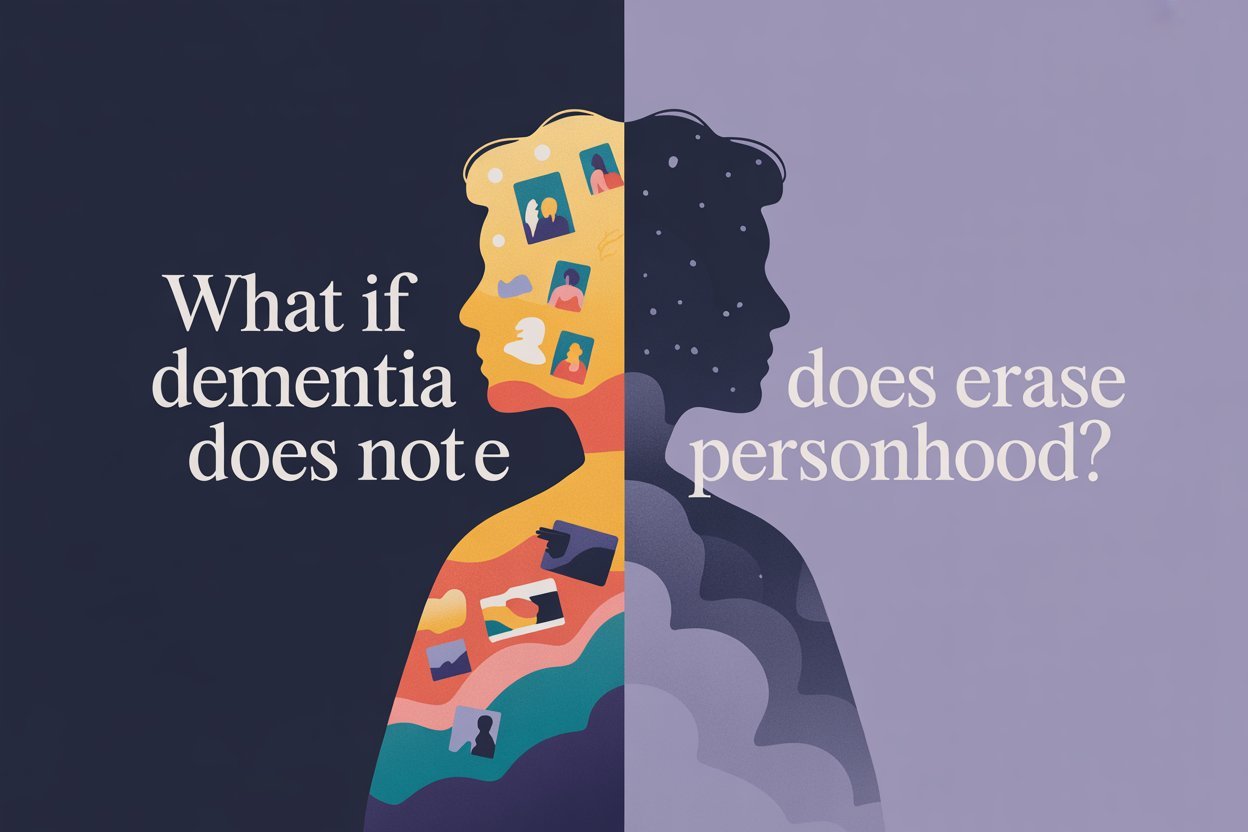
Dementia as a Door Opening, Not Slamming Shut
The framing Marilyn brought to this conversation from the very beginning is worth sitting with before anything else.
Most caregiving conversations start from a place of loss. What the person used to be able to do. Who they used to be. What has been taken away. And while grief is real and valid and necessary, that framing has a cost. It keeps caregivers focused on the gap between who someone was and who they are now. And that gap becomes impossible to bridge.
Marilyn's reframe is this: what if instead of chasing who someone used to be, you started meeting who they are right now?
That single shift changes everything about the caregiving relationship. It moves you from grief mode into presence mode. From trying to recover something lost to actually connecting with the person in front of you.
It is not a denial of what dementia takes. It is a refusal to let dementia take everything.
What this looks like in practice:
Stopping the correction of memory errors and entering the person's current reality instead
Finding joy in who the person is today rather than mourning who they were yesterday
Paying attention to what still lights them up, what still connects, what still matters
Treating every interaction as an opportunity for genuine connection rather than a reminder of decline
Living With Dementia vs Suffering From It
This distinction sounds small. It is not.
The language we use around dementia shapes how we treat people who have it, how they feel about themselves, and how caregivers relate to them day to day.
Suffering from dementia positions the person as a passive victim of something that is happening to them. It centers the disease. It communicates, without anyone intending it, that the person's life is defined primarily by what they have lost.
Living with dementia is different. It acknowledges the challenge while preserving the personhood. It says: this is part of your life now, and your life is still happening, still mattering, still worth fully inhabiting.
Marilyn talked about the practical difference this makes in caregiving:
When you see someone as suffering, you manage them
When you see someone as living, you accompany them
Management creates distance. Accompaniment creates connection
This is not just a philosophical preference. Research consistently supports the idea that person-centered care, care that treats the individual as a full human being with preferences, history, and ongoing personhood, produces better outcomes for people living with dementia. Less agitation. More engagement. Better quality of life.
The language is where it starts.
Why Person-First Language Is More Than Politeness
Connected to the living with vs suffering from distinction is the broader question of person-first language, and why it matters more than people often realize.
Person-first language puts the human being before the diagnosis. A person living with Alzheimer's rather than an Alzheimer's patient. A care partner rather than a caregiver.
That last one is worth pausing on. Marilyn uses the term care partner deliberately throughout her book and her conversation with Sonia. Here is why it matters:
Caregiver suggests a one-way relationship. One person gives. The other receives. The person with dementia is positioned as passive, dependent, diminished.
Care partner suggests something mutual. It acknowledges that the relationship goes both ways. That the person living with dementia is still contributing something, still present in the relationship, still a participant in their own life.
That shift in language is not just about being respectful. It actively changes how caregivers show up. When you see yourself as someone's partner rather than their caregiver, you start looking for what they can still do rather than cataloguing what they cannot. You start noticing their contributions rather than only their deficits.
And that changes everything about the quality of care they receive.
Listen to the full episode with Marilyn Raichle on the On the Spectrum podcast here.
The Unexpected Gift of Assisted Living
Marilyn was honest that the decision to move her mother into assisted living was not easy. It carried all the guilt and grief that most families feel in that moment, the sense of having failed somehow, of not being enough.
What she did not expect was what the move gave her mother.
Community.
In the memory care unit, her mother found people. Peers who were navigating the same disorientation. Staff who knew her name and her history and her preferences. A structured environment that actually reduced her anxiety rather than amplifying it.
The assumption many families make is that staying home is always the more loving choice. Marilyn's experience complicates that assumption in the most hopeful way possible.
What assisted living gave her mother:
Consistent human contact throughout the day rather than depending on family visits
Peer relationships with others in similar circumstances
Staff trained specifically in dementia care
A predictable routine that helped reduce confusion and agitation
Access to programming, activities, and creative outlets she would not have had at home
What it gave Marilyn:
The ability to show up as a daughter again rather than only as a caregiver
Relief from the relentless logistics of full-time caregiving
Space to grieve and process without the immediacy of daily crisis
The capacity to be more present during visits because she was not completely depleted
This is a story worth telling because so many families carry unnecessary guilt about assisted living decisions. Sometimes the most loving thing is the thing that looks, from the outside, like giving up. It is not.
Touch, Friendship and What Memory Cannot Erase
One of the most moving threads in the conversation was what Marilyn observed about her mother's capacity for connection even as her memory declined.
The assumption many people make about dementia is that as memory goes, so does everything else. The ability to connect. To enjoy company. To feel warmth and friendship and the pleasure of human presence.
Marilyn's experience told a different story entirely.
What her mother retained even as her memory changed:
The ability to feel genuine warmth and pleasure in the company of others
Responsiveness to touch, a held hand, a gentle hug, a familiar presence
The capacity for friendship, for enjoying people, for being part of a community
Emotional memory, even when episodic memory had gone
This is supported by research. Emotional memory, the felt sense of whether a person or place or experience feels safe and good, often persists long after factual memory has faded. A person with Alzheimer's may not remember your name or your last visit. But they remember, in their body and their emotional system, whether you are someone who makes them feel safe.
That is not nothing. That is everything.
It means every visit matters even if it will not be remembered. Every moment of genuine connection is real even if it does not persist in the way we are used to. Presence is not wasted just because it will not be recalled.
The relationship continues. It just continues differently.
This kind of emotional complexity, holding grief and love and connection all at once, is something Sonia works with in her coaching practice with individuals navigating identity, loss, and relationship challenges.
The Painting Class That Changed Everything
This is the moment in the episode that nobody saw coming.
Marilyn's mother, in memory care, was enrolled in a painting class.
She had never painted before. There was no particular reason to think this would be significant. It was an activity. Something to do.
What happened instead was a revelation.
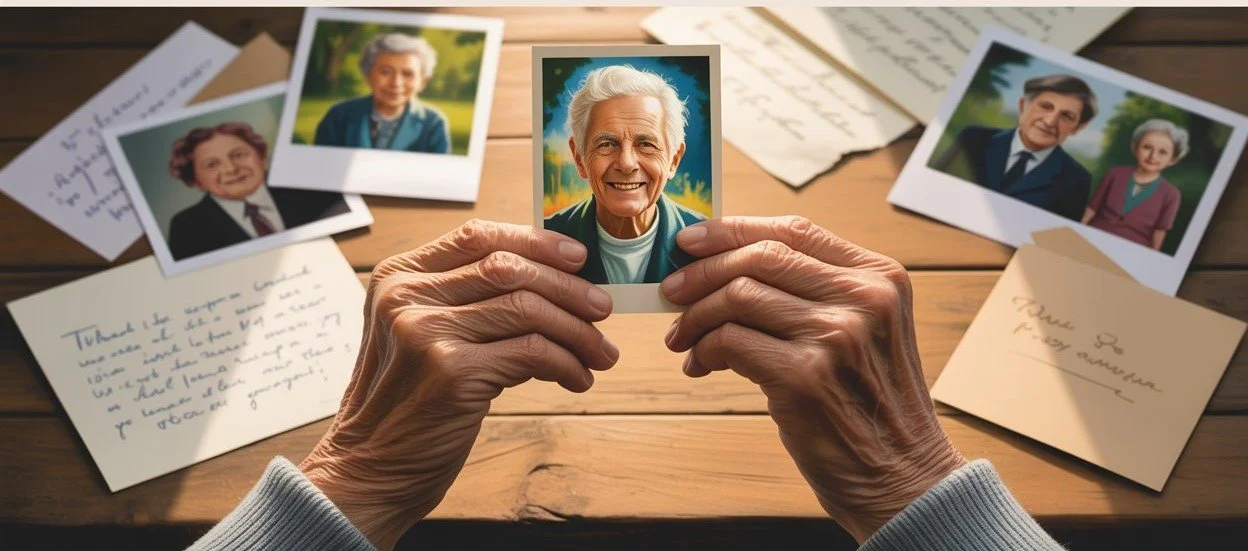
Her mother discovered a creative capacity that had been sitting dormant her entire life, hidden behind fear, behind the belief that she was not an artist, behind all the reasons people give themselves for not trying things. Dementia, in a strange and unexpected way, had lowered those barriers. The self-consciousness that might have stopped her before was gone. The fear of doing it wrong was gone. What was left was pure engagement with color and shape and the pleasure of making something.
The paintings her mother created are remarkable enough that they illustrate Marilyn's book. They are not the work of someone diminished. They are the work of someone who found something new in an unexpected season of life.
What this teaches caregivers:
Creative activities are not just time-fillers. They are genuine pathways to engagement and joy
Dementia removes some barriers along with the things it takes
The person in front of you may still have capacities that have never been explored
Art, music, movement, and creative expression reach parts of the brain that verbal communication does not
Listen to the full episode with Marilyn Raichle on the On the Spectrum podcast here.
How Art Disarms the Fear Around Dementia
Marilyn made an observation in the episode that is worth highlighting on its own because it is genuinely useful for anyone trying to talk about dementia in public or community settings.
Alzheimer's is scary. Art is not.
When people encounter dementia through clinical language, through statistics, through medical frameworks, the fear response activates. People shut down. They change the subject. They do not want to engage because the whole topic feels overwhelming and sad and too close to things they are afraid of in their own futures.
But when people encounter dementia through art, through a painting made by someone living with Alzheimer's, the response is completely different.
Curiosity opens up. Wonder opens up. The human story becomes visible in a way that statistics cannot produce. And from that place of curiosity and wonder, real conversations can happen. Real understanding can grow.
Marilyn has used her mother's paintings in exactly this way, as a bridge between the world of dementia caregiving and people who would otherwise never engage with the topic. The art opens the door. The conversation follows.
Practical application for caregivers and advocates:
Look for creative ways to share the experience of dementia care that bypass fear
Use stories, images, and art rather than statistics when trying to build understanding
Remember that curiosity is always more useful than pity when it comes to building genuine community around caregiving
Caregiver Burnout and Operating Without a Net
Marilyn did not shy away from the hardest part of caregiving: the toll it takes on the person doing the caring.
Most family caregivers in the United States are operating without a safety net. No formal training. No structured respite. No clear guidelines on when they have done enough or what to do when they have nothing left. They are making it up as they go, driven by love and obligation and the absence of any other option.
The result is a caregiving population that is quietly burning out at scale.
Signs of caregiver burnout to watch for:
Chronic exhaustion that does not improve with rest
Emotional numbness or detachment from the person you are caring for
Resentment, guilt about the resentment, and then more guilt
Neglecting your own health, relationships, and basic needs
Feeling like you have completely disappeared into the caregiving role
Physical health declining alongside mental health
Marilyn was clear that caregiver health is not a luxury or a selfish concern. It is a prerequisite for sustainable care. You cannot care well for someone else when you are running on empty. The airplane oxygen mask instruction exists for a reason.
What actually helps:
Accepting help when it is offered rather than insisting you are managing
Building respite into the caregiving plan before you need it desperately
Finding community with other caregivers who understand the experience
Working with a therapist or coach who can help you process the emotional weight
Being honest with your medical provider about what caregiving is doing to your own health
The emotional complexity of caregiving, the grief, the love, the guilt, the exhaustion, and the unexpected moments of beauty, is something that deserves real, skilled support. Sonia's coaching work is built for exactly that kind of complexity.
Book a socio-emotional coaching session with Sonia here and get the support that makes sustainable caregiving possible.
The System Problem Nobody Wants to Talk About
Marilyn did not leave the systemic issues unaddressed. Because while individual caregiving wisdom matters enormously, there is a larger problem sitting behind all of it.
Quality dementia care is expensive. Prohibitively so for most families.
Memory care units, when they provide genuinely good care, require trained staff, thoughtful programming, appropriate ratios of caregivers to residents, and physical environments designed for people living with dementia. All of that costs money. And most families cannot afford it without burning through savings that were meant for something else entirely.
The result is a two-tier system. Families with resources access good care. Families without resources make do with whatever is available, which is often not enough.
What needs to change at the system level:
Meaningful investment in dementia care infrastructure and staffing
Insurance coverage that actually reflects the cost of quality memory care
Support for family caregivers including paid leave, respite care, and training
Public education about dementia that reduces stigma and increases early intervention
Recognition that the caregiving workforce is chronically underpaid and undervalued
These are not small asks. But they are the right asks. And the more caregiving families speak about the reality of the cost and the gap between what exists and what is needed, the more pressure builds for change.
About Don't Walk Away
Marilyn's book, Don't Walk Away: A Care Partner's Journey, is unlike most dementia caregiving books.
It is built from daily moments. The small, specific, human experiences of showing up for her mother through every stage of the journey. It does not offer a clinical framework or a step-by-step program. It offers something rarer: an honest account of what it actually feels like from the inside.
And it is illustrated by her mother's paintings.
That choice is deliberate and powerful. The paintings are proof of personhood. They are evidence that something remarkable was still alive and growing in her mother even as dementia changed everything else. They are the visual argument for everything the book argues in words.
The book is available on Amazon and Barnes and Noble:
You can also find more information about Marilyn and her work atdontwalkaway.net
Final Thoughts
Marilyn Raichle's family had a rule. Walk away.
She stayed.
And what she found on the other side of staying was not what she expected. It was not only grief and exhaustion and sacrifice, though there was plenty of all of that. It was also connection. Unexpected beauty. A mother who found painting in her eighties. A community that formed in a memory care unit. A relationship that continued, differently but genuinely, right up until the end.
Dementia does not erase personhood. It changes the language personhood speaks in. And caregivers who learn to listen in that new language find that there is still so much worth hearing.
If this conversation touched something in you, whether you are in the middle of a caregiving journey or watching someone you love navigate one from a distance, [listen to the full episode with Marilyn Raichle on the On the Spectrum podcast here.] It is the kind of conversation that changes how you see things.
Listen to the full episode with Marilyn Raichle on the On the Spectrum podcast here.
