
7 Signs Someone Isn't Really Your Friend (Lessons from College Life on the Autism Spectrum)
College is supposed to be where you find your people. Where lifelong friendships form over late-night study sessions and shared experiences. Where you finally escape the social hierarchy of high school and start fresh.
But what if you can't tell who's genuinely interested in being your friend versus who's just being polite? What if you're so desperate for connection that you miss obvious red flags? What if the people you think are your friends are actually talking about you behind your back?
As a newly diagnosed autistic college student navigating a campus of 40,000 people, I learned these lessons the hard way. The social confusion didn't end with my diagnosis—in some ways, it got harder because I was now hyperaware of my differences while still lacking the skills to navigate complex social dynamics.
If you're autistic, socially isolated, or simply struggling to distinguish genuine friendship from fake niceness, these warning signs will help you protect yourself from people who don't have your best interests at heart.
Table of Contents
Sign #1: They Only Compliment You With Backhanded Comments
Sign #2: They Dismiss Your Problems While Claiming to Support You
Sign #3: They're Nice to Your Face But Talk Behind Your Back
Sign #4: They Give You Contradictory or Harmful Advice
Sign #5: They Make You Feel Compared and "Less Than"
Sign #6: They Tell You That You Make Them Uncomfortable
Sign #7: They Keep You Around Out of Obligation, Not Genuine Interest
How to Spot Genuine Friendship
Key Takeaways for Autistic People Navigating Friendships
Sign #1: They Only Compliment You With Backhanded Comments
What a Backhanded Compliment Looks Like
A backhanded compliment appears positive on the surface but contains a hidden insult or criticism. It's praise that makes you feel worse, not better.
My "friend" Janet was a master of this technique:
"You're very intelligent, but you shouldn't need other people to tell you that."
I never asked for the compliment, yet she managed to turn it into criticism about my supposed need for validation.
Why This Is a Red Flag
Real friends celebrate your strengths without adding conditions or criticisms. They don't use compliments as vehicles for putting you down.
Backhanded compliments serve several purposes for fake friends:
They maintain superiority. By adding criticism to praise, they position themselves as the one who "sees clearly" while you remain flawed.
They keep you insecure. You can't fully enjoy the compliment because it's paired with something negative, keeping you off-balance and seeking their approval.
They appear nice to others. If called out, they can point to the "compliment" part and claim you're being too sensitive about the criticism.
Common Backhanded Compliments to Watch For
"You're so brave to wear that"
"You're pretty for someone who..."
"You're smart, but you lack common sense"
"That's a great idea, considering you don't have experience"
"You're doing better than I expected"
What Genuine Compliments Sound Like
Real friends give straightforward praise without qualifiers:
"You're really intelligent"
"I love that outfit on you"
"That was a brilliant idea"
"You did amazing on that project"
If someone consistently packages compliments with criticism, they're not your friend—they're your critic.
Sign #2: They Dismiss Your Problems While Claiming to Support You
The "I'm Here for You" Lie
Janet loved to position herself as my supportive friend. But when I actually needed support, her response revealed her true feelings.
When I was hurt that my friend Alisha hadn't responded to my emails, I called Janet for perspective. She started kindly: "I'm so sorry to hear that Alisha did that to you. You don't deserve to be treated that way."
Then she dropped the bomb.
"The problem with you is that you only like pretty people with long black hair as your friends. Alisha was beautiful, thin, and everything you wanted to be. That's why you wanted her to be your friend. But you don't consider me a friend, and I'm here for you, always. This is some shit. This is really some shit."
The Pattern of Fake Support
Fake friends follow a predictable pattern:
Step 1: Express initial sympathy to appear supportive Step 2: Pivot to criticizing you instead of the situation Step 3: Make the problem about themselves and what you're not giving them Step 4: Leave you feeling worse than before you shared
Why They Do This
People who dismiss your problems while claiming to support you are often:
Jealous. Your other friendships threaten them because they want to be your only source of support (and control).
Resentful. They feel you owe them something for "putting up with you" and use your vulnerable moments to extract payment.
Competitive. They see your pain as an opportunity to position themselves as superior or more valued.
Manipulative. They keep you emotionally dependent by being the only person you feel you can turn to, then make you feel guilty for needing support.
What Real Support Looks Like
When I learned that Alisha's father had undergone major cardiac surgery, I felt terrible for jumping to conclusions. My therapist, Dr. Theroux, had helped me see other possibilities before assuming rejection.
Real support involves:
Asking questions before making judgments
Offering alternative perspectives
Validating your feelings while helping you see the full picture
Not making your problem about themselves
So if you are feeling unsure about a friendship? Your gut might be protecting you - read about why your gut knows before your brain does and how to trust it.
Sign #3: They're Nice to Your Face But Talk Behind Your Back
The Double Life
One of my floormates organized group events and invited me to dinner and Valentine's Day activities. She seemed friendly and interested in getting to know me.
Later in the semester, she admitted to my face: "You make people feel really uncomfortable. You make me feel very uncomfortable."
This was the same person who'd been smiling at me, inviting me to events, and acting like we were friends. Behind my back, she was telling people how "repulsed" she was by me.
Why Autistic People Are Vulnerable to This
Autistic people often struggle to detect:
Fake enthusiasm. We take people at face value. If someone acts friendly, we believe they're being friendly.
Social performance. We don't realize that some people maintain pleasant facades while harboring completely different feelings.
Group dynamics. We miss when someone is including us for appearances while simultaneously mocking us to others.
Subtle cues. The microexpressions, tone shifts, and body language that signal insincerity fly under our radar.
Warning Signs Someone Is Two-Faced
Others warn you that people are "laughing at you" without specifics
You're included in group activities but never invited to smaller hangouts
People seem friendly individually but ignore you in groups
You hear through others that someone has been talking about you
Someone's behavior toward you changes drastically depending on who else is present
The "Common Courtesy" Trap
Janet once screamed at me: "People who meet you are only acting out of common courtesy, something learned at home. Not everybody who is nice to you is trying to be your friend."
This was actually valuable information buried in a toxic delivery. Many autistic people mistake politeness for friendship because:
We don't have extensive experience distinguishing the two
We're desperate for connection after years of isolation
We take social interactions at face value
We assume good intentions because that's how we operate
How to Protect Yourself
Don't share personal information with people you just met
Watch for consistency over time—do actions match words?
Notice if invitations are genuine or performative
Trust people who warn you about others talking behind your back
Remember that silence in group settings often means agreement with gossip
Sign #4: They Give You Contradictory or Harmful Advice
When "Help" Makes Things Worse
After Janet dismissed Alisha's family emergency—"Then what is the mother there for? To sit and look pretty?! Bullshit!!"—I realized her advice was designed to isolate me from other friendships.
She wanted to be my only friend so she could continue using me as an emotional punching bag.
The Advice Test
Good advice helps you. Bad advice serves the advice-giver's interests.
When evaluating advice from a supposed friend, ask:
Does this advice help me or them? If following the advice would make you more dependent on them or isolated from others, it's not good advice.
Is this advice realistic? "Just be confident" isn't actionable advice. "Practice one conversation starter this week" is.
Does this advice consider my situation? Generic advice that ignores your autism, social challenges, or specific circumstances isn't helpful.
Do I feel worse after receiving this advice? Real support leaves you feeling encouraged or clearer. Fake support leaves you confused and deflated.
The Danger of Contradictory Advice
Janet told me different things at different times:
"You think everybody is your friend" (criticizing me for being too trusting)
"You don't consider me a friend" (criticizing me for not valuing her enough)
This kept me off-balance, never sure what I was doing wrong, always trying to please her.
What Good Advice Sounds Like
My therapist, Dr. Theroux, offered helpful guidance:
"Instead of jumping to conclusions, why don't you first find out what's happening with Alisha? Maybe send her an email."
She helped me:
Challenge my all-or-nothing thinking
Consider alternative explanations
Take action based on facts, not assumptions
Communicate directly rather than spiraling
The difference between helpful therapeutic guidance and toxic friendship advice is night and day. In my book, I share how working with Dr. Theroux taught me to recognize when advice was actually helpful versus when it was designed to control me.
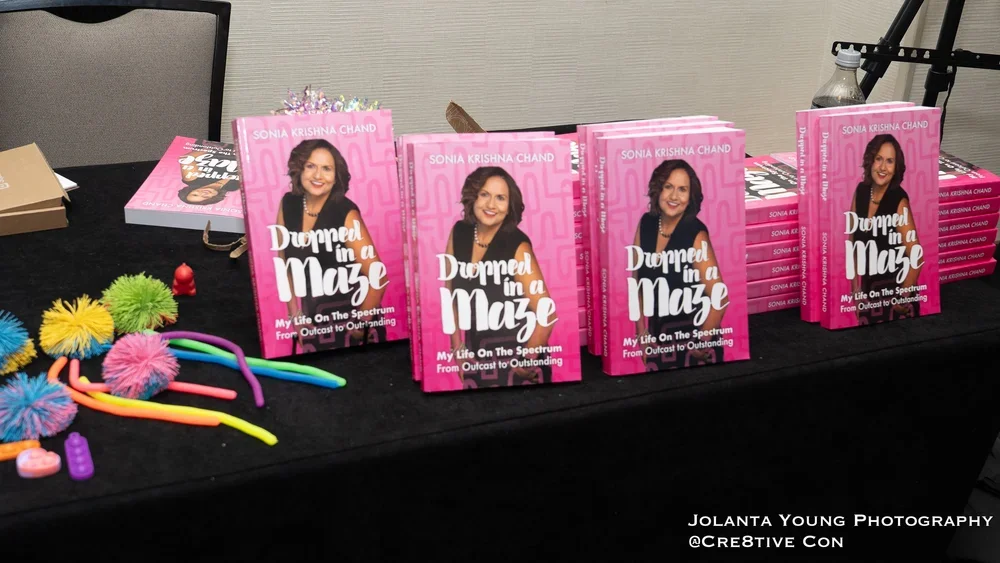
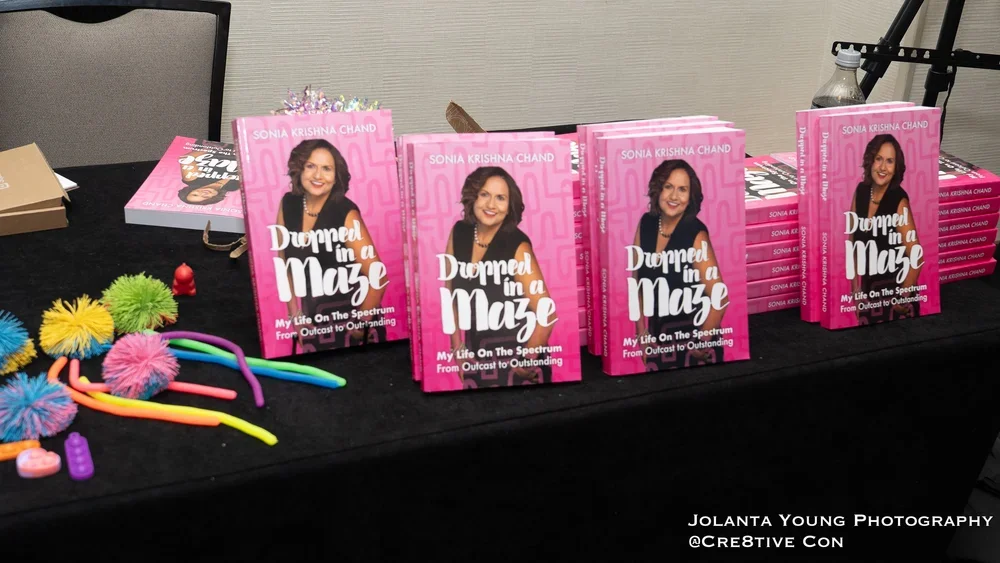
Get a copy of Dropped in a Maze: My Life On The Spectrum to understand how to navigate friendships
Sign #5: They Make You Feel Compared and "Less Than"
The Constant Comparisons
My roommate Tracy told me: "Part of making friends is knowing who you are and what you stand for. People don't come talk to you much because they don't see the confidence in you and a person who knows who she is; whereas, people love to come to talk to me and others because we know who we are."
Every conversation left me feeling like I didn't measure up to her social success.
Why Comparisons Are Harmful
Real friends don't:
Constantly point out your deficits compared to them
Make their social success a benchmark for your failure
Position themselves as the standard you should aspire to
Use your differences to elevate themselves
The "You Should Know By Now" Trap
Tracy would say things like: "You should know how to read people by now. You are in college."
This assumes everyone develops social skills on the same timeline, ignoring that:
Autistic people develop social skills differently and later
Not having friends growing up means less practice with friendships
College isn't a magic cure for years of social isolation
Shaming someone for not knowing something doesn't teach them
What Supportive Friends Do Instead
Supportive friends:
Meet you where you are without judgment
Offer specific help rather than vague criticism
Share their knowledge without implying you're behind
Celebrate your progress instead of comparing you to others
When someone constantly makes you feel inferior, they're not trying to help you improve—they're trying to feel superior.
Sign #6: They Tell You That You Make Them Uncomfortable
The Uncomfortable Confession
Lucy, who'd invited me to multiple floor events, eventually told me: "You make people feel really uncomfortable. You make me feel very uncomfortable."
When I asked what I did, she said: "You tend to invite yourself to things you aren't invited to."
I genuinely didn't remember doing this except once, when I asked to join her on a store trip after we'd had brunch together that same day.
The Problem With Vague Accusations
When someone tells you that you make them uncomfortable without:
Specific examples of what you did
Clear explanation of what bothered them
Actionable feedback on what to change
Compassion for your perspective
They're not trying to help you improve. They're trying to make you feel bad while appearing reasonable.
The Double Standard
Lucy had:
Invited me to multiple events
Gone to brunch with me
Organized floor activities that included me
Acted friendly for months
Then suddenly declared I made her uncomfortable—without explaining why she'd been including someone who supposedly made her so uncomfortable.
Why Autistic People Get Blamed
Autistic people are often told we make others uncomfortable because:
We're enthusiastic about potential friendships. Neurotypical people see this as "too much" or "desperate."
We don't pick up on subtle rejection. When someone doesn't explicitly say no, we assume they mean yes.
We take invitations literally. If you invite us once, we think you meant it. We don't realize it was performative.
We ask clarifying questions. This can be perceived as not "getting it" when social rules are supposed to be obvious.
What To Do When Someone Says This
If someone tells you that you make them uncomfortable:
Ask for specific examples
Request actionable feedback
Consider whether their discomfort stems from your autism, not actual wrongdoing
Evaluate whether this person has been genuine with you
Remember that not everyone will like you, and that's okay
Sometimes people's discomfort says more about them than you.
Sign #7: They Keep You Around Out of Obligation, Not Genuine Interest
The Moral Obligation Friend
Janet made it clear she felt morally obligated to be my friend. She stayed connected not because she enjoyed my company but because abandoning someone with my challenges would make her look bad.
This manifested in:
Resentment when I needed support
Keeping score of everything she did for me
Making me feel like I owed her for tolerating me
Treating our friendship like charity work
Signs Someone Feels Obligated
They emphasize how much they do for you. Real friends don't keep score or remind you how much they sacrifice to be your friend.
They act inconvenienced by your needs. When you reach out for support, they respond with sighs, eye rolls, or comments about how they're always there for you.
They compare themselves favorably to your other friends. "At least I'm here for you, unlike [other person]."
They make you feel guilty for wanting friendship. Your desire for connection becomes a burden they heroically bear.
The Gratitude Trap
People who feel obligated to be your friend often expect excessive gratitude:
For including you in activities
For responding to your messages
For "dealing with" your autism
For being the "only" person who tolerates you
Real friends don't require constant thanks for basic friendship behaviors.
Why This Happens to Autistic People
Autistic people are particularly vulnerable to obligation-based friendships because:
Years of rejection make us grateful for any social connection
We've internalized messages that we're difficult to be around
We don't recognize when someone views us as charity work
We mistake obligation for loyalty
Breaking Free
If someone makes you feel like a burden they've nobly chosen to carry:
Recognize that this isn't friendship
Stop investing emotional energy in maintaining the relationship
Find people who genuinely enjoy your company
Remember that you deserve friends who want you around, not ones who tolerate you
My book details how the friendship with Janet finally ended and what I learned about recognizing obligation-based relationships before investing years in them. This lesson transformed how I approach friendships today.
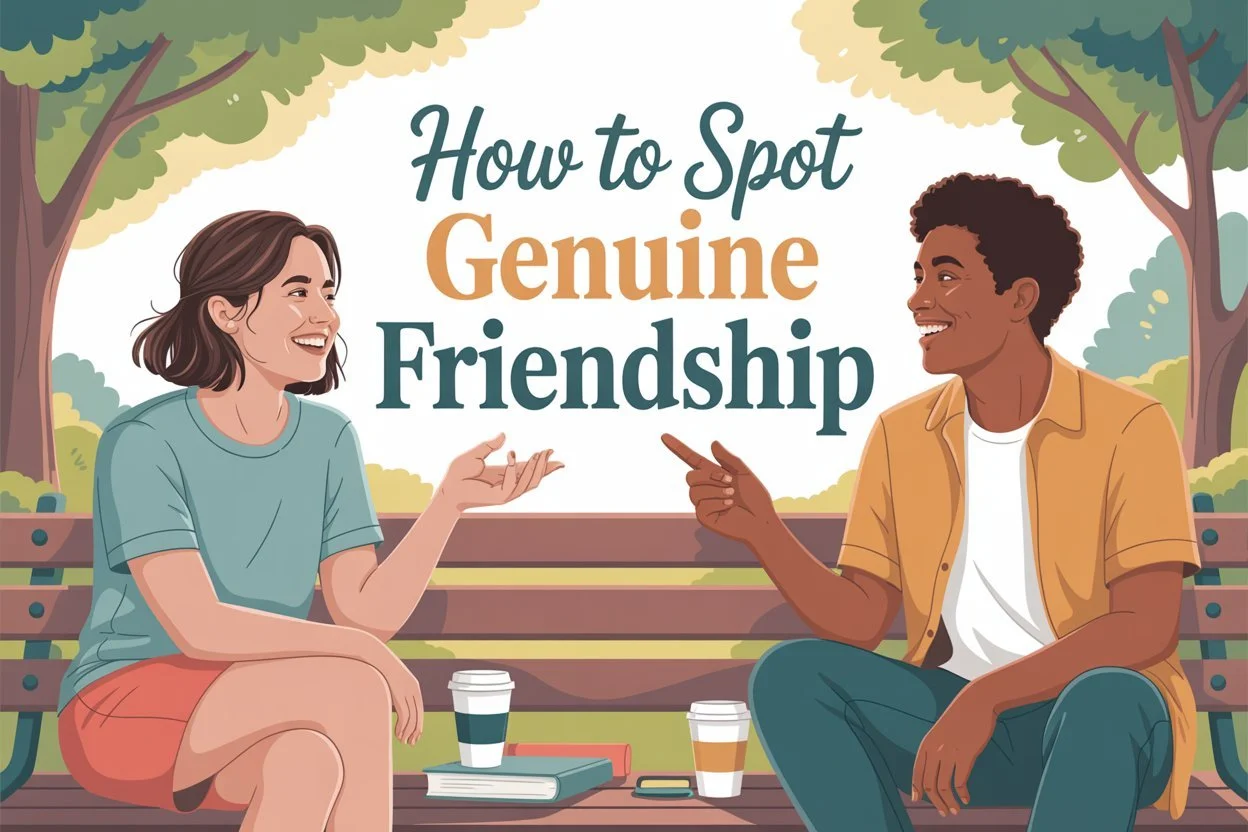
How to Spot Genuine Friendship
After all these fake friendships, I did eventually find genuine connections. Here's what real friendship looked like:
Alisha: The Real Friend
When Alisha didn't respond to my emails, my immediate thought was rejection. My therapist helped me consider other possibilities.
It turned out Alisha's father had undergone major cardiac surgery. She wasn't ignoring me—she was dealing with a family crisis.
Real friends:
Have legitimate reasons when they're less available
Don't play games with your feelings
Communicate when they can
Pick up where you left off without resentment
Wendy: The Encouraging Roommate
My first roommate, Wendy, was genuinely supportive:
She reassured me about starting the semester with a full campus
She didn't compare herself to me
She was happy for me when I got to transfer dorms, even though it meant losing her roommate
She had "impeccable manners" and a "good aura"
Real friends:
Encourage rather than criticize
Are happy for your successes
Don't see your growth as a threat
Create a comfortable, safe energy
Key Takeaways for Autistic People Navigating Friendships
You Don't Have to Accept Crumbs
Years of rejection taught me to be grateful for any social connection, even toxic ones. But accepting fake friendship out of desperation only prolongs loneliness.
It's better to be alone than to be with people who:
Criticize you constantly
Talk about you behind your back
Keep you around out of obligation
Make you feel worse about yourself
Not Everyone Has Your Best Interests at Heart
This is a hard lesson for autistic people who assume good intentions. Some people will:
Use your naivety against you
Take advantage of your difficulty reading social situations
Exploit your desperation for connection
Maintain friendly facades while harboring resentment
Trust Your Gut, But Learn to Read It
Many autistic people experience anxiety that makes it hard to distinguish genuine intuition from fear. But there's usually a difference between:
Anxiety: "What if they don't like me?" Intuition: "Something feels off about how they treat me."
Learning to recognize this difference takes time and often requires:
Therapy to process past experiences
Social skills training to understand patterns
Support from people who can offer objective perspectives
Practice trusting yourself when something doesn't feel right
Quality Over Quantity Always
Janet asked me: "What sounds better? One friend whom you could trust or having a group where you don't even know if you could trust them?"
She was right about one thing (even if her motives were wrong): one genuine friend is worth more than an entire group of fake ones.
Don't measure your social success by:
Number of friends
Size of your friend group
How busy your social calendar is
Measure it by:
How you feel after spending time with people
Whether friendships are reciprocal
If people celebrate you rather than criticize you
Whether you can be yourself without fear of judgment
Social Skills Take Time—And That's Okay
Tracy said: "You should know how to read people by now. You are in college."
But social skills aren't age-dependent—they're experience-dependent. If you didn't have friends growing up, you're learning in college what others learned in childhood.
This doesn't make you behind. It makes you on a different timeline.
Be patient with yourself while learning to:
Distinguish genuine interest from politeness
Recognize when someone is two-faced
Set boundaries with people who make you feel bad
Trust your instinctive responses to people's energy
Ready to learn the complete story of navigating college friendships as a newly diagnosed autistic person? My book provides detailed accounts of these relationships, what I learned from each experience, and practical strategies for protecting yourself from fake friends while finding genuine connections.
Get your copy today and learn from my mistakes so you don't have to repeat them.
Final Thoughts
Looking back at my sophomore year of college, I wish someone had taught me these red flags before I invested so much emotional energy in people who didn't deserve it.
Janet wasn't my friend—she was my critic who enjoyed feeling superior to someone she viewed as socially inferior.
Lucy wasn't my friend—she was someone who included me out of politeness while complaining about me behind my back.
Tracy wasn't my friend—she was a roommate who saw my social struggles as an opportunity to position herself as more evolved.
But Alisha, Wendy, and even brief connections like Phaedra showed me what real friendship could look like. Those glimpses of genuine connection kept me going through the lonely times and taught me that not everyone would treat me poorly.
The maze post-diagnosis wasn't easier than before—in some ways, it was harder because I was now hyperaware of my differences. But with each fake friendship that ended and each genuine connection that formed, I learned to navigate it better.
You will too. It just takes time, practice, and the willingness to walk away from people who don't deserve access to you.
For the complete journey through college friendships, toxic relationships, and learning to recognize genuine connection—plus practical strategies for every situation I faced—get my book today. You'll find validation, wisdom, and tools that will transform how you approach friendships as an autistic person.
