
7 Signs You've Become the Toxic Person (And How Depression Makes It Worse)
Nobody wants to admit they've become toxic. We're quick to identify toxic people in our lives, but recognizing when we're the problem? That's devastatingly hard.
Depression doesn't just make you sad—it can turn you into someone who drains others, dumps emotions on people who aren't equipped to handle them, and pushes away the few genuine connections you have. Add unprocessed trauma from years of rejection and bullying, and you become a walking red flag to anyone who might have been your friend.
This is the uncomfortable truth I had to face after my 21st birthday disaster. The depression that followed didn't just make me miserable—it made me toxic to be around. I became the person others avoided, the one who brought negative energy into every interaction, the friend who took without giving back.
For autistic people struggling with depression after years of social failure, this pattern is particularly dangerous. We already struggle with social skills. When depression turns us toxic, we destroy the few chances we have at genuine connection.
This is about recognizing when you've crossed the line from struggling to toxic—and what you need to do differently to heal.
Table of Contents
Sign #1: You're Emotionally Dumping on Acquaintances
Sign #2: You Can't Stop Talking About Your Pain
Sign #3: Your Envy of Others' Friendships Poisons Interactions
Sign #4: You Obsess Over One Topic Despite People's Discomfort
Sign #5: You Stand People Up or Cancel Because of Your Mood
Sign #6: You Can't Pull Yourself Out of Depression Alone
Sign #7: You're Disconnected From Yourself and Your Needs
How to Stop Being Toxic and Start Healing
Key Takeaways for Breaking the Cycle
Sign #1: You're Emotionally Dumping on Acquaintances
What Emotional Dumping Looks Like
After my birthday disaster, something strange started happening. Sapna, one of the people who'd bailed on my celebration, began encouraging me to vent to her about what was going on.
I took her up on it. I would share my frustrations, cry about how things turned out, and unload all my pain onto her.
This wasn't healthy communication. This was emotional dumping on someone who wasn't actually my close friend.
The Difference Between Sharing and Dumping
Healthy sharing:
Reciprocal conversations where both people contribute
Appropriate to the relationship depth
Includes positive interactions, not just problems
Respects the other person's emotional capacity
Happens with people who've explicitly offered support
Emotional dumping:
One-sided unloading of problems and pain
Too intense for the relationship level
Happens repeatedly without reciprocation
Ignores whether the other person can handle it
Treats acquaintances like therapists
Why This Is Toxic
Emotional dumping:
Burdens people who didn't sign up for it. Acquaintances aren't equipped to handle your deepest trauma and pain.
Creates imbalanced relationships. You're taking emotional support without giving anything back.
Pushes people away. Even people who initially felt sympathetic will start avoiding you.
Prevents real friendships from forming. People see you as needy and draining before getting to know you.
What I Should Have Done Instead
Looking back, I recognize that my pain was my responsibility to bear, not Sapna's to carry. I owed her an apology for the emotional dumping.
What I needed:
A therapist trained to handle that level of pain
Processing past trauma, not just surface emotions
Skills for managing depression, not just people to vent to
Healthy boundaries about what to share and with whom
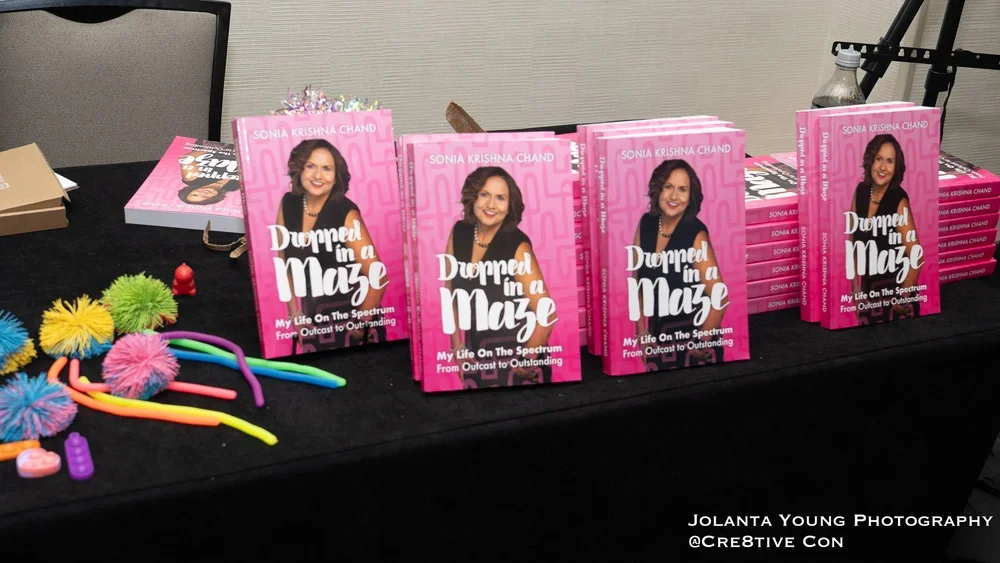
Dropped in a Maze: My Life On The Spectrum
Sign #2: You Can't Stop Talking About Your Pain
The Depression That Clung Like an Octopus
The Fall 2003 semester was numbing and depressing. Every day felt like struggling to stay above water. The feelings from my birthday—anger, hurt, betrayal, self-loathing—clung to me like an octopus clinging to a face.
I couldn't shake it off. Worse, I couldn't stop talking about it.
When Pain Becomes Your Identity
Depression can make your pain become the only thing you can talk about:
Every conversation circles back to your struggles. No matter what topic starts the discussion, you redirect it to your pain.
You can't engage with others' lives. When people share their experiences, you immediately relate it back to your own suffering.
Happy moments feel impossible. Even when good things happen, you can't fully experience them because depression clouds everything.
You become a black hole of negativity. People start to dread interactions with you because they know it'll just be more pain.
The Triggering Environment
It didn't help that birthday conversations were happening constantly around me. People were:
Going on trips with friends for their birthdays
Having dinner celebrations
Throwing parties they were excited about
None of which included eating a fish sandwich alone at a fast-food place.
Every conversation about birthdays was a trigger that sent me spiraling back into the shame and embarrassment of my own experience.
Why This Pushes People Away
When you can't stop talking about your pain:
People feel helpless. They don't know how to help and feel bad that nothing they say makes a difference.
Interactions become exhausting. Every conversation requires emotional labor they're not getting paid for.
They start avoiding you. It's not personal—they're protecting their own mental health.
You miss opportunities to connect. Shared interests and positive experiences are what build friendships, not shared misery.
What's Actually Needed
My therapist, Dr. Theroux, kept validating my feelings: "Anybody who was in a similar situation to you would also feel devastated to feel that nobody was close enough to celebrate them."
But validation alone wasn't enough. She also kept telling me to "pull myself out of the depression."
I tried. I couldn't. I didn't have the skills.
What I actually needed was deeper therapeutic work on:
Processing childhood trauma that the birthday triggered
Learning to love myself, which I had no clue how to do
Developing skills to manage intense emotions
Healing the root causes, not just managing symptoms
In my book, I detail the complete struggle with depression during this semester and what eventually helped me move beyond just talking about pain to actually healing from it. Understanding this difference is crucial for anyone stuck in this pattern.
Sign #3: Your Envy of Others' Friendships Poisons Interactions
The Toxic Combination
When I vented to Sapna, I wasn't just expressing sadness. I was emotionally dumping while simultaneously being envious that she had friends despite sharing her own childhood difficulties.
Sapna emphasized how hard she worked to get friends. I kept thinking I was doing the same thing, and that aggravated me.
The anger was really about my own frustrations, but it poisoned our interactions.
How Envy Shows Up
Envy in friendships manifests as:
Resentment when others succeed socially. Instead of being happy for them, you feel bitter about your own situation.
Comparing constantly. "Why do they have friends and I don't? What's wrong with me?"
Inability to celebrate others. Their wins feel like your losses.
Passive-aggressive comments. Subtle digs that reveal your jealousy.
Taking their friendship for granted. You're so focused on what you lack that you don't appreciate what you have.
Why This Is Toxic
Envy:
Creates negative energy that people can feel even if you don't voice it.
Prevents genuine connection because you're focused on what you don't have rather than building what's in front of you.
Makes people feel bad about their own happiness around you.
Reveals that you're using them as a measuring stick for your own inadequacy rather than valuing them as individuals.
The Reality Check
The truth was Sapna and I were both unhealthy in our own ways. I had no business emotionally dumping on her, and my envy made the dynamic even more toxic.
Her having friends didn't take anything away from me. But depression and unprocessed trauma made it feel that way.
Sign #4: You Obsess Over One Topic Despite People's Discomfort
The Sorority Fixation
During Fall 2003, my interest in joining a sorority grew. I thought if I was part of one, I would finally learn how to be likable and have friends.
I saw sorority girls dressed impeccably with nice outfits, hair done, and makeup on. I wished I could look like them and be like them.
I talked about sorority life constantly with Savannah, who was actually in a sorority, until she finally snapped.
When She Called Me Out
"This is why I get so irritated every time I talk to you! You always talk about sorority life," Savannah exclaimed.
"Oh, I am so sorry! I didn't realize," I said, feeling horrible.
"Nobody really talks about sororities much anymore. I'm about to graduate. Nobody even brings up sorority stuff anymore."
Why This Happens
Autistic people often develop intense interests that we want to discuss constantly. When that interest is tied to social belonging we desperately want, it becomes even more consuming.
I didn't realize I was:
Bringing it up in every conversation
Ignoring Savannah's discomfort with the topic
Making her feel like I only valued her for sorority information
Being tone-deaf about what was appropriate to discuss
The Impact
Obsessing over one topic:
Makes people feel like you're not interested in them as individuals, only as resources.
Creates irritation and frustration that builds over time until they explode.
Signals poor social awareness that makes people wary of deeper friendship.
Prevents balanced conversations that could actually build connection.
How to Recognize the Pattern
Warning signs you're doing this:
People change the subject when you bring up your topic
Someone explicitly tells you to stop talking about it
You notice yourself steering every conversation back to one thing
People start avoiding certain topics around you because they know you'll hijack the conversation
Sign #5: You Stand People Up or Cancel Because of Your Mood
The Pattern With Sapna
Sapna and I made plans throughout the semester to hang out on weekends. Most often, I would be stood up.
This was bewildering because she encouraged vulnerable conversations but then wouldn't follow through on plans.
When Depression Controls Your Reliability
Being stood up is toxic behavior. But depression can also make you:
Cancel plans last minute because you can't handle leaving your room.
Not show up because your mood tanked and you couldn't face socializing.
Make commitments you can't keep because you feel better in the moment but crash later.
Flake repeatedly without explanation, leaving people confused and hurt.
Why This Destroys Relationships
Unreliability:
Shows people they can't count on you. Trust is built on consistency.
Wastes their time when they've arranged their schedule around you.
Creates resentment that builds with each cancellation.
Signals that your needs always trump theirs, which isn't sustainable in friendship.
The Missing Piece
I missed the social cue that this wasn't a genuine friendship. Sapna was more of an acquaintance, and I should have recognized that earlier.
But the pattern of unreliability—whether from her, from me, or both—prevented anything deeper from forming.
Sign #6: You Can't Pull Yourself Out of Depression Alone
The Therapist's Impossible Advice
Dr. Theroux kept telling me to "pull myself out of the depression."
I tried so hard. I couldn't do it. I didn't have the skills.
My emotions ate me up every day. I had major crying outbursts when alone. Sometimes tears would well up during class.
Why "Pull Yourself Out" Doesn't Work
Depression isn't a choice. You can't just decide to feel better any more than you can decide to cure a broken leg through positive thinking.
What doesn't work:
Telling yourself to snap out of it
Trying harder to be happy
Forcing yourself to socialize when you're empty inside
Pretending everything is fine
What's actually needed:
Deep therapeutic work on root causes, not just surface symptoms
Processing past trauma that the current situation triggered
Learning specific skills for emotional regulation and self-compassion
Sometimes medication to address chemical imbalances
Time and patience with the healing process
The Childhood Connection
What really needed to be worked on was processing the past and how it affected my present situation. I needed to learn how to heal and how to love myself. I hadn't the first clue how to do that.
The embarrassment and shame from my 21st birthday traced all the way back to childhood:
Years of rejection and bullying
Being made to sit alone at events
Constant social failure and isolation
Messages that I was unworthy and should be destroyed
You can't "pull yourself out" of depression rooted in decades of trauma without addressing the trauma itself.
What Changed Things
The intense depression lasted the entire Fall 2003 semester. The only times I felt somewhat "normal" were when I hung out with others at bars in The Village, where I felt like part of the group—even if it was just a facade.
Real change didn't come from trying harder. It came from:
Getting a new start in Spring 2004
Meeting people like Leslie who asked the right questions
Learning healthier connection patterns over time
Eventually doing deeper therapeutic work (though not until much later)
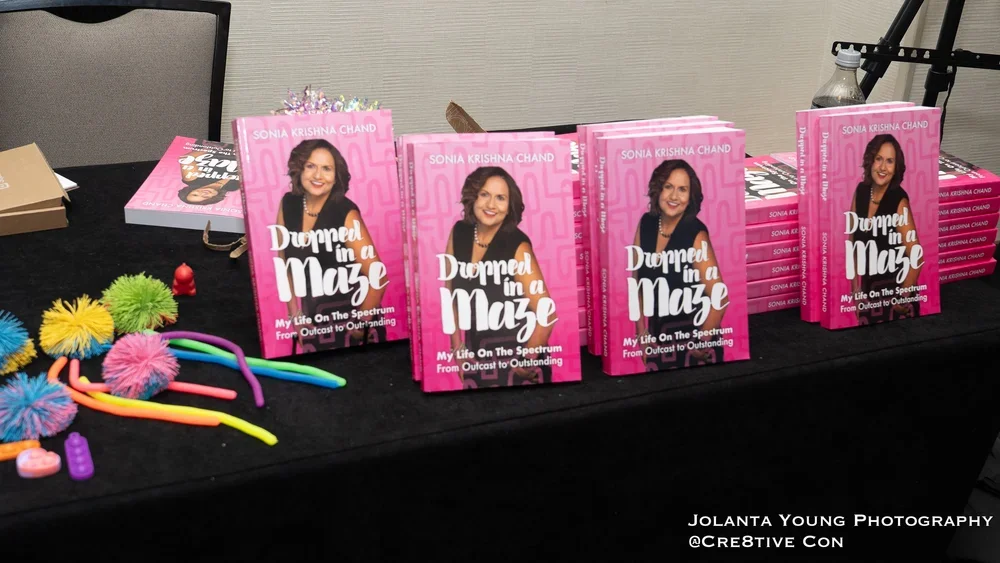
The complete story of struggling with this depression and what eventually helped me move beyond it is detailed in my book. If you're stuck in this pattern, understanding what actually works versus what well-meaning therapists tell you to do can save you years of suffering.
Sign #7: You're Disconnected From Yourself and Your Needs
The Missing Connection
During this time, I was focused entirely on:
Making friends
Being accepted
Learning to be likable
Looking like the sorority girls
Having what others had
What I wasn't focused on: myself. Who I actually was. What I actually wanted.
The Void at Graduation
I graduated college feeling a void because I knew I was about to enter a career I didn't have a sincere heart for.
Even though I would've still had social challenges, I believe the edges of loneliness and the overall college experience would've been better if I had listened to my own heart.
That would've meant:
Exploring psychology or journalism—courses I would've enjoyed
Taking classes aligned with my interests
Feeling connected to what I was studying
Becoming connected to the most important person: myself
Why Self-Disconnection Makes You Toxic
When you're disconnected from yourself:
You can't offer authentic connection because you don't know who you authentically are.
You seek validation externally instead of building internal self-worth.
You try to be what others want rather than discovering what you want.
You create relationships based on need rather than genuine compatibility.
You don't have boundaries because you don't know what you need or value.
The Real Work
The real connection missing was the one I had with myself. All the social skills training in the world won't fix that fundamental disconnection.
True healing requires:
Learning who you are beyond others' expectations
Discovering your own interests and passions
Building self-worth from internal sources
Honoring your needs, not just accommodating others
Making choices aligned with your authentic self
How to Stop Being Toxic and Start Healing
Step 1: Recognize You Can't Do This Alone
Stop trying to "pull yourself out of depression" through willpower. You need:
A therapist trained in trauma who can help you process the root causes
Support groups with people who understand what you're experiencing
Possibly medication if depression has a chemical component
Time and patience with the healing process
Depression rooted in trauma requires professional help, not just positive thinking.
Step 2: Stop Emotional Dumping on Acquaintances
Create clear boundaries about what you share and with whom:
Acquaintances: Surface-level updates, no deep trauma Developing friends: Some challenges, balanced with positive interactions Close friends: Deeper struggles, but still reciprocal and boundaried Therapists: The full weight of trauma and pain
Your pain is your responsibility to heal, not others' to carry.
Step 3: Learn to Sit With Envy Without Acting on It
Envy is a normal human emotion. The problem is when you:
Let it poison your interactions
Express it through passive-aggressive comments
Use it as fuel for resentment
Instead:
Acknowledge the envy to yourself
Recognize it's about your pain, not their success
Use it as information about what you want
Don't let it leak into the relationship
Step 4: Monitor How Often You Bring Up Your Obsessions
Pay attention to:
How often you steer conversations to your topic of interest
Whether people seem uncomfortable or change the subject
If you're asking about others' lives or just talking about yours
When someone explicitly tells you to stop
Make a conscious effort to:
Ask questions about the other person
Let them lead some conversations
Notice when you're dominating with one topic
Diversify what you talk about
Step 5: Be Reliable or Don't Make Plans
If depression makes you unreliable:
Option 1: Only commit to plans when you're reasonably sure you can follow through
Option 2: Be honest about your limitations: "I'd like to make plans, but I'm dealing with depression and might need to cancel. Is that okay with you?"
Option 3: Stick to low-commitment hangouts that don't require advance planning
Don't repeatedly stand people up or cancel last minute. It destroys trust.
Step 6: Process Trauma, Don't Just Manage Symptoms
Surface-level therapy that validates feelings without addressing root causes won't create lasting change.
You need to:
Process childhood experiences that created current patterns
Understand how past trauma affects present relationships
Heal the wounds, not just bandage the symptoms
Learn new patterns based on self-worth, not desperation
This takes time and the right therapeutic approach.
Step 7: Reconnect With Yourself
Ask yourself questions you've been avoiding:
What do I actually enjoy?
What interests me beyond social acceptance?
What would I study if I weren't trying to please others?
Who am I when I'm alone?
What do I value and need?
Build a relationship with yourself before expecting others to have relationships with you.
If you're autistic, Sonia's podcast offers essential guidance on finding ethical mental health support
Key Takeaways for Breaking the Cycle
Toxicity Often Comes From Unprocessed Pain
You're not a bad person for becoming toxic. You're a hurt person who hasn't healed, acting out of that pain in ways that push people away.
Recognizing this is the first step toward change.
Depression Makes Everything Harder
When depression tells you to "just try harder," remember:
Depression is a liar
You can't think your way out of clinical depression
Professional help isn't weakness—it's necessary
Healing takes time and appropriate treatment
Some Friendships Form Despite Your Struggles
During Spring 2004, healthier friendships started forming:
Leslie arrived as my new roommate and asked insightful questions about my autism diagnosis that showed she understood.
Carrie connected with me on deeper intellectual levels and shared her own healing journey, introducing me to books like The Four Agreements.
These friendships were testament to never giving up on making connections, even when depression made it feel impossible.
The Most Important Connection Is With Yourself
All the social skills in the world won't fix fundamental self-disconnection.
Learning to:
Know yourself
Honor your interests
Make choices aligned with your authentic self
Build internal self-worth
These are prerequisites for genuine, healthy connections with others.
Ready to learn the complete journey from toxic patterns to healthy friendships? Get a copy of dropped in a Maze today and learn how to break the cycle of toxicity rooted in unprocessed pain.
Moving Forward
The Fall 2003 semester was one of the darkest periods of my life. I became someone I'm not proud of—emotionally dumping on acquaintances, unable to stop talking about pain, envious of others' friendships, obsessing over sororities, and disconnected from my authentic self.
But recognizing these toxic patterns was the beginning of change. Spring 2004 brought new friendships with Leslie and Carrie that showed me what healthy connection could look like.
Eventually, I learned that:
Emotional dumping isn't the same as authentic sharing
Depression requires professional help, not just willpower
Envy reveals what you want, not what others have taken from you
Obsessions push people away instead of creating connection
The most important relationship is with yourself
If you're recognizing toxic patterns in yourself right now, know that awareness is the first step. Change is possible. Healing takes time, professional support, and deep work on root causes—but it's absolutely possible.
For the complete story of moving from toxic depression to genuine healing and healthy friendships my book provides everything you need.
Get your copy today and start your journey from toxicity to authentic connection.
