

Autism Books For Adults
Table of content
Autism Books For Adults
Why Finding the Right Autism Book Matters
What Makes "Dropped in a Maze" Different
Who Should Read "Dropped in a Maze"
Key Themes You'll Find in the Book
How This Book Complements Your Autism Journey
Beyond Reading: Connecting with Sonia's Work
Making Your Purchase Decision
Conclusion
Autism Books For Adults

Books change lives. For many adults discovering their autism diagnosis or seeking to understand their neurodivergent brain better, the right book feels like finding a missing puzzle piece. You've probably searched "autism books Amazon" countless times, scrolling through endless options, wondering which ones actually speak to your experience as an adult on the spectrum. We’ve all been there.
Finding authentic, relatable autism literature isn't easy. Most books focus on children or clinical perspectives that feel cold and distant. You need something different—books that see you, understand your journey, and offer hope for embracing your authentic self. Whether you're newly diagnosed, seeking deeper understanding, or supporting someone you love, the right book can transform how you view autism from a challenge into a superpower.
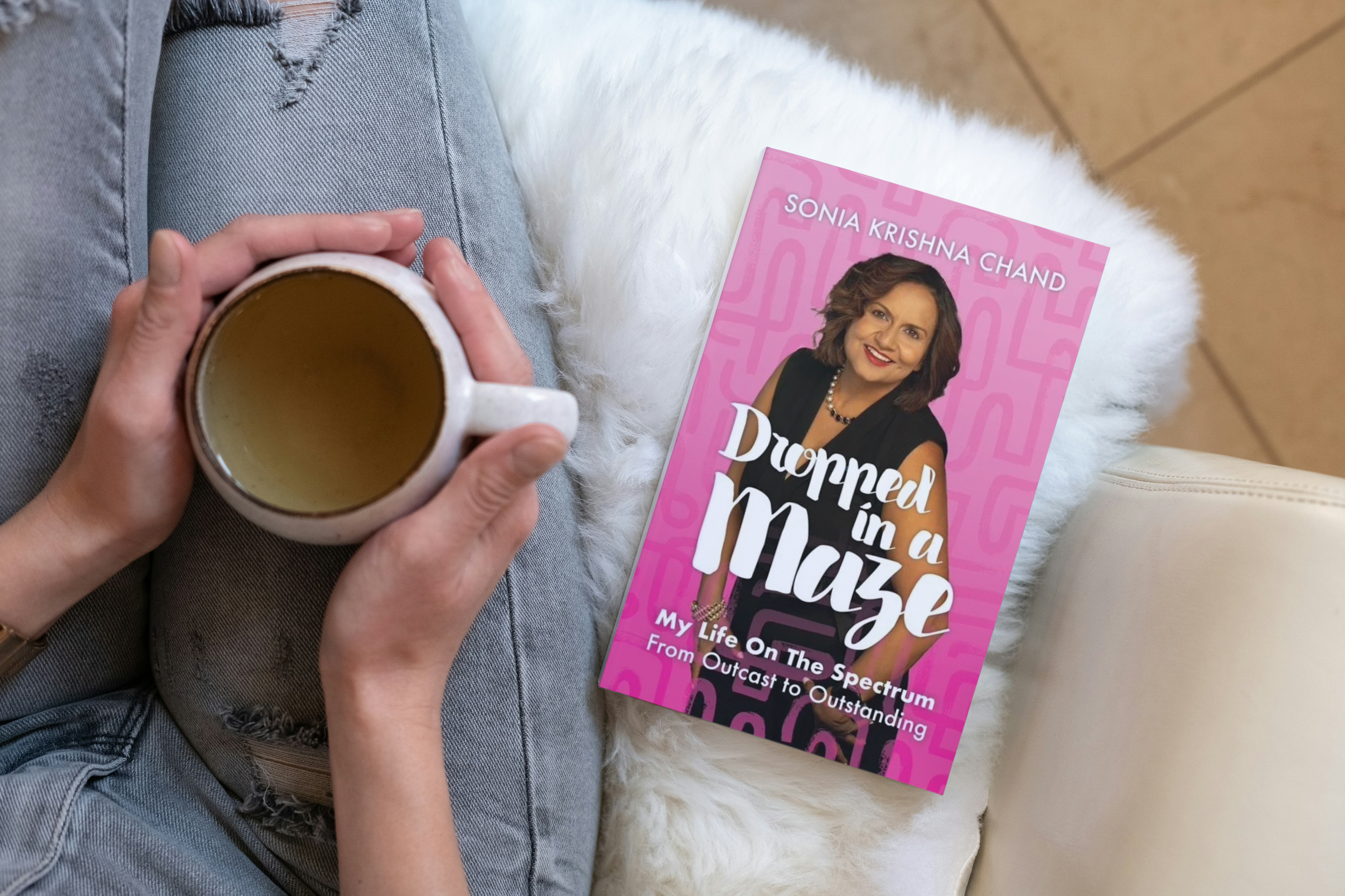
That's exactly why "Dropped in a Maze: My Life on the Spectrum" exists. Written by someone who truly gets it, this book offers the authentic perspective you've been searching for.
Why Finding the Right Autism Book Matters
Reading about autism from someone who lives it daily changes everything. Academic books and clinical guides have their place, but they can't capture the real experience of navigating a neurotypical world as an autistic adult. You need stories that resonate with your struggles and victories.
The right autism book validates your experiences. It tells you that yes, feeling overwhelmed in grocery stores is normal. Yes, masking all day exhausts you. Yes, your need for routine isn't quirky—it's necessary for your wellbeing. This validation often comes as a relief, especially for adults diagnosed later in life who spent years wondering why they felt different.
Understanding autism books help you develop self-advocacy skills. When you understand your own neurotype better, you can communicate your needs more effectively. You learn to ask for accommodations without shame and to embrace stimming behaviors that help you regulate.
That’s not all, books also bridge the gap between you and your loved ones. When family members read authentic autism narratives, they gain a deeper understanding of your experiences. This understanding strengthens relationships and builds the support network every autistic adult deserves.
What Makes "Dropped in a Maze" Different
"Dropped in a Maze: My Life on the Spectrum" stands apart because it comes from lived experience combined with professional expertise. Sonia Krishna Chand brings both personal authenticity and clinical knowledge to her writing, creating a unique perspective that few authors can offer.
Here's what makes this book special:
Late diagnosis perspective: Sonia was diagnosed in her twenties, sharing the unique challenges of discovering autism as an adult
Professional insight: As a licensed psychotherapist, she understands both the clinical and personal sides of autism
Advocacy focus: The book doesn't just describe autism—it empowers readers to embrace their neurodivergent identity
Authentic voice: No clinical jargon or detached observations, just honest storytelling from someone who gets it
The book title itself captures something profound about the autism experience. Being "dropped in a maze" perfectly describes how many autistic adults feel—placed in a confusing world without a map, trying to navigate social rules and expectations that seem arbitrary and overwhelming.
Who Should Read "Dropped in a Maze"

1. Newly Diagnosed Adults
If you've recently received an autism diagnosis, this book serves as your guide through the emotional journey ahead. Late diagnosis brings unique challenges—grief for the childhood you might have had, relief at finally understanding yourself, and confusion about what comes next.
"Dropped in a Maze" acknowledges these complex emotions without offering simple solutions. Instead, it provides companionship on the journey and practical insights for moving forward authentically.
2. Self-Diagnosed Individuals Seeking Validation
Not everyone pursues formal diagnosis, and that's completely valid. If you recognize yourself in autism descriptions but haven't gone through official channels, this book offers the validation and understanding you seek.
Sonia's story includes the pre-diagnosis years of feeling different and struggling to understand why. These chapters speak directly to anyone who's ever wondered if they might be autistic.
3. High Functioning Autism Advocates
The term "high functioning" has limitations, but many autistic adults use it to describe their experience. If you can work, live independently, and manage daily tasks but still struggle with sensory issues, social situations, and overwhelm, this book speaks your language.
"Dropped in a Maze" doesn't minimize these struggles or suggest you should be grateful for your "mild" autism. Instead, it validates the unique challenges of being autistic in a world that expects you to function like everyone else.
4. Family Members and Partners
Understanding your autistic loved one requires hearing authentic autistic voices. This book helps neurotypical readers develop empathy and insight into the autistic experience.
Partners especially benefit from reading about the internal world of autism—the constant masking, the sensory overwhelm, the need for predictability. This understanding strengthens relationships and improves communication.
5. Professionals Working with Autistic Adults
Therapists, coaches, and other professionals gain valuable perspective from reading authentic autism narratives. Clinical training provides important knowledge, but lived experience offers irreplaceable insights.
Sonia's dual perspective as both therapist and autistic individual makes this book particularly valuable for professionals seeking to improve their practice.
Key Themes You'll Find in the Book
Embracing Authenticity Over Masking
Masking—pretending to be neurotypical—exhausts autistic individuals and prevents authentic connection. "Dropped in a Maze" explores the journey from constant masking to selective authenticity.
The book doesn't suggest you should never mask (sometimes it's necessary for safety or professional success), but it encourages readers to find spaces where they can be genuinely themselves.
Turning Challenges into Advocacy
Sonia's transformation from struggling individual to autism advocate demonstrates how personal challenges can become sources of strength and purpose. The book shows how understanding your own autism can lead to helping others on similar journeys.
This theme particularly resonates with readers who want to make meaning from their struggles and contribute to autism acceptance.
Redefining Success on Your Own Terms
Society defines success narrowly—career advancement, social popularity, traditional milestones. "Dropped in a Maze" challenges these definitions and encourages readers to create success metrics that honor their authentic selves.
Maybe success means finding a job that accommodates your sensory needs. Maybe it's building deep friendships with a few people rather than maintaining many superficial relationships. The book validates these alternative definitions.
Building Community and Connection
Isolation affects many autistic adults, especially those diagnosed later in life. The book emphasizes the importance of finding your people—whether that's other autistic individuals, understanding family members, or supportive communities.
Sonia shares how connecting with other autistic advocates transformed her own journey and provides hope for readers seeking similar connections.
How This Book Complements Your Autism Journey

Reading as Self-Discovery Tool
"Dropped in a Maze" works as more than entertainment—it's a self-discovery tool. As you read Sonia's experiences, you'll likely recognize patterns in your own life and gain new insights into your autism.
Keep a journal while reading to capture these insights. Note which parts resonate most strongly and how they apply to your own experiences.
Bridging Understanding with Loved Ones
Share meaningful passages with family members or partners who want to understand your autism better. The book provides language for experiences that are often difficult to explain.
Many readers report that their loved ones finally "got it" after reading authentic autism narratives like this one.
Inspiration for Advocacy
Even if you don't plan to become a public advocate, this book might inspire you to advocate for yourself more effectively. Learning to articulate your needs and stand up for accommodations benefits every aspect of your life.
The book demonstrates how personal advocacy can grow into community involvement when you're ready.
Beyond Reading: Connecting with Sonia's Work
"Dropped in a Maze" represents just one part of Sonia's mission to empower neurodivergent individuals. Her podcast explores autism topics through interviews and personal stories, providing ongoing support and community.
Her coaching services help individuals navigate their autism journey with professional guidance combined with lived experience understanding. This combination offers unique value for clients seeking both clinical expertise and authentic connection.
Making Your Purchase Decision
When searching "autism books Amazon" or looking for autism books to read, consider these factors:
Author's perspective: Does the author have lived experience with autism?
Target audience: Is the book written for adults, or does it focus on children?
Approach: Does it pathologize autism or celebrate neurodivergence?
Practical value: Will you gain actionable insights for your own journey?
"Dropped in a Maze" checks all these boxes while offering something many autism books lack—hope and empowerment alongside honest acknowledgment of challenges.
Conclusion
Your autism journey deserves a guide who understands the territory from the inside. "Dropped in a Maze: My Life on the Spectrum" offers that guidance with authenticity, expertise, and genuine care for readers navigating their own mazes. Whether you're newly diagnosed, supporting someone you love, or simply seeking deeper understanding of your neurodivergent brain, this book provides the companionship and insights you've been searching for.
The maze doesn't have to feel so confusing when you're not walking through it alone. Get your copy of "Dropped in a Maze" and discover how challenges can become strengths, differences can become superpowers, and feeling lost can lead to finding your truest self.

The Importance of Advocacy in Autism
Table of content
Intro
Why Autism Advocacy Matters More Than Ever
Understanding Different Types of Autism Advocacy
How to Find Your Advocacy Voice
Building Effective Advocacy Skills
Overcoming Common Advocacy Challenges
Creating Lasting Change Through Autism Advocacy
The Ripple Effects of Your Advocacy Voice
Conclusion
The Importance of Advocacy in Autism

Advocacy transforms lives. When autistic individuals find their voice and speak up for themselves and their community, they reshape how the world sees autism. They challenge stereotypes, demand accommodations, and create pathways for future generations to thrive authentically.
But advocacy in autism isn't just about grand gestures or public speaking. It happens in doctor's offices when you ask for sensory accommodations. It unfolds in workplaces when you request written instructions instead of verbal ones. It emerges in everyday moments when you choose authenticity over masking. Every time an autistic person advocates for their needs, they plant seeds of understanding that grow into acceptance and celebration.
The autism advocacy landscape needs diverse voices—from newly diagnosed adults discovering their identity to seasoned advocates reshaping policies. Whether you're just beginning to understand your neurodivergent brain or you've been advocating for years, your perspective matters. Your story has power. Your voice can create change.
Let’s explore why it matters.
Why Autism Advocacy Matters More Than Ever
Society still clings to outdated myths about autism. Media representations often show savants or individuals who need constant care, missing the vast middle ground where most autistic people live. These narrow portrayals harm real people who don't fit stereotypical molds.
Advocacy dismantles these misconceptions one conversation at a time. When autistic individuals share their authentic experiences, they reveal the spectrum's true diversity. They show that autism isn't a tragedy to overcome but a neurological difference to celebrate. This shift in narrative changes everything—from how families approach diagnosis to how employers create inclusive workspaces.
The ripple effects extend far beyond individual stories. Advocacy efforts have secured legal protections, improved educational services, and expanded employment opportunities. The Americans with Disabilities Act didn't happen by accident—it resulted from decades of disability advocates demanding equal rights. Today's autism advocates continue this legacy, pushing for sensory-friendly environments, communication accommodations, and acceptance of stimming behaviors.
Research priorities also shift when autistic voices enter the conversation. Instead of focusing solely on causes and cures, researchers now explore quality of life, employment success, and community integration. This evolution happens because advocates insist their priorities matter. Sonia spoke in detail about representation in her book Dropped in a Maze: My Life on the Spectrum.
Understanding Different Types of Autism Advocacy

Self-advocacy forms the foundation of all autism advocacy. This involves understanding your own needs, communicating them clearly, and standing up for your rights. Self-advocacy starts with self-awareness—recognizing your sensory preferences, communication style, and support needs.
Many autistic adults like Sonia discover advocacy naturally after diagnosis. She spoke about in her book about how she was diagnosed late and how this affected her. They begin questioning why they struggled in certain environments and demanding better accommodations. This personal advocacy often evolves into broader community involvement as individuals realize their experiences reflect systemic issues.
Systemic advocacy targets larger structures and policies. Advocates work to change laws, improve services, and shift cultural attitudes. They testify at legislative hearings, collaborate with organizations, and organize community efforts. This type of advocacy requires persistence and strategic thinking, but it creates lasting change that benefits entire communities.
Workplace advocacy deserves special attention because employment remains challenging for many autistic adults. Advocates push for interview accommodations, sensory-friendly workspaces, and clear communication protocols. They educate managers about autism and demonstrate how accommodations benefit everyone, not just neurodivergent employees.
Educational advocacy protects autistic students from preschool through college. Parents and autistic students themselves advocate for appropriate services, inclusive classrooms, and anti-bullying policies. This advocacy ensures that autistic learners receive education that honors their strengths while addressing their challenges.
Community advocacy focuses on making public spaces more accessible and welcoming. Advocates work with businesses to create quiet hours, sensory-friendly events, and autism-aware staff training. They push for understanding that meltdowns aren't behavior problems but neurological responses to overwhelm.
How to Find Your Advocacy Voice
Finding your advocacy voice begins with understanding your own autism experience. Reflect on your sensory needs, communication preferences, and social challenges. Consider how masking has affected your life and what accommodations truly help you thrive.
Start small with personal advocacy. Sonia started this way and Dropped in a Maze explains in detail how to. She spoke about practice explaining your needs to family members, friends, or colleagues. Use clear, specific language about what helps you function best. For example, instead of saying "I'm overwhelmed," try "The fluorescent lights and background noise make it difficult for me to concentrate. Could we meet in a quieter room?"
Document your experiences to build credibility and track patterns. Keep notes about what accommodations work, which environments challenge you, and how different approaches affect your wellbeing. This documentation becomes valuable when advocating for formal accommodations or sharing your story with others.
Connect with other advocates and autistic communities. Online forums, local support groups, and autism organizations provide spaces to learn from experienced advocates. These connections offer emotional support and practical strategies for effective advocacy.
Consider your unique perspective and what you bring to advocacy conversations. Women on the spectrum often face distinct challenges that deserve attention, as explored in many advocacy discussions. Your age, profession, family situation, and co-occurring conditions all contribute to a unique viewpoint that enriches the advocacy landscape.
Choose advocacy methods that align with your strengths and comfort level. Some advocates excel at public speaking, while others prefer writing or one-on-one conversations. Social media advocacy works well for some, while others focus on local community efforts. There's no single right way to advocate.
Building Effective Advocacy Skills
Communication skills form the backbone of successful advocacy. Learn to translate your experiences into language that resonates with different audiences. Medical professionals need different explanations than employers or family members. Practice adapting your message while maintaining its core truth.
Research strengthens your advocacy efforts. Understand the laws that protect autistic individuals, such as the Americans with Disabilities Act and Section 504. Learn about evidence-based practices and current research findings. This knowledge helps you make compelling arguments and respond to skepticism with facts.
Timing matters in advocacy. Choose moments when your audience can focus and engage meaningfully. Avoid advocating when you're overwhelmed or when your audience faces major stressors. Strategic timing increases your chances of being heard and understood.
Persistence balanced with flexibility yields better results than rigid demands. Be prepared to compromise while maintaining your core needs. Sometimes partial accommodations lead to full understanding over time. Sonia's journey, detailed in her book, illustrates how patient persistence can transform resistance into acceptance.
Emotional regulation skills prove essential for sustained advocacy. Advocacy often involves frustration, rejection, and misunderstanding. Develop healthy coping strategies and know when to take breaks. Self-care isn't selfish—it's necessary for long-term advocacy effectiveness.
Build alliances with neurotypical supporters who can amplify your voice. Allies often have access to platforms and audiences that remain challenging for autistic advocates to reach directly. These partnerships create powerful advocacy teams when built on mutual respect and shared goals.
Overcoming Common Advocacy Challenges
Rejection and dismissal happen frequently in advocacy work. Some people resist change or don't understand autism's realities. When facing rejection, remember that one "no" doesn't represent everyone's opinion. Often, the same request presented differently or to different people receives positive responses.
Imposter syndrome affects many autism advocates, especially those diagnosed later in life. You might question whether you're "autistic enough" to speak for the community or whether your experiences represent broader truths. These doubts are common but unfounded—your experience matters regardless of when you discovered your autism or how it manifests.
Burnout threatens advocates who take on too much or neglect self-care. Advocacy work can feel urgent and overwhelming, especially when you see others struggling without support. Set boundaries around your advocacy efforts and remember that sustainable advocacy requires balance.
Misrepresentation by others can frustrate advocates when neurotypical people speak for autistic individuals without including their voices. Address this by consistently centering autistic perspectives and gently redirecting conversations when necessary. Educate allies about the importance of authentic representation.
Internal community disagreements sometimes arise when autistic advocates disagree about priorities or approaches. These differences reflect the autism spectrum's diversity rather than fundamental problems. Focus on common goals while respecting different strategies and perspectives.
Financial constraints limit some advocacy efforts, especially for individuals facing employment challenges. Look for low-cost or free advocacy opportunities such as social media campaigns, letter writing, or local community involvement. Many effective advocacy efforts require time and passion more than money.
Creating Lasting Change Through Autism Advocacy
So, how do you create lasting change? It is worth noting that Individual advocacy creates immediate improvements in specific situations, but lasting change requires broader community involvement. Share your successful advocacy strategies with other autistic individuals. Mentor newly diagnosed adults who are learning to advocate for themselves.
Document your advocacy successes to inspire others and provide practical templates. When you secure workplace accommodations or educational supports, write about the process. This documentation helps other advocates understand what works and builds a knowledge base for the community.
Collaborate with autism organizations to amplify individual efforts. Many organizations need autistic voices to guide their programs and policies. Your involvement ensures that advocacy efforts reflect authentic community needs rather than outside assumptions about what autistic people want.
Sonia's work exemplifies how personal advocacy journeys can inspire broader change, and her book provides a roadmap for others navigating similar paths. When advocates share their stories, they give others permission to embrace their own advocacy potential.
The Ripple Effects of Your Advocacy Voice
Every advocacy action creates ripples that extend far beyond immediate results. When you explain your sensory needs to a restaurant manager, you pave the way for other autistic diners to receive understanding. When you request workplace accommodations, you normalize disability conversations for colleagues.
Future generations benefit from today's advocacy efforts. The accommodations you secure and the awareness you create make the world more accessible for autistic children growing up now. Your voice contributes to a legacy of acceptance and inclusion.
Consider exploring Sonia's coaching services to develop your advocacy skills further and connect with others on similar journeys. Advocacy becomes more powerful when advocates support each other and share strategies for creating change.
Professional opportunities often emerge from advocacy involvement. Employers increasingly value disability awareness and inclusion expertise. Your advocacy experience demonstrates leadership, communication skills, and commitment to social justice—qualities many organizations seek.
Personal growth accompanies advocacy development. As you learn to articulate your needs and stand up for your rights, you build confidence that extends into all life areas. Advocacy teaches you that your voice matters and that you can create positive change.
Community connections deepen through shared advocacy efforts. Working alongside other advocates creates lasting friendships and professional networks. These relationships provide ongoing support and collaboration opportunities that enrich both advocacy work and personal life.
Advocacy in autism transforms individual lives and reshapes society's understanding of neurodiversity. Your voice—whether whispered in a doctor's office or proclaimed at a conference—contributes to this ongoing transformation. Sonia's book “Dropped in a Maze” captures this transformative power of finding and using your advocacy voice, offering insights for anyone ready to step into their own advocacy journey.
Conclusion
The autism community needs every voice, including yours. Your unique perspective, shaped by your specific experiences and challenges, adds irreplaceable value to advocacy conversations. Whether you're newly diagnosed or have been advocating for years, remember that your contribution matters.
Start where you are, use what you have, and do what you can. The world needs your authentic voice to continue building a more inclusive, understanding, and celebratory approach to autism. Join Sonia and countless other advocates in this vital work.
Sources:

What It’s Like to Be a Woman on the Spectrum
Table of Content
Intro
The Masking Game
Misdiagnosis, Late Diagnosis, and Why It Matters
Sensory Overload in a Woman’s World
Identity, Culture, and Womanhood on the Spectrum
Sensory Overload in a Woman’s World
Closing Thoughts
What It’s Like to Be a Woman on the Spectrum
Most people look at me and think I have it all together. I’m calm, I listen well, I work as a therapist, and I can hold a good conversation. On the outside, I look like I’m fine.
But what people don’t see is the constant effort it takes to “keep it together.” They don’t see how loud the world feels to me, how long it takes to recover after social events, or how hard I try to figure out what people really mean when they say something.
For a long time, I didn’t even know I was autistic. I just thought I was “too sensitive” or “too quiet” or “too weird.” And I heard that from others, too. The truth is, autism in women doesn’t always look like what people expect. That’s why so many of us go undiagnosed or misunderstood for years.
In this blogpost, I want to talk about what it’s really like to be a woman on the spectrum. I’ll share some personal stories and things I wish more people understood.
Let’s talk about it, honestly.
The Masking Game
Masking is a word used to describe how many autistic women try to hide their true feelings and behaviors to fit in. It means acting in a way that seems normal to others, even if it doesn’t feel natural inside. Many women on the spectrum learn to do this because they want to avoid standing out or being misunderstood. It can feel like putting on a mask to get through the day.
In Dropped in a Maze, I share how this kind of hiding became a part of my life. It wasn’t something I planned—it just happened over time as I tried to figure out how to belong. Masking can help people blend in, but it also takes a lot of energy. It can leave you feeling tired and unsure of who you really are underneath it all. Learning about autism helped me understand why I felt this way. It gave me the courage to start being more myself, even if that means showing my true colors bit by bit. It’s not always easy, but it’s worth it. Being myself is something I’m no longer afraid of.
Misdiagnosis, Late Diagnosis, and Why It Matters
Do you know that studies show the ratio of autistic males to females ranges from 2:1 to as high as 16:1? The most recent estimate is around 3:1. Even back in 1943, Leo Kanner's early research found four times as many boys as girls. This isn’t because fewer women are autistic — it’s because so many go undiagnosed or are misdiagnosed for years.
For many women, autism goes unnoticed for years. It often shows up in quiet ways, and because of that, people don’t always see it. Teachers, doctors, and even family members may miss the signs. Instead of getting support, girls and women are often told they are just shy, too quiet, or “overly sensitive.”
That’s what happened to me.
I wasn’t diagnosed until I was an adult. For a long time, I knew something felt different, but I didn’t have the words for it. I just kept going, trying to figure things out on my own.
In my book Dropped in a Maze, I talk about the moment I finally got my diagnosis. It was a mix of emotions. I felt relief because it explained so much. But I also felt sad thinking about all the years I spent not knowing.
Getting a diagnosis later in life doesn’t erase the struggles, but it helps you understand them. It helps you understand yourself. And for me, that changed everything.
Sensory Overload in a Woman’s World
Being a woman already comes with a lot of expectations. Be polite. Dress nicely. Keep up with conversations. Make eye contact. Smile. Now add autism to that.
For many of us on the spectrum, those expectations feel extra heavy. Things like fashion, socialising, and even relationships can be hard to manage not because we don’t care, but because they can be overstimulating. Sounds, smells, textures, too much talking, it builds up fast.
What feels “normal” to others can feel overwhelming to us. That’s how it often feels — like the world was designed with a script we didn’t get. The more I’ve learned about my autism, the more I’ve been able to give myself permission to do things my way. I don’t have to perform. I just have to be honest with myself
Identity, Culture, and Womanhood on the Spectrum
Being a woman on the spectrum is already complex. But when you add culture, gender roles, and race, it becomes even harder to navigate. In some cultures, speaking up, showing emotions, or being different isn’t always accepted. You’re expected to act a certain way, especially as a woman. You're expected to keep things together, not question too much, and always think of others first.
This can make it even harder to recognize autism or feel safe enough to talk about it. You end up hiding parts of yourself just to meet expectations that were never made for you in the first place.
In Dropped in a Maze, I share how my cultural background shaped the way I saw myself. I didn’t just feel different. I felt like I had to work even harder to seem “normal” in a world that didn’t leave space for someone like me.
It took time to realize that I wasn’t broken — I just needed to understand myself better.
The Strength in Self-Discovery
Getting my diagnosis didn’t magically fix everything, but it gave me a starting point. For the first time, I understood why I struggled with certain things. I stopped blaming myself for being “too much” or “not enough.”
That understanding brought peace.
Writing Dropped in a Maze helped me look at my life through a new lens. I saw patterns, I connected the dots, and I started accepting the parts of me I used to hide. This book is personal, but it’s not just for me. It’s for anyone who has ever felt out of place. It’s for people who’ve gone through life feeling different but never really knowing why.
If that sounds like you, I hope my story helps you feel seen.
Click here to order Dropped in a Maze
Closing Thoughts
If you’re reading this and some of it feels familiar, you’re not alone. Many women live with questions about themselves for years. It’s okay to feel unsure or confused. It’s okay to wonder if you might be on the spectrum. The truth is, it’s never too late to learn more about who you are. Understanding yourself can bring relief and hope, no matter your age or where you are in life.
Autism is not a flaw. It’s a different way of seeing and experiencing the world. And that difference can be a strength. So, if you’ve read this far, thank you for listening. I hope my story helps you feel less alone and more understood. I’d love to hear your story too. Feel free to share your thoughts in the comments or send me an email.
Remember, if you want to learn more, you can buy Dropped in a Maze where I talk about life on the spectrum. You’re not alone on this journey. We’re in it together.
Sources:

Unlocking Opportunities: Autism Speaks' Empower Summit & Challenge with Sonia Chand
In today's world, where approximately one in 36 children in the U.S. is diagnosed with autism, the community continues to rally for more inclusive and supportive environments. Autism Speaks is taking the lead in this mission by organizing the Empower Summit & Challenge in Chicago next month, designed to uplift the autism community and foster connections between businesses and families affected by autism.

Autism Speaks' Empower Summit & Challenge seeks to uplift community with Good Day Chicago and Sonia Chand
The Purpose of the Summit
The Autism Speaks Empower Summit aims to create pathways for inclusion and support for children with autism. This large-scale event will serve as a networking hub, bridging the gap between businesses and the autism community. By fostering these connections, the summit helps pave the way for a brighter future for those on the spectrum.
Why This Matters
The prevalence of autism diagnoses underscores the importance of community support and resources. By hosting such a summit, Autism Speaks not only raises awareness but also actively contributes to the creation of inclusive opportunities in education, employment, and everyday life.

Getting Involved
Community involvement is crucial to the success of initiatives like the Empower Summit. Businesses are encouraged to participate, offering their resources and expertise to support individuals with autism. Attendees will gain valuable insights on how they can contribute to a more inclusive society.

Conclusion
The Autism Speaks Empower Summit & Challenge is a significant step towards inclusivity for the autism community. It's more than just an event; it's an opportunity to empower lives, inspire change, and foster a supportive network for children and families affected by autism.
For more information, you can read the full coverage on FOX 32 Chicago here.

Autism Speaks: 2025 Empower Summit & Challenge with Sonia Chand
Introduction to the Empower Summit
On April 18, 2025, Autism Speaks kicked off its 20th anniversary celebrations with a remarkable event: the 2025 Empower Summit & Challenge. This transformative two-day event, held on May 2nd and 3rd, was dedicated to enhancing inclusion and sparking meaningful change for individuals within the autism community.
Keynote Speakers
Sonia Chand
Among the distinguished speakers at the Summit was Sonia Chand, renowned for her advocacy in the autism community. Sonia emphasized the critical need for empowerment and inclusion, urging society to take more decisive steps toward supporting people with autism. Her insights offered valuable perspectives on the continuous journey toward inclusivity.
Ellen Sanders
Ellen Sanders joined Sonia Chand in addressing the audience. She shared her experiences and visions for a future where the autism community is fully integrated into all facets of societal life.
Event Highlights
The Empower Summit & Challenge was not just about speeches; it served as a dynamic platform for networking, sharing knowledge, and fostering collaborations among participants from various sectors. The event's interactive sessions aimed to harness community engagement in driving policy and practice changes beneficial for individuals with autism.
Conclusion
As Autism Speaks celebrates its 20th anniversary, the Empower Summit & Challenge stands as a testament to the organization's enduring commitment to transforming lives through advocacy and support. The Summit's impact continues to resonate as a catalyst for future initiatives towards inclusion and empowerment.
For more information on Autism Speaks and future events, visit their official page: Autism Speaks.
Stay updated on related news and events by following WGN News, and explore more content from their shows and weather updates.
Sources:
Autismspeaks.org

World Autism Awareness Day 2025: How We Celebrate
Every year on April 2nd, the United Nations established World Autism Awareness Day to promote understanding, inclusion, and support for individuals with autism. This day is a beacon of hope and advocacy for millions.
History and Significance
World Autism Awareness Day was established to highlight the need for improved quality of life for those with autism. The goal is to foster an environment where sufferers are accepted and celebrated for their unique perspectives.
Tips for Support and Inclusion
Employers: Create inclusive hiring practices that are autism-friendly.
Educators: Use tailored teaching techniques to support diverse learners.
Community Members: Participate in autism-friendly community events.
FAQs and Clarifications
What is Autism Spectrum Disorder (ASD)?
Autism is a developmental disorder affecting communication and behavior. Although autism can be diagnosed at any age, it is said to be a developmental disorder because symptoms generally appear in the first two years of life.
What are the typical characteristics?
People with autism may face challenges with communication, restricted interests, and repetitive behaviors, yet many also have exceptional strengths and abilities. [Source: American Psychological Association]
How prevalent is autism globally?
Approximately 1 in 100 children worldwide are affected by autism. [Source: World Health Organization, 2021]
In the United States, 1 in 36 children were identified with autism as of 2023, according to the CDC.
Autism by the Numbers
Statistics
U.S. children diagnosed with autism (2023).
1 in 36, a notable increase illustrating greater awareness and detection. Frequency in boys vs. girls. Boys are four times more likely to be diagnosed than girls.
Adult employment rates for individuals with ASD. Only about 16% are in full-time paid jobs, highlighting the need for enhanced employment support [Source: National Autistic Society]
Strategies to Create an Inclusive Society
Workplace Inclusivity: Companies can embrace autism-friendly policies, promoting neurodiversity in their workforce.
Educational Adjustments: Tailored learning plans and sensory-friendly classrooms can make significant differences.
Community Engagement: Participate in local autism walks, fundraisers, and events to show continuous support.
Through education, active participation, and supportive policies, World Autism Awareness Day serves as an annual anchor in our collective effort toward a more inclusive society. Let's pledge today not only to increase awareness but to take concrete steps towards empowering those on the autism spectrum.
World Autism Awareness Day is not just about raising awareness but also about fostering solidarity and action. By contributing to a more inclusive society, we honor those with autism and reaffirm our commitment to equality and understanding.
Sources: