
#CelebrateDifferences: How to Participate on Social Media This April
Every April, something shifts online. Feeds fill with blue lights, awareness ribbons, and statistics. People share facts about autism. Organisations post infographics. And while all of that comes from a good place, there is a growing feeling in the autism community that April can do more than raise awareness.
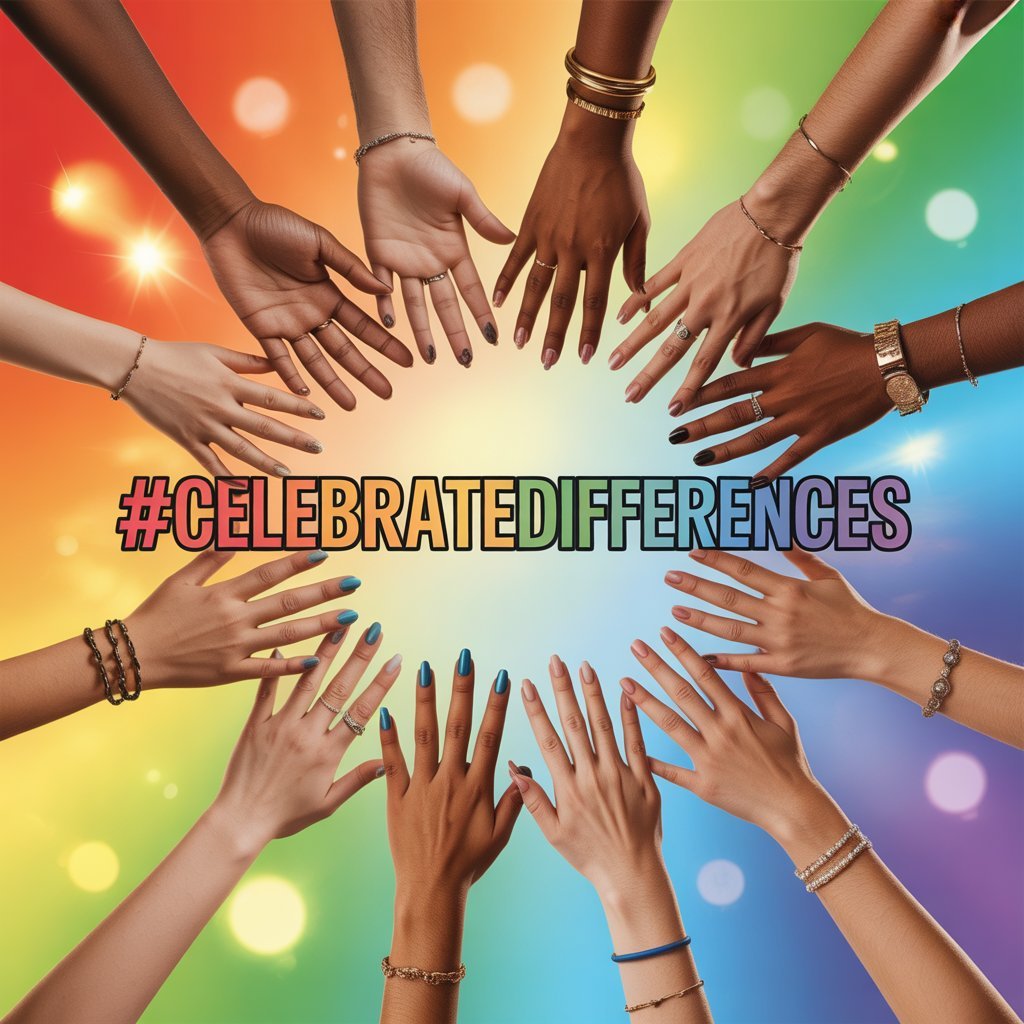
This year, the theme for Autism Acceptance Month is Celebrate Differences. And that phrase is worth sitting with for a moment. Not tolerate differences. Not manage differences. Celebrate them.
That is a fundamentally different invitation. It is asking all of us, whether we are autistic, a parent of an autistic child, an educator, an employer, or simply someone who wants to show up better, to move beyond passive awareness and into active, joyful celebration of the neurodivergent minds around us.
Social media is one of the most powerful tools available for that kind of cultural shift. A single post, a single story, a single video shared at the right moment can reach thousands of people who have never thought deeply about autism before. And when those posts come from real people sharing real experiences, they land in a way that no awareness campaign ever could.
This post is a practical guide to participating in the #CelebrateDifferences movement this April in a way that is meaningful, respectful, and genuinely impactful.
Table of Contents
What Is the #CelebrateDifferences Campaign?
Why Social Media Matters for Autism Acceptance
How to Participate as a Parent or Caregiver
How to Participate as an Educator or Professional
How to Participate as a Business or Brand
Content Ideas for Every Platform
What to Avoid When Posting About Autism
Hashtags Worth Using This April
Final Thoughts
What Is the #CelebrateDifferences Campaign?
#CelebrateDifferences is the official theme and rallying hashtag for Autism Acceptance Month 2026. It was chosen to reflect a shift in how the autism community wants to be seen, not as a group of people with deficits to be managed, but as a community of individuals whose different ways of thinking, communicating, and experiencing the world have real value.
The campaign is not owned by one organisation. It belongs to everyone who uses it with intention. Parents, autistic individuals, teachers, therapists, employers, and allies are all invited to participate by sharing content that reflects genuine acceptance and celebration rather than pity or inspiration porn.
What makes this campaign different from previous awareness efforts is the centering of autistic voices. The most powerful #CelebrateDifferences content will not be about autistic people. It will be by them, from them, and with them.
Understanding the full history of why this shift from awareness to acceptance matters so much is worth your time. The post on autism awareness vs autism acceptance covers exactly that, and it will give important context for everything you share this month.
Why Social Media Matters for Autism Acceptance
Social media gets a mixed reputation and not without reason. But when it comes to shifting cultural narratives around disability and neurodiversity, it has been genuinely transformative.
Before social media, most public conversations about autism were controlled by medical professionals, large charities, and parents. Autistic people themselves had very little platform. Social media changed that completely. Autistic adults on TikTok, Instagram, YouTube, and Twitter have built enormous communities where they share their experiences, challenge harmful narratives, and educate millions of people who would never pick up an academic paper or attend a conference.
The ripple effects of that shift are real. More people now understand what masking is. More people know why the puzzle piece symbol is controversial. More people understand that autism looks different in girls than in boys, which has historically led to massive underdiagnosis. More people know what autistic burnout feels like because autistic people described it in their own words online.
That is the power of social media done well. And this April, every post you share with intention adds to that.
According to the Centers for Disease Control and Prevention, autism affects a significant portion of the population and early identification remains critical. The more conversations happen publicly and openly, the more parents recognise signs early and seek the support their children need. If you want to know more about those early signs, the post on 7 common early signs of autism in infants and toddlers is a useful place to start and worth sharing with your own network this April.
How to Participate as a Parent or Caregiver
Parents and caregivers are some of the most credible voices in the autism conversation because they are living it every single day. Here is how to show up on social media this April in a way that feels authentic and makes a real difference:
Share your story, with boundaries: You do not have to share everything. You do not owe the internet your most painful moments. But sharing honestly about your journey, the confusion after diagnosis, the small wins, the things you wish you had known earlier, connects with other parents in ways that feel like a lifeline.
Centre your child, not your feelings about your child: There is a meaningful difference between sharing your experience as a parent and making your child's diagnosis about your own emotions. Celebrate who your child is. Share their interests, their humour, their perspective. Let them be the subject of celebration, not just the reason for your struggles.
Ask for consent: If your child is old enough to understand, talk to them before posting about them or sharing photos. Building a practice of consent from early on sets a powerful example and protects your child's dignity.
Amplify autistic voices: Some of the best content you can share this April is not your own. Reposting content made by autistic creators, sharing articles written by autistic authors, and recommending books by autistic people is one of the most effective ways to shift the conversation.
The journey from diagnosis to genuine acceptance is not always straightforward. Dropped in a Maze by Sonia Chand is an honest account of navigating that journey, the uncertainty, the wrong turns, and the hard-won moments of clarity that come from living it rather than just reading about it.
Order your copy of Dropped in a Maze here. It is the book to read and the book to gift to every parent who is just starting out on this road.
How to Participate as an Educator or Professional
Teachers, therapists, school counsellors, and other professionals working with autistic children and adults have a particular kind of influence. When you speak publicly about autism acceptance, people listen in a different way.
Here is how to use that influence well this April:
Post about inclusion in practice: Not inclusion as a concept but inclusion as something you actually do in your classroom or clinic. What does a sensory-friendly environment look like? How do you adapt communication? What does a good day look like for an autistic student? These specifics are far more valuable than general statements about believing in inclusion.
Share professional resources alongside personal reflection: Combining credible information with your own honest experience as a professional creates content that is both trustworthy and human.
Acknowledge what you are still learning: The most respected professionals in this space are not the ones who present themselves as having all the answers. They are the ones who model ongoing curiosity and willingness to be corrected by autistic people.
Avoid inspiration narratives: Content that frames autistic achievements as surprising or exceptional, the autistic child who made the sports team, the autistic adult who got a job, subtly reinforces the idea that success is unexpected for autistic people. Celebrate achievements without the undertone of surprise.
How to Participate as a Business or Brand
More businesses are recognising that neurodiversity is not just a social issue. It is a business issue. Autistic employees bring skills in pattern recognition, attention to detail, systems thinking, and focused expertise that are genuinely valuable. And autistic consumers are a significant market whose needs are often overlooked.
Here is how to participate meaningfully rather than performatively this April:
Make a real commitment, not just a post: The autism community is very good at spotting performative allyship. If your brand posts about Autism Acceptance Month but has no accessibility accommodations, no neurodiversity hiring practices, and no autistic people in the room when decisions are made, the post does more harm than good.
Share what you are actually doing: Are you auditing your hiring process for neurodiversity? Are you creating sensory-friendly spaces? Are you consulting with autistic employees on workplace adjustments? Post about that. Specifics build trust.
Partner with autistic-led organisations: If you want to do something meaningful this April, find an autistic-led charity, social enterprise, or creator and put money and platform behind them.
Feature autistic employees or customers authentically: With their full consent and genuine involvement in how they are presented, not as tokens but as people with expertise and perspective worth listening to.
Content Ideas for Every Platform
Different platforms call for different types of content. Here is a practical breakdown:
Instagram and Facebook:
Photo carousels explaining the difference between awareness and acceptance
Quotes from autistic people about what celebration means to them
Behind the scenes of what your family's or classroom's acceptance practices look like
Book recommendations including titles written by autistic authors
TikTok and Reels:
Short videos explaining autism myths vs facts
Day in the life content that shows autism without dramatising it
Responses to common misconceptions using the duet or stitch feature
Honest, unscripted reflections on the parenting or professional journey
Twitter and Threads:
Thread posts walking through one aspect of autism in depth
Amplifying and retweeting autistic creators and advocates
Joining existing conversations around #CelebrateDifferences and #AutismAcceptanceMonth
LinkedIn:
Posts about neurodiversity in the workplace
Personal stories about how autism has shaped your professional perspective
Resources for employers wanting to build more inclusive hiring practices
The podcast is a ready-made resource to share across all of these platforms. Every episode is built around the real conversations that matter most to autistic people and their families, and each one is shareable content that adds genuine value to your followers.
Listen to the podcast here and share your favourite episodes this April as part of your own #CelebrateDifferences content.
What to Avoid When Posting About Autism
Just as important as what to share is what not to share. Some well-intentioned content does real harm in the autism community. Here is what to steer clear of:
Avoid the puzzle piece symbol: Many autistic people find it offensive. The gold infinity symbol is the preferred alternative for acceptance-focused content.
Avoid "Light It Up Blue." This campaign is associated with Autism Speaks, which has faced significant criticism from autistic self-advocates. If you are lighting anything up this April, red and gold are the colours chosen by and for the autistic community.
Avoid sharing your child's most difficult moments without their knowledge or consent: Meltdown videos and distressing content shared without consent violates your child's dignity, regardless of your intentions.
Avoid framing autism as a tragedy: Language like "suffering from autism" or "autism stole my child" is deeply harmful and rejected by most autistic people.
Avoid speaking over autistic voices: If you are neurotypical and you are posting about autism, make sure autistic people are also prominent in your content. Amplify, do not replace.
The National Autistic Society offers excellent guidance on respectful language and framing for anyone who wants to get this right. It is a resource worth reading before you start posting and worth sharing with others in your network.
Hashtags Worth Using This April
Using the right hashtags makes your content discoverable to the people who need it most. Here are the ones worth including:
#CelebrateDifferences
#AutismAcceptanceMonth
#AutismAcceptance
#ActuallyAutistic (used primarily by autistic people themselves, use with care if you are not autistic)
#NothingAboutUsWithoutUs
#Neurodiversity
#AutisticJoy
#WorldAutismAwarenessDay
Final Thoughts
Social media is not going to solve every challenge the autism community faces. But it is one of the places where culture actually changes, one post at a time, one conversation at a time, one person who reads something and thinks differently afterward.
#CelebrateDifferences is not just a hashtag. It is a genuine invitation to shift the way the world sees and responds to autistic people. To stop treating difference as something to be minimised and start treating it as something that makes the world richer, more interesting, and more human.
That shift starts in small, everyday moments. It starts in the content you choose to share, the voices you choose to amplify, and the stories you choose to tell.
This April, tell the ones that matter.
And if you are looking for a place to start, Dropped in a Maze is the story of one family's journey through the autism world, told honestly, told fully, and told in a way that will make you feel less alone wherever you are on this road.
Order Dropped in a Maze here and share it with someone who needs it this April.
