

A Mother's Journey Advocating for Her Child's Autism
Table of Contents
Intro
The Challenge of Diagnosis and Early Intervention
Becoming an Advocate: A Mother’s Role
Finding Strength in Support Systems
Shifting from Deficit to Strength
Resilience Through Love and Self-Care
Looking Ahead: Hope for Drayson’s Future
Conclusion
A Mother's Journey Advocating for Her Child's Autism
Raising a child on the autism spectrum is one of those journeys that no parent can fully prepare for. One moment, you’re just trying to figure out how to support your child’s everyday needs, and the next, you’re thrown into the role of advocate—navigating doctors, schools, therapies, and systems that often feel overwhelming and confusing.
This is exactly what Drayson’s mother faced. Her story, shared on On the Spectrum Empowerment Stories, is both heart-wrenching and deeply inspiring. She opens up about the challenges of getting a diagnosis, the emotional weight of constantly fighting for support, and the resilience she discovered along the way. Through her honesty, we get a window into what so many families experience but often don’t say out loud.
In this blog, we’ll walk through some of the biggest lessons from her journey—how she faced the early struggles of diagnosis, the role of advocacy, the importance of community support, and the hope she continues to carry for Drayson’s future.
The Challenge of Diagnosis and Early Intervention
For many families, one of the hardest parts of raising a child on the autism spectrum is the beginning—the diagnosis stage. It is supposed to provide clarity, but more often, it feels like stepping into a maze without a map. Parents are faced with endless appointments, evaluations, and forms filled with unfamiliar language. Instead of answers, there are often more questions.
Drayson’s mother described this stage as one of the most overwhelming parts of the journey. She was trying to process what the professionals were saying while also managing her own emotions and concerns for her son’s future. Imagine being told different things by different specialists, or having to wait months for testing while your child’s needs grow more urgent. It is confusing, exhausting, and deeply emotional.
On top of that, there is the heavy toll it takes on parents’ hearts. Many wonder if they are doing enough, if they are missing signs, or if they are somehow to blame. These thoughts can spiral quickly, making an already difficult process even more painful.
That is why early support is so important. It is not just about interventions for the child—it is also about giving parents guidance, reassurance, and resources so they do not feel like they are carrying everything alone.
On the Spectrum Empowerment Stories episode, Drayson’s mother shared just how heavy those early stages felt. Her reminder to other families is powerful: no parent should have to go through the diagnostic process in isolation. Having the right support early on can make all the difference.
Becoming an Advocate: A Mother’s Role
When you are raising a child on the autism spectrum, you quickly realize that advocacy is not just something you do once in a while—it becomes a daily responsibility. Whether it is pushing for services in school, sitting in on therapy sessions, or navigating insurance paperwork, parents often find themselves wearing the hat of both caregiver and advocate.
For Drayson’s mom, advocacy became part of her everyday life. She had to learn how to speak up in meetings, ask the hard questions, and fight for what her son needed. That meant making sure teachers understood his challenges, that therapists were giving him the right support, and that systems designed to help were actually working for him. It was not easy, but it was necessary.
Of course, constantly being in “fight mode” takes a toll. Many parents describe the exhaustion that comes with always being on alert. Drayson’s mom admitted there were moments when she felt completely burned out, unsure if she was doing enough or if she was making the right choices. Advocacy requires so much emotional energy that it can sometimes leave parents drained and questioning themselves.
And yet, she also saw advocacy as one of the deepest acts of love she could give her child. It was her way of making sure Drayson had opportunities, access, and dignity in spaces where he might otherwise have
Finding Strength in Support Systems
One of the hardest parts of parenting a child with autism is the feeling that you are alone in it. In the beginning, many parents feel isolated—like no one else truly understands what they are going through. But something powerful happens when you start connecting with others who share similar experiences. That sense of isolation begins to lift, and in its place, you find encouragement, reassurance, and even practical tools to keep going.
For Drayson’s mom, finding support systems was life-changing. Talking to other parents who were also navigating the challenges of autism helped her realize that her struggles were not unique, and that she did not have to carry everything by herself. These conversations offered more than comfort—they gave her strategies, fresh perspectives, and sometimes just the reminder that she was not failing, she was learning.
Educators and therapists also became part of her support network. By working alongside them instead of feeling like she had to battle them, she began to see progress in Drayson’s journey. Having professionals who listened, offered guidance, and celebrated even the smallest wins made a huge difference.
Support also came through safe spaces, places where she could share openly about her fears and frustrations without judgment. This kind of community, whether in parent groups, therapy sessions, or friendships, reminded her that vulnerability could actually lead to strength.
In the podcast episode, Drayson’s mom emphasizes how crucial these allies were in keeping her grounded and hopeful. Advocacy is heavy, but when you surround yourself with people who “get it,” the journey feels lighter and more possible.
Shifting from Deficit to Strength
When a child is first diagnosed with autism, much of the focus tends to fall on what they can’t do yet. Doctors, therapists, and even schools often create long lists of deficits, things that need to be “fixed” or “improved.” While support and intervention are important, constantly framing a child this way can make both parents and children feel discouraged, as if their worth is measured only by what is missing.
Drayson’s mom shares that a turning point in her journey came when she began shifting her perspective. Instead of seeing only the challenges, she chose to notice and celebrate her son’s strengths. Every milestone, no matter how small—whether it was a new word, a small social interaction, or even progress in daily routines—became a moment of celebration. These victories reminded her that her child was growing, thriving, and capable in his own unique way.
This change in mindset also reshaped how she approached advocacy. Rather than simply fighting for services to address “deficits,” she began to push for opportunities that highlighted Drayson’s gifts and abilities. The message became clear: neurodivergent children are not broken; they are capable, gifted, and deserving of respect.
In the podcast episode, this perspective shift is described as a source of empowerment. By moving away from a deficit-based view and focusing on strengths, parents and communities can create a world where children like Drayson are seen for who they truly are—whole, valuable, and full of potential.
Resilience Through Love and Self-Care
One of the hardest truths about parenting—especially when raising a child on the autism spectrum, is that you cannot pour from an empty cup. Advocacy requires enormous strength, patience, and persistence, but it is impossible to sustain if you are constantly running on fumes. Drayson’s mom shares how she learned, often the hard way, that her resilience as a parent and advocate depended on caring for her own well-being first.
For her, love was always the driving force. The unconditional love for her child pushed her through sleepless nights, difficult meetings with schools, and moments when the system felt like it was working against her. But love alone wasn’t enough. To keep showing up with strength, she had to create space for her own self-care—whether that meant carving out moments of rest, seeking emotional support, or allowing herself to admit when things felt overwhelming.
Protecting mental health became a priority. This meant recognizing when burnout was creeping in, setting boundaries where necessary, and practicing patience with herself as much as with her child. She leaned on faith to keep her grounded, persistence to keep moving forward, and hope to remind her that even on the hardest days, progress was possible.
In the podcast, she emphasizes that advocacy is not a sprint but a marathon. Parents need to be gentle with themselves because resilience grows not only from fighting for your child but also from caring for your own heart and mind. When parents are healthier and more balanced, they are better able to create the supportive, loving environment their children need to thrive.
Looking Ahead: Hope for Drayson’s Future
Advocacy is not only about handling today’s challenges—it is about building a better tomorrow. For Drayson’s mother, every meeting with a teacher, every request for services, and every difficult conversation with professionals is more than a battle for the present moment. It is an investment in Drayson’s future. She wants to ensure that as he grows, the opportunities available to him are not limited by outdated systems or narrow perspectives.
Her hope is grounded in the belief that Drayson, like every child, has incredible potential. She refuses to let society define him only by his challenges. Instead, she envisions a world where his strengths are celebrated and where inclusive environments allow him to thrive. Whether it is in education, work, or community life, the goal is to create spaces where children like Drayson are not just accommodated but truly valued.
This vision is not only personal—it reflects a broader call for systemic change. Advocacy must shift schools, workplaces, and communities toward inclusion and empowerment, so that neurodivergent children can step into futures filled with possibility.
Conclusion
Advocacy is rarely a smooth road. It comes with sleepless nights, hard conversations, and moments where giving up feels easier. But as Drayson’s story shows, advocacy is also transformative. It changes the child who gains opportunities, the parent who grows in resilience and courage, and even the community that learns to see children with differences in a new light.
Drayson’s mother reminds us that persistence is not about never getting tired—it’s about continuing even when it’s hard, fueled by love. Advocacy is sustained not only by the parent’s determination but also by community, faith, and the belief that every child deserves to be valued for who they are.
Her journey makes one thing clear: empowerment is possible. It does not come overnight, but through patience, consistency, and the willingness to fight for a future where children on the spectrum are seen for their abilities, not just their challenges. If you want to feel the heart behind this journey, I encourage you to listen to the full episode of On the Spectrum Empowerment Stories.

Journey of Healing and Empowerment After Trauma
Table of Contents
Intro
Early Life and Feelings of Not Belonging
The Trauma That Shook Her World
Coping Through Self-Destruction
A Moment of Realization
Themes of Healing
The Role of Community and Support
Lessons Learned Along the Way
Key Takeaways for Readers
Conclusion
Journey of Healing and Empowerment After Trauma
Trauma has a way of silencing people. It can make you feel like you are carrying a weight no one else can see or understand. For many, the instinct is to keep quiet, to hide the pain, and to try to move forward without ever really facing it. Yet silence often makes the burden heavier. What begins as a way to survive can quickly become a prison of isolation, shame, and misunderstanding.
That is why stories like Caralyn Dreher’s matter so much. In her first public sharing, Caralyn opens up about experiences that shaped her life in painful but also transformative ways. From childhood struggles with identity and belonging, to the devastating trauma of sexual assault, to a season of self-destruction where alcohol and despair seemed like the only way to cope—her journey reflects the raw realities so many face but few talk about openly.
And yet, her story does not end there. What could have been the conclusion instead became a turning point. Through acceptance, accountability, and community, Caralyn began the hard work of healing. This blog will walk through her journey and highlight the powerful lessons she has learned about resilience, identity, and empowerment.
Early Life and Feelings of Not Belonging
Caralyn’s story begins long before the traumatic events of adulthood. It starts with her childhood and the way her early environment shaped how she saw herself and the world around her. She grew up in a small town in Michigan after being adopted. From the very beginning, questions of identity and belonging followed her. Adoption often comes with unspoken layers of curiosity, longing, and uncertainty, and for Caralyn those feelings were magnified by the community she grew up in.
In her town, the majority of families and children looked the same. Caralyn looked different, and she felt that difference almost every day. Being visibly different in a predominantly white community meant she often stood out in ways she did not want to. Instead of blending in with her peers, she became the target of teasing and bullying.
The bullying did not just create temporary pain, it planted early seeds of anxiety and self-consciousness. She learned quickly that people noticed her appearance before they saw her personality or her heart. That awareness began shaping how she carried herself and how safe she felt around others. Instead of building confidence in her unique identity, she developed an internal voice that often questioned her worth and belonging.
Growing up feeling “othered” also meant she had to navigate two different realities at once. On one hand, she tried to adapt and fit in, hoping that if she worked hard enough or stayed quiet enough, she would be accepted. On the other hand, she carried a growing sense that she was not truly seen or understood. These internal conflicts created an emotional tug-of-war that became part of her early life.
While many children find joy and freedom in discovering who they are, Caralyn’s childhood was shaped by a heightened awareness of difference. Over time, this laid the foundation for the struggles she would face later. Anxiety, self-doubt, and a longing to belong did not suddenly appear in adulthood. They had roots in these early years of isolation and misunderstanding.
Caralyn’s openness about this part of her story reminds us how important it is to see and affirm children who feel different. The experiences of being teased, excluded, or misunderstood can echo into adulthood if left unaddressed. For Caralyn, these echoes would influence how she navigated later challenges and shaped the way she began her path toward healing.
For deeper insights, listen to Caralyn’s testimony on the podcast.
The Trauma That Shook Her World
One of the most painful turning points in Caralyn’s journey happened during her college years. What should have been a season of learning, growing, and building lifelong memories was instead marked by an experience that left deep scars. At a party, she became a victim of sexual assault. The moment she woke up afterward, disoriented and violated, her world shifted in ways she could not fully understand at the time.
Sexual assault is not just about what happens in a single night. It often brings with it layers of confusion, self-blame, and silence. For Caralyn, the aftermath was almost as traumatic as the event itself. Instead of being met with understanding or immediate support, she felt alone and ashamed. Victim blaming—whether spoken directly or implied through silence—added to the weight she was already carrying. People sometimes ask harmful questions like, “What were you wearing?” or “Were you drinking?” rather than acknowledging the violence itself. Those subtle and not-so-subtle messages can make survivors feel as though they are responsible for what was done to them.
Caralyn struggled with these toxic narratives. Should she report the assault? Would anyone believe her? Was it safer to stay quiet and try to bury the memory? These questions circled in her mind, but none of them brought peace. Silence often feels like the only option for survivors, but it comes at a cost. For Caralyn, staying quiet meant that she carried her pain internally, with no clear outlet to process or release it.
At the same time, her story sheds light on a reality many survivors face but rarely talk about: healing is not just about recovering from what happened physically. It is about untangling the emotional impact, the questions of worth and identity, and the internalized shame that can linger long after the event itself. Caralyn’s courage in naming and sharing this experience is powerful. By speaking about her assault openly, she not only takes back her own voice but also challenges the silence that surrounds so many survivors.
Coping Through Self-Destruction
After the assault, Caralyn’s life began to spiral in ways that, at the time, felt like the only way to cope. When trauma goes unspoken and unprocessed, the pain doesn’t just disappear, it often finds outlets that are harmful or self-destructive. For Caralyn, alcohol became that outlet. It was easier to numb the emotions than to sit with them. What started as a way to escape quickly grew into a cycle she couldn’t control.
She began skipping classes, withdrawing from friends, and avoiding the places and people who reminded her of what she had endured. The girl who once tried to excel in school and make something of her college years found herself drifting, lost in the fog of emotional pain. Alcohol felt like a temporary relief, but it came with a heavy cost.
As the drinking escalated, so did the depression. Caralyn’s sense of isolation deepened. Thoughts of suicide became more frequent, not because she wanted to die, but because she desperately wanted the pain to stop. This is a reality many survivors of trauma quietly live with: the feeling of being trapped in an invisible battle no one else seems to understand.
Caralyn’s story at this stage is heartbreaking, but it’s also honest. It shows how trauma can ripple out into every corner of a person’s life, affecting mental health, education, relationships, and even physical safety. It also highlights something important—self-destructive coping mechanisms are not a reflection of weakness, but a sign of unhealed pain.
A Moment of Realization

For Caralyn, the turning point didn’t come with flashing lights or a dramatic intervention. It came quietly, in a moment of despair when she sat down to write a note to her family. At that time, she had been carrying so much pain, shame, and exhaustion from her trauma and self-destructive habits that she felt her life no longer had value. Putting those words on paper forced her to imagine what her absence would mean to the people who loved her.
As she thought about her family reading that note, something shifted inside her. Instead of seeing herself only through the lens of pain, she began to recognize the ripple effect her loss would have on others. It wasn’t just about her suffering anymore—it was about the hearts that would break if she gave up. In that quiet, vulnerable moment, she realized she still had a choice.
Caralyn chose to believe that her story could matter to someone else, even if she didn’t fully believe it mattered to herself yet. She began to consider the possibility that her pain could serve a purpose, that her life could hold meaning beyond her trauma. This was not an overnight transformation; it was the first glimmer of hope in a very dark season.
That realization became the turning point. It was the moment she decided to step off the path of self-destruction and begin the long process of healing. By acknowledging how much she still had to live for—and how deeply her absence would affect those she loved, Caralyn found a reason to fight for herself again.
Her decision to live and heal wasn’t just about survival; it was about rewriting her story. This was the moment she began to see herself not only as a victim but as someone with the potential to inspire others. And as her journey shows, even the smallest flicker of hope can be enough to light the way forward.
Themes of Healing
Healing for Caralyn did not happen in a straight line. It wasn’t a quick fix or a single decision that made everything better. Instead, it unfolded slowly through important themes that helped her rebuild her sense of self and begin to move forward.
Acceptance was one of the hardest but most freeing steps. For a long time, Caralyn wrestled with the pain of her assault and the choices she had made afterward. At first, she resisted facing the truth because it felt too heavy and overwhelming. But in time, she realized that acceptance didn’t mean approving of what happened to her or erasing the pain. It meant acknowledging her story as part of her life without letting it control or define her entire identity. This shift gave her permission to start seeing herself beyond her trauma.
Another key piece was accountability. Caralyn recognized that while she couldn’t control what had been done to her, she did have control over her own recovery. She began taking ownership of the next steps in her healing journey. That meant confronting unhealthy habits, choosing better coping mechanisms, and committing to her personal growth, even when it was uncomfortable. Taking accountability wasn’t about blame—it was about reclaiming her power.
Finally, connection became the lifeline she didn’t know she needed. Isolation had fueled her pain, but opening up to therapy, forming genuine friendships, and slowly allowing people into her world helped her feel less alone. Through these connections, Caralyn discovered the healing power of being seen and supported. Each relationship, whether with a counselor or a trusted friend, reminded her that she was not defined by what had
The Role of Community and Support
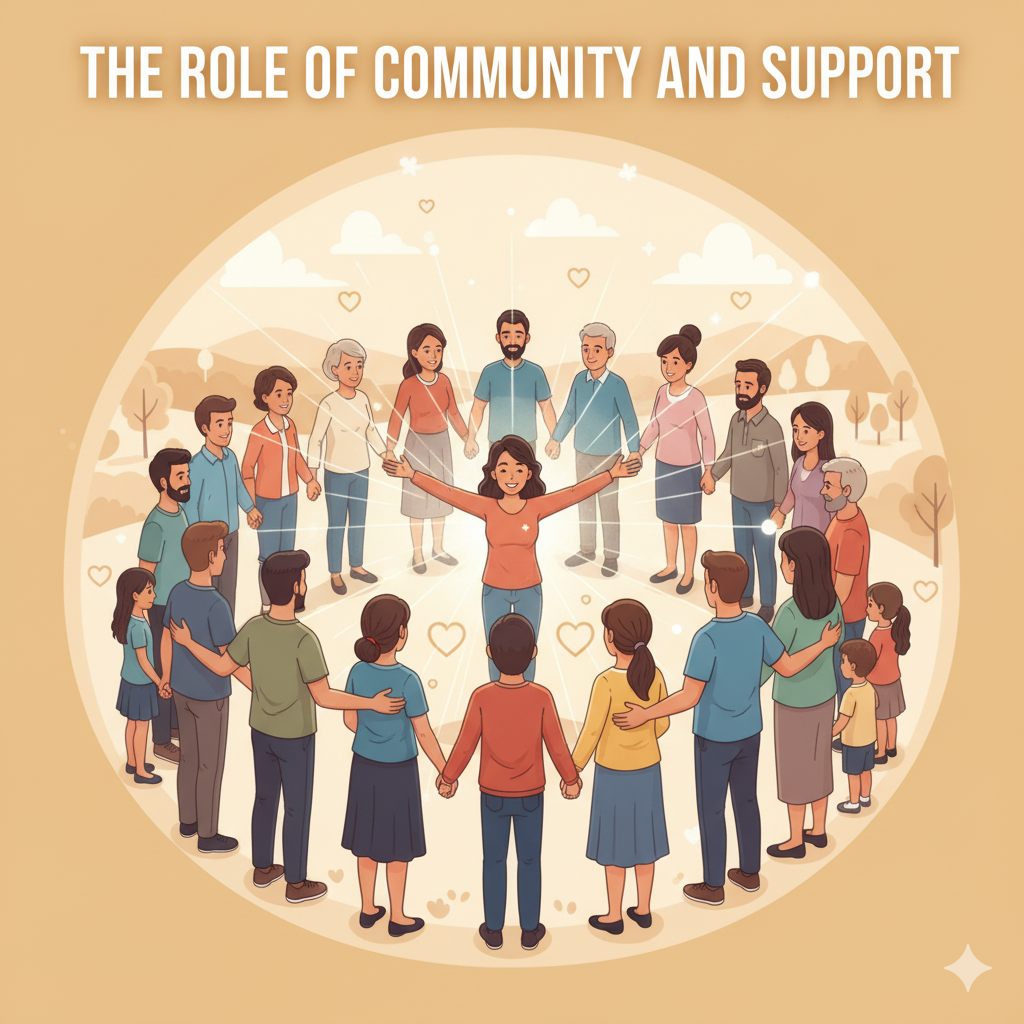
One of the most powerful lessons in Caralyn’s story is that healing doesn’t happen in isolation. For years, she tried to carry the weight of her trauma alone. She kept her pain hidden, believing no one would understand or that speaking up would only bring more judgment. But the turning point came when she realized that silence was only keeping her stuck. Opening up to safe people became the first step toward real change.
Safe spaces were essential. Whether it was in therapy sessions or with trusted friends, Caralyn found places where she could speak honestly without fear of being blamed or dismissed. These spaces allowed her to let go of shame and begin to process her experiences with compassion. They reminded her that she was not alone and that her story was worth being heard.
Therapy and healthy friendships also played a huge role in breaking the cycle of isolation. Having people who could listen without judgment and encourage her forward gave her strength on days when hope felt far away. Each supportive relationship became a reminder that trust, though fragile, could be rebuilt.
Learning to trust again didn’t happen overnight. It took time, patience, and small steps of vulnerability. But slowly, Caralyn discovered that letting people in was not a weakness, it was a vital part of her healing. Through community, she found validation, encouragement, and the courage to keep moving forward.
Lessons Learned Along the Way
Caralyn’s journey wasn’t just about surviving trauma, it was about discovering deep truths that continue to guide her today. Healing brought valuable lessons that anyone walking through pain can take to heart.
First, it’s okay to be careful about who you trust. For a long time, Caralyn felt burned by people who judged or dismissed her story. That taught her to protect her heart and choose wisely where to share her vulnerabilities. Trust is precious, and it should be given to those who earn it with kindness, consistency, and respect.
Second, other people’s definitions of you don’t determine your worth. Growing up as an adoptee in a community where she felt different, and later being blamed after her assault, Caralyn had plenty of voices telling her she was “less than.” But she learned to stop measuring herself by those standards. Your value isn’t based on what happened to you, or what others say about you, it comes from who you are at your core.
Third, healing is non-linear. Caralyn admits there were days she felt strong and hopeful, followed by days when the weight of her past hit her all over again. That doesn’t mean failure. It’s simply part of the journey. Real growth allows space for setbacks and the patience to keep trying.
Finally, courage comes from speaking your truth. For years, shame kept her silent. But when she began telling her story, she found not only freedom for herself but also encouragement for others who were struggling. Her voice became a bridge of hope.
These lessons remind us that healing isn’t about erasing pain—it’s about reclaiming power, one step at a time
Key Takeaways for Readers
Caralyn’s journey is powerful because it reminds us that trauma doesn’t have to be the end of the story. For anyone who has faced pain, isolation, or shame, her experiences point to truths that can guide you toward healing and empowerment.
1. Trauma may shape your story, but it does not erase your worth
What happened to you may always be a part of your history, but it doesn’t define your value as a person. Caralyn’s story proves that even after experiences of rejection, abuse, and pain, your worth remains intact. Healing often begins when you stop identifying yourself only through your wounds.
2. Silence and shame hold people back—sharing can break stigma
Caralyn stayed quiet for years, weighed down by the shame of her assault and her coping choices. When she finally began to speak, she not only lightened her own burden but also gave others permission to step forward with their truths. Sharing is powerful because it chips away at the stigma that keeps so many suffering in isolation.
3. Healing requires acceptance, accountability, and community
Real healing isn’t about pretending the trauma never happened—it’s about accepting it, taking ownership of your recovery, and surrounding yourself with people who genuinely support you. Caralyn’s progress accelerated when she leaned into therapy, friendships, and safe spaces where she could rebuild trust.
4. It’s possible to move from survival to empowerment
In the beginning, Caralyn was just trying to make it through each day. Over time, she found ways to reclaim her voice and use her story as a tool for good. Her transformation shows that the shift from merely surviving to fully living is possible, even after deep pain.
5. Your story may be the encouragement someone else needs
Caralyn realized that her willingness to speak openly could inspire others to face their own struggles with courage. You never know who might find hope in your story, but your honesty could be the very thing that helps someone else keep going.
At its core, her journey reminds us that healing is not about perfection, it’s about progress, courage, and connection.
Conclusion
Caralyn’s story is a powerful reminder that trauma does not get the final word. Yes, the pain and scars are real, but so is the possibility of healing. What she experienced in her childhood, in college, and in the years of self-destruction could have broken her spirit permanently. Instead, she chose the hard road of healing—facing her wounds, learning to trust again, and embracing her worth.
Her journey shows us that recovery is never quick or perfect. Some days will be heavy, and setbacks will happen. But resilience is built in those small, honest steps forward—through choosing connection over isolation, speaking your truth instead of staying silent, and holding onto hope even when it feels far away.
If Caralyn’s journey speaks to you, catch the full conversation with Caralyn on On the Spectrum Empowerment Stories.

How to Uncover the Real You
Table of Contents
Intro
Living a Double Life
Root Causes: Trauma and Codependency
The Breaking Point
Facing the Past in Recovery
From Survivor to Advocate: Building SoberBuzz
Lessons from Joshua’s Journey
Conclusion
How to Uncover the Real You: Joshua’s Story
Addiction is often hidden in plain sight. On the outside, someone can look like they have everything together - a great career, financial stability, and even admiration from others. But behind closed doors, the story can be very different.
That was the reality for Joshua Case. As a high-ranking executive, he appeared successful and in control. Yet privately, he was struggling with alcohol addiction, carrying pain that few could see. His journey reminds us that success does not shield anyone from inner battles.
In this post, we’ll walk through Joshua’s story of trauma, addiction, and the hard work of recovery. More importantly, we’ll see how he turned his pain into a mission to encourage and empower others.
Living a Double Life

On the surface, Joshua’s life looked like a success story. He held the position of Vice President at a Fortune 500 company, a role that many people would view as the ultimate achievement. His career title came with respect, financial security, and the impression that he had everything under control. To colleagues and acquaintances, he was living the dream.
But behind that polished image, a very different reality was unfolding. Joshua was caught in the grip of alcohol abuse. His drinking wasn’t just casual or social, it became a way to cope with the doubts, fears, and unresolved pain he carried inside. No matter how much success he achieved professionally, he struggled to feel at peace within himself.
This contrast between how things looked on the outside and how they felt on the inside is what makes his story so powerful. It’s a reminder that outward success does not always reflect emotional health or personal stability. Many people wear masks of confidence and achievement while quietly battling issues like addiction, trauma, or self-doubt.
Joshua’s experience highlights the importance of looking deeper than appearances. True well-being isn’t measured by titles, salaries, or social recognition. It is about inner stability, self-acceptance, and the ability to face life without relying on destructive coping mechanisms.
To hear Joshua share his journey in his own words, listen to the full episode of On the Spectrum Empowerment Stories here.
Root Causes: Trauma and Codependency
To really understand Joshua’s struggle with addiction, you have to look back at where it started. Like many people who battle substance abuse, his pain had roots in childhood. He experienced trauma at a young age, including abuse, and those early wounds shaped how he saw himself and the world around him. When children grow up in environments marked by fear, instability, or mistreatment, it often leaves scars that can last well into adulthood.
As Joshua got older, those unhealed wounds carried into his relationships. He often found himself in patterns of codependency, where his sense of worth depended on others. Instead of building relationships based on mutual respect and trust, he slipped into dynamics where pleasing others and seeking validation came at the cost of his own well-being. These patterns only deepened the emotional pain he was already carrying.
Another powerful layer of his struggle was shame. Instead of talking openly about what he had been through, he kept silent. That silence became heavy, creating a cycle where the less he spoke about his struggles, the more isolated he felt. Addiction often thrives in secrecy, and in Joshua’s case, the shame around his past and his coping mechanisms only made it harder to break free.
By looking at his trauma, codependency, and silence, it becomes clear that addiction wasn’t simply about alcohol. It was about trying to numb deep wounds and avoid emotions he didn’t know how to process. His story reminds us that healing starts with facing the root causes, not just the symptoms.
The Breaking Point
For Joshua, life carried on in a painful cycle until he reached what many call “rock bottom.” After moving to Florida, his drinking and inner struggles caught up with him in a very public way—he was arrested. That moment became impossible to ignore. All the years of pushing down emotions, numbing with alcohol, and trying to keep up the image of success came crashing into reality.
It was more than just the arrest itself. It was the recognition that he could no longer manage life the way he had been. The double life he had been living—polished executive on the outside, broken and drowning on the inside—was no longer sustainable. Something had to change.
Hitting rock bottom is often described as the lowest point in someone’s journey, but it can also be the turning point that sparks transformation. For Joshua, that moment was not just about humiliation or pain, but about clarity. It stripped away the illusion that he could keep going like before. Instead, it opened the door to a new possibility: the chance to rebuild, heal, and live differently.
His breaking point became the foundation of a new beginning. It showed him, and reminds all of us, that even in our lowest moments, there is room for hope and growth. Sometimes, it takes falling apart for us to finally start putting the pieces back together.
Facing the Past in Recovery
For Joshua, recovery truly began when he stepped into rehab. It was not just about stopping drinking—it was about facing the deeper wounds he had been carrying for years. Rehab became the place where he could finally slow down, strip away the distractions, and begin to confront the truth about his past.
One of the hardest but most necessary parts of healing was acknowledging unresolved trauma and family dynamics. Childhood abuse, painful memories, and toxic relationship patterns had shaped the way he saw himself and the choices he made as an adult. For years, alcohol had been his escape, but in recovery he realized that the bottle was never the real problem—it was a symptom of much deeper pain.
In that space of healing, Joshua also had to learn the difference between healthy and unhealthy relationships. Codependency and toxic connections had fueled his struggles, but now he was beginning to see what respect, boundaries, and real support could look like. This shift was crucial, because recovery is not just about removing alcohol—it is about rebuilding a healthier way of living and connecting with others.
This blog only scratches the surface. Hear Joshua’s full story on On the Spectrum Empowerment Stories with Sonia Krishna Chand. Perhaps the biggest revelation was understanding that addiction goes far beyond the substance itself. It is often tied to emotions, unmet needs, and unhealed trauma. Facing those truths was not easy, but it was the first step toward freedom. Joshua’s recovery journey shows that real healing requires looking inward, addressing the roots of the struggle, and finding new ways to meet the needs that alcohol could never truly fill.
From Survivor to Advocate: Building SoberBuzz
One of the most powerful parts of Joshua’s story is how he turned his pain into purpose. After years of struggling silently with alcohol addiction, he knew he never wanted anyone else to feel as alone as he once did. This desire to create change led to the birth of SoberBuzz.
At first, SoberBuzz started as a small idea—a safe space where people could openly talk about addiction, sobriety, and recovery without fear of judgment. Joshua wanted it to be more than just another social media page; he wanted it to be a community where people could find encouragement, support, and a reminder that they are not defined by their struggles.
What began as a personal project soon grew into something much bigger. Today, SoberBuzz has connected with over 90,000 people worldwide, creating a movement of individuals who are walking the journey of recovery together. This global reach reflects how deeply people crave authentic spaces where vulnerability and healing are embraced.
The mission of SoberBuzz is clear: to break the stigma surrounding addiction, to remind people that sobriety is not about shame but about empowerment, and to offer practical tools for living free. Whether it is through motivational posts, shared stories, or resources for sober living, the platform continues to be a lifeline for many who might otherwise feel lost in their struggle.
Joshua’s transition from survivor to advocate shows the incredible ripple effect of healing. When one person chooses to rise above their pain and share their truth, it opens the door for countless others to do the same. SoberBuzz is not just his story—it has become a collective voice for hope and change.
Lessons from Joshua’s Journey
Joshua’s story is more than just one man’s experience with addiction—it is filled with lessons that anyone facing struggles can take to heart. His journey shows us that recovery and transformation are possible, but they start with honesty, courage, and a willingness to look deeper than the surface.
1. If you think you have a problem, you probably do
So many people brush off that inner voice that whispers, “Something isn’t right.” Joshua admitted that for years he told himself he had things under control because he was successful in his career. But the truth is, if you’re questioning whether alcohol, substances, or any unhealthy habit has too much power in your life, chances are it does. Listening to that inner nudge early can save years of pain.
2. Don’t ignore the warning signs
Addiction and mental health struggles rarely appear overnight. There are usually small signals—changes in behavior, strained relationships, slipping responsibilities, or growing isolation. Joshua’s experience shows that ignoring these signs only makes the situation harder to face later. Acknowledging them early is not weakness; it’s wisdom.
3. True recovery means addressing the “why.”
Addiction is rarely just about the substance itself. For Joshua, it was deeply connected to trauma, shame, and codependent relationships. He had to go beyond simply removing alcohol from his life and face the emotional wounds driving the behavior. Real healing comes when you deal with the root causes, not just the symptoms.
4. Progress is always possible
Joshua reminds us that setbacks don’t erase progress. Recovery is a journey, not a straight line. There will be challenges, relapses, and days when hope feels far away. But as his story proves, persistence pays off. Choosing to get up again, even after failure, is what leads to long-term transformation.
At its core, Joshua’s journey teaches that no one is beyond hope. Whether you are struggling with addiction, mental health, or simply trying to break free from old patterns, change begins the moment you admit there is more for your life. His story is a reminder that progress, even slow progress, is still progress—and it’s always worth fighting for.
If this part of Joshua’s journey resonates with you, you’ll gain even more encouragement by listening to the complete podcast episode.
Conclusion
At the heart of Joshua’s story is a simple but powerful truth: recovery is not just about giving up alcohol, it’s about uncovering the real you that has been buried beneath years of pain, trauma, and silence. His journey reminds us that addiction does not define your identity—it is a chapter in your story, but not the whole book.
Even in the darkest moments, when it feels like life has reached a breaking point, there is still hope for healing and transformation. Joshua’s experience proves that the rock bottom you fear may actually become the foundation for a brand-new beginning. By choosing honesty, seeking help, and leaning into community, he was able to replace shame with purpose and build something bigger than himself.
For anyone who has ever struggled with self-doubt, trauma, or the weight of addiction, Joshua’s journey is living proof that change is possible. Recovery is not quick, and it is not perfect, but it is real and it leads to freedom.
If his story resonates with you, listen to the full episode of On the Spectrum Empowerment Stories. Hearing Joshua share his experiences in his own voice brings a level of wisdom, authenticity, and encouragement that words on a page can only begin to capture.

How to Stay Resilient
Table of Contents
Intro
The Accident That Changed Everything
The Coma Experience: Listening While Unconscious
Returning to Life and Education
Memory Struggles and Coping Mechanisms
Facing Stigma and Negative Attitudes
Finding Empowerment Through Coaching
Healing as a Lifelong Process
Choosing Openness and Inspiring Others
Conclusion
How to Stay Resilient
When we hear about brain injuries, most of us think of them as something devastating that completely turns life upside down. And while that’s true, what often gets overlooked are the incredible stories of resilience and strength that come out of such experiences.
Back in 2001, Shannon’s life changed in an instant after a serious car accident left her in a coma. She underwent brain surgery, lost part of her memory, and had to rebuild her life step by step. What could have been the end of her dreams instead became the beginning of a powerful journey—one marked by courage, healing, and eventually, empowerment.
In this blog, we’ll walk through Shannon’s story: the accident that changed everything, the struggle of relearning daily skills, the weight of stigma, and how she turned her pain into a purpose by helping others.
And if you’d like to hear her share this inspiring journey in her own words, make sure to check out the full episode of On the Spectrum Empowerment Stories.
The Accident That Changed Everything
In December 2001, everything in Shannon’s life shifted in a matter of seconds. A car accident left her badly injured and unconscious, her body thrown from the vehicle. What followed was a blur for her but a nightmare for her loved ones.
Shannon slipped into a coma that lasted two weeks. Doctors had to perform brain surgery, removing about a quarter of her brain just to save her life. The situation was so serious that survival itself was uncertain. And even if she did survive, the big questions remained: What would her quality of life look like? Would she ever walk, talk, or live independently again?
This moment became a dividing line in Shannon’s life. Before the accident, she had dreams and routines like anyone else. After the accident, she faced an entirely new reality—one that required strength, patience, and resilience she didn’t yet know she had.
Her story from this point forward is not just about survival but about how she slowly rebuilt her world, piece by piece, despite the odds stacked against her.
The Coma Experience: Listening While Unconscious
One of the most striking parts of Shannon’s story is what she remembers from her two-week coma. Many assume that people who are unconscious cannot hear or process what is happening around them, but Shannon’s experience challenges that belief.
She recalls hearing the voices of people in the room. The positive encouragement—words of love, faith, and hope—gave her strength and a determination to fight for her life, even though she could not respond. At the same time, the negative or dismissive comments left deep emotional scars that stayed with her long after she woke up.
This powerful part of Shannon’s journey reminds us that words truly matter. Even in moments when it seems like someone cannot hear or understand, the human spirit may still be listening. Whether it is a patient in a coma, someone in the hospital, or a loved one going through a difficult season, the things we say can either build them up or break them down.
Returning to Life and Education
Coming out of a coma and surviving brain surgery was just the beginning of Shannon’s journey. The real challenge started when it was time to rebuild her life from the ground up. She had to go through intense rehabilitation, including physical therapy to help her walk again and speech therapy to rebuild her ability to communicate. Even basic things, like remembering details or forming sentences, had to be relearned step by step.
What makes Shannon’s story so powerful is her determination not to let the injury define her future. After missing just one semester of college, she returned to the classroom. It wasn’t easy. Every assignment, every test, and even just keeping up with the pace of learning came with extra hurdles. Yet she pressed forward. Eventually, she earned her bachelor’s degree, proving to herself and others that she could achieve what once felt impossible.
But she didn’t stop there. Driven by a passion for learning and helping others, Shannon went back for a second degree in education. This milestone wasn’t just about academics—it was about reclaiming her identity and showing that even after such a life-altering event, growth and success are still possible.
Memory Struggles and Coping Mechanisms
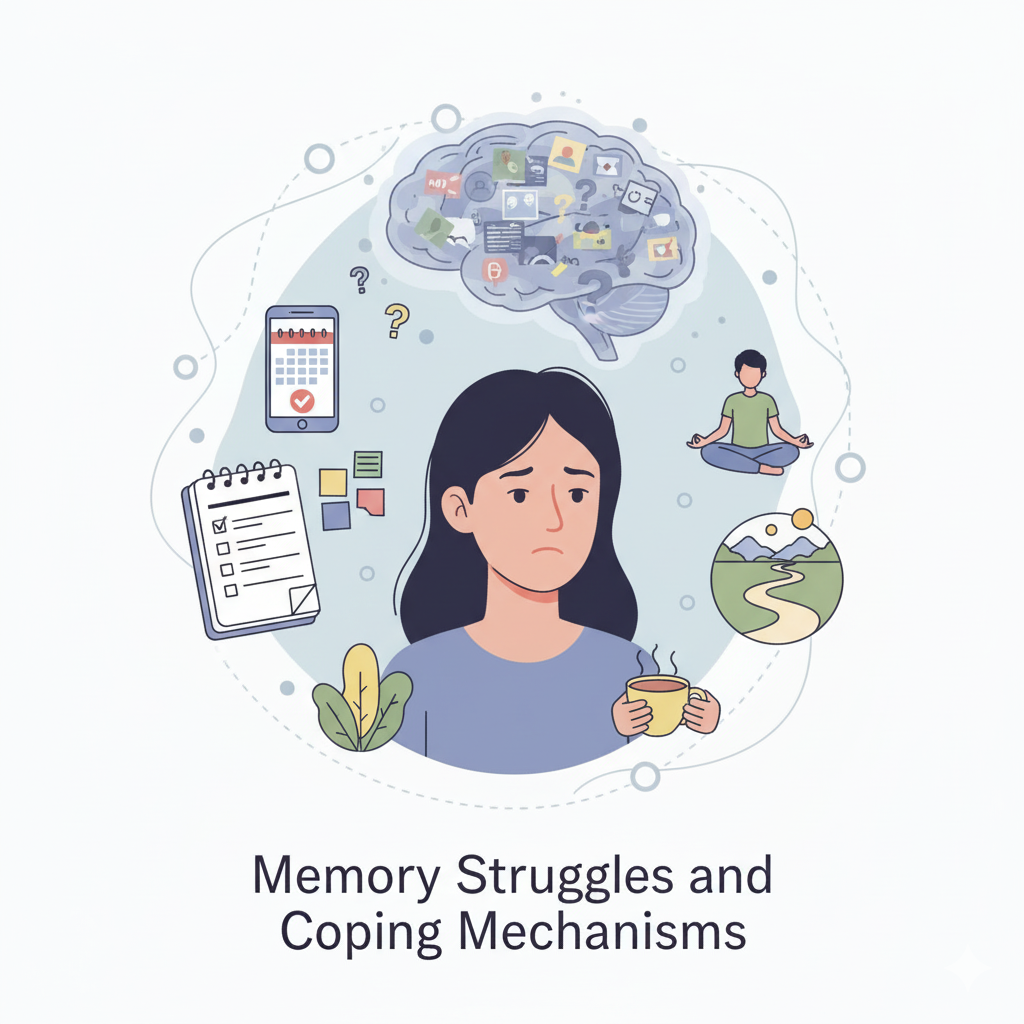
One of the biggest challenges Shannon faced after her brain injury was with her memory—especially short-term memory. Everyday tasks that many of us take for granted, like remembering a conversation, keeping track of assignments, or recalling small details, suddenly became uphill battles. This wasn’t just frustrating; it could also feel discouraging, as if her mind was no longer working the way it once did.
But Shannon refused to give up. Instead, she began developing strategies to work around these challenges. Repetition became her best friend—going over information multiple times until it stuck. She leaned heavily on note-taking, writing things down so she could refer back to them instead of trying to rely on memory alone. Reading and practicing information over and over helped build knowledge retention, little by little.
She also built consistent routines into her daily life. By creating patterns—doing the same things at the same times—she gave her brain anchors to hold onto, which strengthened her ability to recall and feel in control again.
Over time, these coping mechanisms didn’t just help her manage; they helped her rebuild confidence in her cognitive abilities. What once felt like a limitation became an opportunity to grow stronger, proving that persistence and adaptation can make all the difference.
Facing Stigma and Negative Attitudes
For Shannon, healing after her brain injury wasn’t only about physical recovery, it was also about navigating the invisible weight of stigma. Beyond the scars, the speech changes, and the memory lapses, she often felt pressure to hide the parts of her journey that didn’t fit into society’s idea of “normal.”
What made things harder were the assumptions from others. Some professionals underestimated her abilities. Family members, though often well-meaning, didn’t always understand the depth of her struggles. Strangers could be quick to judge when they noticed her speech or when she forgot something in conversation. These moments cut deep, reinforcing an internal conflict: the pull between feeling “less than” and striving to prove her worth in a world that often failed to see her strength.
Shannon’s story shows how damaging these attitudes can be. When society focuses on limitations instead of resilience, it slows recovery and undermines confidence. But she also proves that overcoming stigma is possible. By owning her story instead of hiding it, Shannon continues to challenge stereotypes and remind others that healing is more than just survival, it’s about reclaiming dignity and self-worth.
Finding Empowerment Through Coaching
After years of recovery, Shannon reached a powerful realization: her story wasn’t just about survival, it was about transformation. Instead of letting her brain injury define her, she chose to use it as fuel to inspire others. This decision led her to become a certified life coach—a role that allowed her to turn pain into purpose.
Through coaching, Shannon focuses on mindset as a key tool for healing. She emphasizes the importance of positive self-talk, because the way we speak to ourselves often shapes how we see our challenges. She also encourages emotional honesty—acknowledging both the hard days and the victories—and the practice of staying present, which helps reduce overwhelm and anxiety about the future.
Her clients include people recovering from trauma, injury, and life’s setbacks. Shannon doesn’t just offer advice; she offers proof. By openly sharing her journey—coma, surgery, memory struggles, stigma—she shows that growth is not only possible but also sustainable. Her message is simple but powerful: what once felt like an ending can become the beginning of a more meaningful life.
Healing as a Lifelong Process
One of the most powerful truths Shannon shares is that healing doesn’t have an endpoint. Recovery after a brain injury is not about crossing a finish line; it is about learning how to keep moving forward, even when the path feels uncertain. She acknowledges that there are still ups and downs, and that setbacks are not failures, they are simply part of the journey.
For Shannon, progress became more important than perfection. Instead of expecting to be “back to normal,” she began celebrating small wins: a successful memory exercise, a moment of confidence, or even the courage to rest when needed. These steps, while small on their own, built a foundation for long-term resilience.
She also highlights the role of community support in this process. Friends, mentors, and peers provided encouragement, reminded her of her worth, and helped her stay grounded when self-doubt crept in. Surrounding yourself with people who believe in you can make all the difference when healing feels slow.
Shannon’s perspective normalizes the idea that recovery is never a straight line. There will be moments of strength and moments of struggle, but both are valuable. What matters is the willingness to keep going, to lean on others, and to trust that growth takes time.
Choosing Openness and Inspiring Others
For a long time, Shannon carried the weight of shame and secrecy. She avoided telling people about the brain surgery that had removed a quarter of her brain, fearing judgment or pity. But eventually, she reached a turning point: instead of hiding, she chose to be open.
Sharing her story out loud became an act of liberation. By admitting what she had been through—the coma, the surgery, the memory struggles—she was no longer defined by silence or stigma. Instead, she embraced authenticity, realizing that her experiences were not weaknesses to hide but strengths that could inspire others.
This openness created a ripple effect. People began to see not just her challenges, but her courage. Her willingness to be honest encouraged others to open up about their own struggles, whether related to illness, trauma, or personal setbacks. In that way, Shannon’s journey became more than her own; it became a source of light for others walking through dark times.
Her message is simple but powerful: empowerment does not come from pretending everything is perfect. It comes from facing your story with honesty, letting go of shame, and using your journey to remind others that they, too, are capable of resilience.
Conclusion
Shannon’s story is living proof that resilience is not about avoiding hardship, but about rising through it. A brain injury, a coma, and years of rehabilitation could have defined her by limitation, but instead she chose empowerment and purpose. Her journey reminds us that even in the face of devastating challenges, healing and growth are possible.
The truth is, recovery is not a straight line. It takes courage, patience, and a willingness to embrace both the struggles and the small victories along the way. By sharing her truth openly, Shannon not only freed herself from shame but also created a light for others walking through their own seasons of darkness.
If you or someone you love is facing similar challenges, let Shannon’s story remind you: progress is possible, resilience is real, and your story matters.
Listen to the full episode of On the Spectrum Empowerment Stories with Sonia Krishna Chand.

Practical Ways to Manage Bipolar Disorder
Table of Contents
Intro
Early Life and Identity
First Signs of Bipolar Disorder
Stigma, Denial, and Mental Health Awareness
Living with Mood Fluctuations
The Power of Support and Community
Practical Management and Self-Awareness
Hope and Empowerment Moving Forward
Key Lessons for Readers
Conclusion
Practical Ways to Manage Bipolar Disorder
Bipolar disorder is one of those conditions that is often misunderstood. For many, especially within communities where faith and cultural expectations are deeply rooted, talking about mental health can feel uncomfortable or even taboo. Questions like “Does struggling with your mind mean your faith isn’t strong enough?” or “What will people think?” often create layers of stigma that make healing harder.
In this blog, we’ll be looking at the story of Sarah, who openly shares her journey of navigating life with bipolar disorder. Her experience shines a light on the challenges of receiving a diagnosis, confronting stigma, and finding ways to reconcile her faith with her mental health.
Through her story, we’ll explore some powerful lessons about resilience, the importance of community support, and how hope can still flourish even in the midst of struggle.
Early Life and Identity
Sarah’s story begins in Brooklyn, where she grew up in a faith-based household shaped by rich Caribbean traditions. Church life, spirituality, and the values of resilience and hard work were at the center of her upbringing. In many ways, this foundation gave her strength, but it also came with high expectations.
From an early age, Sarah was taught to be strong, independent, and self-reliant. These values were deeply respected in her family and culture, but they also created pressure to always appear put together and capable. Admitting to struggles, especially around mental health, was rarely part of the conversation. Instead, the unspoken message was to keep moving forward, pray harder, and stay resilient no matter what.
This environment shaped her identity and how she saw herself in the world. While it instilled important qualities like discipline and perseverance, it also made it harder to acknowledge when she was struggling internally. The tension between cultural strength and personal vulnerability would later become a key theme in her journey with bipolar disorder.
In the podcast episode, Sarah reflects on how this upbringing influenced her perspective and how those early lessons about faith and resilience later collided with her mental health challenges. Listening to her story offers valuable insight into how cultural identity can both support and complicate the journey toward healing.
First Signs of Bipolar Disorder

The first signs of bipolar disorder often show up quietly, and at first, they can be mistaken for simply having extra energy or going through a stressful season. For Sarah, the changes began around late 2020. She experienced racing thoughts that made it nearly impossible to slow down. Sleep became less and less important as bursts of energy and creativity kept her awake through the night. On the surface, this period might have looked productive or even exciting, but underneath, her mind and body were being pushed to their limits.
As time went on, these symptoms escalated into something much harder to manage. What started as sleepless nights and busy thoughts developed into a severe manic episode. The constant rush of ideas, the inability to rest, and the overwhelming intensity of her emotions reached a point where hospitalization became necessary. It was a frightening and life-altering experience, one that brought her face-to-face with the reality that something deeper was happening with her mental health.
The eventual diagnosis of bipolar disorder marked a turning point. For Sarah, it was both a moment of shock and clarity. On one hand, receiving a diagnosis meant having to reevaluate her life, her identity, and even her priorities. On the other hand, it provided a name for what she was experiencing, a framework that helped her begin to understand her struggles instead of feeling consumed by them.
This moment of recognition was not the end of the journey but the beginning of learning how to navigate bipolar disorder while staying true to her values, her faith, and her sense of self.
Stigma, Denial, and Mental Health Awareness
Receiving a bipolar diagnosis can feel overwhelming. For Sarah, the initial response was shock, followed quickly by denial. The label felt heavy, almost impossible to accept, because it clashed with the identity she had built growing up in a faith-centered and culturally strong household. Like many others, she hoped that maybe it was just stress, exhaustion, or something temporary that would eventually pass. Accepting that this was a long-term condition felt frightening.
Her personal struggle with denial reflected a bigger issue: the stigma surrounding mental health, particularly within communities of color and faith circles. Too often, conversations about mental illness are brushed aside, silenced, or misunderstood. Struggling mentally can sometimes be seen as a weakness, or worse, as a lack of faith. Instead of being encouraged to seek help, many are told to “pray harder” or “be stronger.”
For Sarah, these misconceptions created a deep conflict. She had been raised to believe in resilience and unwavering faith, but now she found herself battling an illness that could not simply be prayed away. This tension made it harder for her to accept her condition and made her feel isolated in her experience.
Yet, her story also reveals the importance of raising mental health awareness. By speaking openly about her struggles, she challenges the stigma that keeps so many people silent. Her journey shows that faith and mental health are not enemies. In fact, acknowledging the reality of mental illness is a powerful step toward healing, growth, and living a life that integrates both faith and wellness.
Living with Mood Fluctuations
One of the most difficult realities of bipolar disorder is learning to live with the constant shifts in mood. Sarah described how her life often felt like a roller coaster. At times, she would experience incredible highs—periods of hypomania or full mania—where her energy was boundless, her creativity surged, and she felt like she could take on the world. These moments felt powerful, almost intoxicating, but they also came with risks. Sleepless nights, racing thoughts, and impulsive decisions eventually left her exhausted and unstable.
On the other side of the spectrum came the lows—episodes of depression that were just as consuming. During these periods, even the simplest tasks felt overwhelming. Her confidence would plummet, relationships grew strained, and her education was repeatedly disrupted as she struggled to keep up with responsibilities while managing her mental health. These cycles created instability that left her questioning not only her capabilities but also her identity.
What Sarah learned, however, is that ignoring these mood fluctuations only made things worse. Denial or pushing through without acknowledging what was happening led to burnout and setbacks. By beginning to accept and recognize the patterns of her condition, she found a starting point for building healthier coping strategies. Acknowledging the shifts gave her power, it allowed her to anticipate challenges, lean on her support system, and practice the self-awareness needed to bring some balance into her life.
Her experience reminds us that living with bipolar disorder does not mean erasing mood changes; it means understanding them and learning to respond with compassion and intention.
The Power of Support and Community
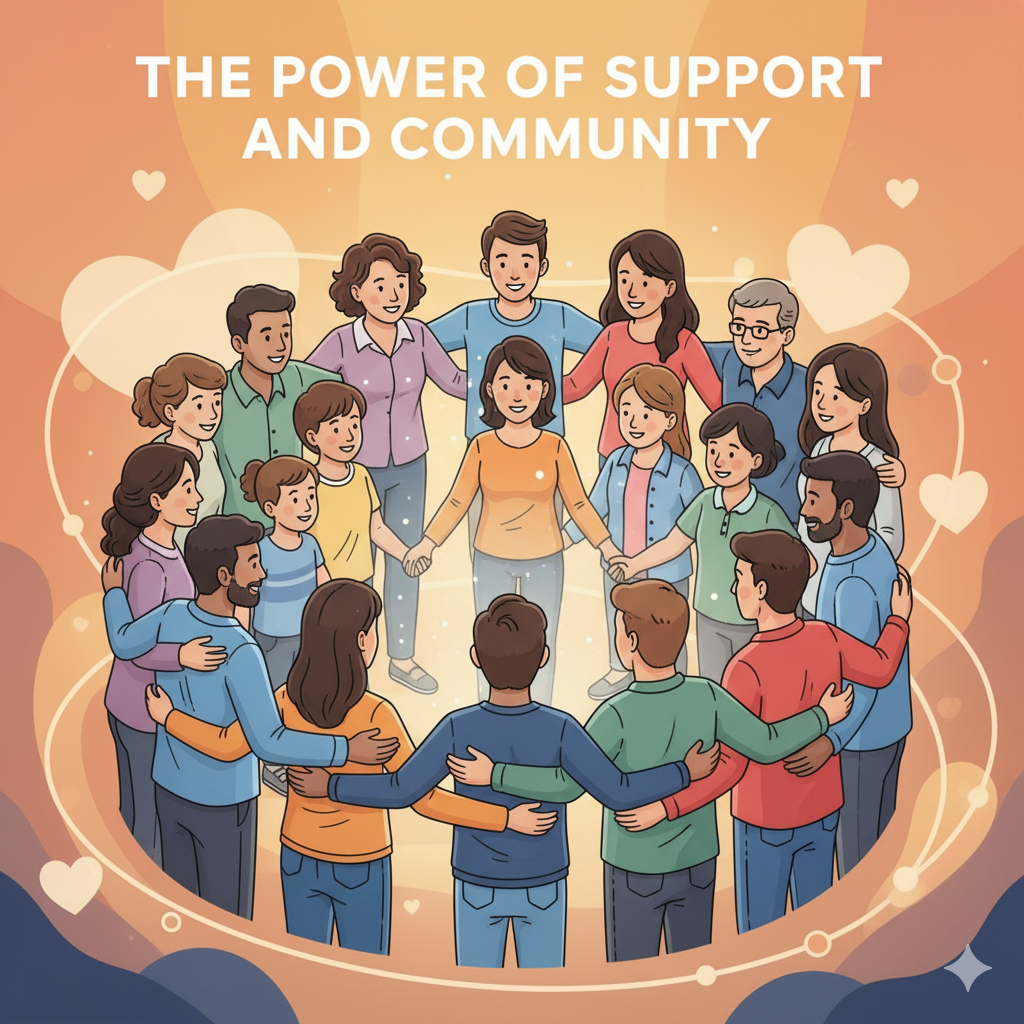
Living with a mental health condition like bipolar disorder can sometimes feel isolating, especially when stigma and misunderstanding are present. But Sarah’s journey shows how powerful it is to have people in your corner who remind you of your worth. Friends, mentors, and family members became lifelines for her, offering encouragement on the days she felt weighed down by shame or uncertainty. Instead of judging her, they chose to affirm her identity and remind her that she was more than her diagnosis.
Community played a vital role in shifting her perspective. When you feel seen and validated, the loneliness of living with a condition like bipolar disorder begins to lift. Simple things—a conversation where someone listens without judgment, a mentor reminding you of your potential, or family members offering love without conditions—can ease the heaviness of carrying both the symptoms and the stigma. For Sarah, these moments of connection created safe spaces where she could begin to heal and rebuild her confidence.
The truth is, support systems are not just “nice to have.” They are essential for balance and stability. They remind us that we do not have to face the challenges of mental health alone. When loved ones show up with compassion, they help shoulder the weight of diagnosis and empower us to keep moving forward with hope.
Practical Management and Self-Awareness
One of the most important steps in Sarah’s journey was learning that living with bipolar disorder requires active self-awareness and practical strategies. Healing is not about a quick fix but about creating tools and routines that make everyday life more stable and manageable.
She began by paying closer attention to her own patterns—recognizing triggers, tracking her moods, and understanding the early warning signs of shifts. This kind of self-awareness gave her the ability to respond before things spiraled, rather than feeling completely caught off guard.
Management also meant leaning into tools that supported her well-being. Therapy gave her space to process emotions and build coping skills, while medication helped stabilize her mood swings. She also found that simple, consistent habits—like maintaining a healthy sleep routine, practicing stress management, and creating daily structures—helped restore a sense of control. These practices didn’t erase the challenges, but they made them far more manageable.
Sarah’s experience reminds us that managing bipolar disorder is an ongoing process, not a destination. There will be setbacks and victories along the way, but progress is measured in the ability to keep showing up, adapting, and finding strength in the small steps forward.
Hope and Empowerment Moving Forward
What makes Sarah’s story so powerful is not just the struggle, but the way she chose to move forward with purpose. Instead of hiding her diagnosis, she began sharing her journey openly so that others who feel isolated could see that they are not alone. Speaking about bipolar disorder in spaces where mental health is often stigmatized took courage, but it also created space for healing conversations within her community.
Sarah now uses her voice and platform to advocate for greater awareness, particularly in faith-based circles. By bridging the gap between spirituality and mental health, she challenges the idea that seeking help reflects weakness. For her, leaning on faith while embracing therapy and medication became a source of strength, not contradiction.
Her message is simple but profound: a diagnosis does not define your identity or your future. With the right support, self-awareness, and courage, it is possible to live a full, purposeful life.
Through her advocacy, Sarah reminds us that empowerment often comes when we stop hiding and start embracing all parts of who we are. Hope is not about ignoring struggles—it’s about believing that even with them, life can still be meaningful and successful.
Key Lessons for Readers
Sarah’s journey offers powerful takeaways for anyone navigating mental health challenges or supporting a loved one. Here are some of the most important lessons:
A diagnosis is not a label of weakness but a tool for self-understanding:
Naming what you are experiencing can feel intimidating at first, but it also provides clarity. It opens the door to support, resources, and healthier ways of managing lifeFaith and treatment can work together in healing: Seeking therapy, taking medication, or building healthy routines does not cancel out faith. Instead, both can complement each other, giving strength to the mind, body, and spirit.
Community support is vital for resilience: Having people who affirm your worth and remind you that you are not defined by your struggles can make a world of difference. Support systems reduce shame and help create stability.
Living with bipolar disorder requires awareness and patience but does not erase purpose. Mood fluctuations and challenges may continue, but they do not take away someone’s value, gifts, or ability to live a fulfilling life.
Sharing authentic stories breaks stigma and empowers others: When people speak openly about their mental health journeys, they give others the courage to seek help and begin healing. Stories create solidarity and hope
Conclusion
Bipolar disorder is often misunderstood, but as Sarah’s story shows, it is not the end of identity, faith, or future possibilities. A diagnosis may bring challenges, but it can also bring clarity, healing, and strength.
Her journey reminds us that setbacks do not erase potential. With faith, support, and self-awareness, it is possible to find balance, build resilience, and live a life filled with hope.

How to Navigate Holiday Dynamics with Autism
Table of Contents
Intro
Why Holidays Can Feel Overwhelming
Social Expectations and Family Pressures
Recognizing and Avoiding Unhealthy Dynamics
Practical Self-Care Strategies During Holidays
Redefining “Togetherness”
Affirming Value and Identity
Conclusion
Navigating Holiday Dynamics with Autism
The holidays are often described as the most wonderful time of the year. We imagine cozy family dinners, joyful laughter, and magical moments filled with love and connection. But for many people on the autism spectrum, the holiday season can feel very different. Instead of peace and joy, it often brings feelings of overwhelm, isolation, or exhaustion.
Big family gatherings, endless social expectations, and constant noise can quickly create sensory overload. Add in the pressure to appear cheerful or meet family standards, and what should feel like celebration can turn into stress.
In this blog, we will explore helpful insights from On the Spectrum Empowerment Stories with Sonia Krishna Chand, a podcast episode that dives into the real challenges autistic individuals face during the holidays and the strategies that can make the season more manageable and meaningful.
Why Holidays Can Feel Overwhelming
For many people, the holidays bring together family, friends, and traditions. But for individuals on the autism spectrum, this season can also bring unique challenges that often go unnoticed by others.
One of the biggest difficulties is the sudden increase in social demands. Holiday gatherings usually mean multiple events, long dinners, and extended family interactions. While these moments can be enjoyable, they can also drain energy and leave little time for rest or recovery.
Another challenge is sensory overload. Holiday environments are often filled with noise from conversations and music, the strong smells of cooking, and the closeness of crowded rooms. For someone who is sensitive to sensory input, these elements can quickly become overwhelming and stressful.
On top of that, there is the emotional expectation to appear cheerful and festive. Even when someone is struggling, they may feel pressure to smile, participate, and keep up with the joyful atmosphere around them. This pressure can add another layer of exhaustion and emotional strain.
In this podcast episode, these challenges are discussed in depth. The conversation highlights how the combination of extra social demands, sensory triggers, and emotional expectations can create significant stress during the holidays for many autistic individuals.
Social Expectations and Family Pressures

Holiday conversations often start light, but for many autistic people a few common questions can cut deep. Phrases like “Why aren’t you married yet?” or “Do you have a partner?” sound ordinary to some, yet they can feel intrusive, judgmental, or shaming to someone who already struggles with social connection. These questions put private timelines on public display and ask a person to explain choices or circumstances that might be painful or complicated. Over time, repeated small comments like these build up and erode self-confidence.
Also, watching siblings or peers hit life milestones can make those moments worse. Seeing friends announce engagements, promotions, or new babies creates a natural moment of comparison. For someone whose path looks different, that comparison can magnify feelings of not belonging. It is not just envy; it is a reminder that social norms and expectations are being used as a measure of personal worth. That pressure is especially strong during holidays, when family narratives about success and “where you should be” are on full display.
In addition, family gatherings also tend to spotlight difference in ways that feel public and unavoidable. Small things—making less eye contact, preferring quiet corners, not joining large group games, can be noticed and misread. Those moments of being singled out add to a sense of otherness, and they can trigger masking behavior. Masking, or forcing oneself to perform what others expect, is exhausting and can lead to burnout long after the gathering ends.
In the podcast episode of On the Spectrum Empowerment Stories with Sonia Krishna Chand, the host highlights how these casual comments and comparison triggers can deeply affect confidence and mental health. The takeaway is simple but important: what might seem like harmless small talk can carry a heavy emotional cost for someone who already feels different. Recognizing that cost is the first step toward more compassionate conversations at family events.
Recognizing and Avoiding Unhealthy Dynamics
The holidays are not only a time for family but also a season when many people start new relationships or reconnect with old ones. While this can be exciting, it can also bring risks, especially for autistic individuals who may find it harder to read intentions or pick up on subtle warning signs. One common red flag to watch for is love bombing. This happens when someone showers you with attention, affection, or gifts at the very beginning of a relationship, making it feel intense and special. The problem is that this behavior often fades quickly, leaving behind confusion, disappointment, or even manipulation.
For autistic individuals, love bombing can feel particularly convincing. Because processing social cues and distinguishing between genuine affection and exaggerated attention may be more difficult, it is easier to mistake manipulation for true care. This vulnerability does not mean a person is weak—it simply highlights the importance of slowing down and giving relationships time to reveal their true nature.
Practical steps can help protect emotional well-being. First, take time before fully trusting someone new, no matter how persuasive or affectionate they seem at first. Second, pay attention to whether actions consistently match their words—real care shows up over time. Finally, avoid sharing too much personal information early in a relationship, since this can be misused if the person does not have good intentions.
Practical Self-Care Strategies During Holidays
The holidays can feel like a marathon of social events, family gatherings, and constant stimulation. For autistic individuals, these moments can be especially draining, but the truth is that everyone benefits from intentional self-care. The key is to go into the season prepared with strategies that build confidence and protect your well-being.
Build Confidence Before Events:
Preparation starts long before walking into a family dinner or party. Small practices can make a big difference. Positive affirmations—simple reminders like “I belong here” or “I am enough as I am”—can set a grounding mindset. Wearing your favorite colors or a comfortable outfit can also provide a sense of security and familiarity. Most importantly, take a moment to remind yourself of your worth and value. You do not need to prove anything to anyone; just showing up as yourself is enough.
During Gatherings:
Even with preparation, large gatherings can become overwhelming. Recognizing when you need a break is part of healthy self-care. Stepping outside for fresh air, finding a quiet room for a few minutes, or simply closing your eyes to breathe deeply can reset your nervous system. It can also help to set personal time limits before you attend an event. Give yourself permission to leave early if needed—staying the whole time is not a requirement for connection.
Boundaries Are Healthy:
Saying no to an invitation or choosing to leave halfway through a gathering does not mean you have failed or disappointed anyone. It means you are protecting your emotional and sensory well-being. Boundaries are not barriers; they are tools that help you show up authentically and avoid burnout.
In the On the Spectrum Empowerment Stories with Sonia Krishna Chand podcast, Sonia emphasizes how grounding tools like these can make gatherings less overwhelming and more manageable. By practicing self-care with intention, holidays can shift from being something you dread to experiences where you feel in control, safe, and even joyful.
Redefining “Togetherness”

When people think about the holidays, they often imagine big family gatherings, crowded dinner tables, and endless hours spent socializing. While this may be meaningful for some, it is not the only way to experience connection or togetherness. For many autistic individuals—and even for those who are simply introverted or easily overwhelmed—those long hours in noisy spaces can feel more draining than joyful. That is why it is important to redefine what togetherness really means.
Breaking the Myth
Togetherness is not about the size of the group or the number of hours spent with people. It is about the quality of the connection. One meaningful conversation with someone who truly sees and values you can be far more fulfilling than a day spent in a crowded room where you feel invisible or misunderstood.
Alternative Approaches to Connection:
Smaller Gatherings: Choosing to spend time with just one or two trusted people can create a safe, intimate environment where you can relax and genuinely connect.
Shorter Interactions: You do not have to stay for the entire event. Sometimes attending for an hour and then leaving before exhaustion sets in allows you to enjoy the moment without overwhelming yourself.
Personalized Celebrations: Togetherness can also mean honoring the season in your own way. This might include solo rituals like lighting candles, journaling, or listening to calming music. It could even involve online connections with supportive communities or engaging in creative projects that bring you joy.
Sometimes showing up for yourself—by choosing smaller, calmer, or more creative ways to connect—is just as valid and deeply valuable.
By redefining togetherness, you give yourself permission to celebrate the holidays in a way that feels right for you. It is not about meeting other people’s expectations but about finding connection that nourishes your well-being.
Affirming Value and Identity
The holiday season can sometimes highlight differences in ways that feel uncomfortable. Questions about careers, relationships, or milestones often place pressure on people to measure their worth against society’s timelines. For autistic individuals, this can be particularly difficult, since their paths may look different from what others expect. But difference does not mean less. In fact, embracing unique strengths and experiences is where true value shines.
Autistic Voices Matter:
Being autistic does not diminish capability, intelligence, or contribution. Every individual has gifts, perspectives, and talents that add depth and richness to the world. Affirming this truth is critical, especially during holiday gatherings when unhelpful comparisons may surface.
Societal Timelines vs. Personal Growth:
Many people are taught to believe there is a “right” time for milestones like marriage, children, or certain careers. But life does not have a universal schedule. Achievements that come later or in different forms are no less meaningful. For autistic individuals, growth often unfolds at a personal pace that should be respected and celebrated.
Importance of Community Support:
Resilience grows when people feel appreciated and affirmed for who they are, not who they are expected to be. Simple acts—like listening without judgment, celebrating small wins, or acknowledging strengths—create an environment where autistic individuals feel valued and included.
Conclusion
The holidays are often wrapped in images of perfection—big family meals, endless socializing, and nonstop cheer. But authenticity matters more than appearances. The truth is, the season does not have to mean forcing joy or fitting into someone else’s mold. It can be redefined in ways that respect individual needs, honor personal boundaries, and celebrate strengths.
When we choose self-care, we give ourselves permission to step away when things feel overwhelming. When we set boundaries, we create the space to breathe, rest, and enjoy the holidays on our own terms. And when we lean into supportive communities, whether that’s one trusted friend or an affirming group, we replace pressure with connection. These shifts may seem small, but together they transform the holidays into something lighter, more manageable, and deeply empowering.
For more empowering strategies and heartfelt reflections, listen to the full episode.

Redefining Success Beyond Trauma and Bipolar Disorder
Table of Contents
Intro
When Trauma Shapes the Beginning
The Bipolar Diagnosis: A Life-Changing Moment
Daily Realities of Living with Bipolar Disorder
Coping Through Food and Toxic Relationships
Creativity and Community as Healing Tools
Redefining Success on Her Own Terms
Owning the Imperfect Journey
Key Lessons for Readers
Conclusion
Redefining Success Beyond Trauma and Bipolar Disorder
Success stories often look polished from the outside, but what we don’t always see are the struggles that shaped them. Behind every creative project or thriving business, there can be years of silent battles with trauma, mental health challenges, or toxic relationships.
This blogpost explores what it really means to pursue creativity and entrepreneurship while carrying those hidden burdens. It highlights the importance of resilience, finding healing through self-expression, and learning how to build a life of purpose even when the odds seem stacked against you.
If you’ve ever felt like your struggles disqualified you from success, this story will remind you that challenges can become the foundation for strength, creativity, and empowerment.
When Trauma Shapes the Beginning
For many people, the hardest battles in life start early. Growing up without the steady presence of parents or losing them too soon leaves a wound that runs deep. Childhood is meant to be a time of safety and discovery, but when grief enters so young, it changes how you see yourself and the world around you. It can quietly shape your identity, influence your choices, and even affect your mental health later in life.
In the podcast episode, the guest shares how the loss of both parents left her searching for stability in the midst of grief. Without that foundation, it became easy to feel unanchored and alone. Yet, in the middle of that pain, she discovered something powerful - music. Creating and listening to music became more than just a hobby; it was a safe space where emotions could flow freely without judgment. It gave her a way to process her grief and express feelings that were too heavy to put into words.
This part of her story reminds us of an important truth: even in tragedy, creative outlets can become anchors of hope. Whether it is music, art, or writing, these forms of expression allow us to find meaning in the middle of chaos. They do not erase the pain, but they help carry it in a way that keeps us moving forward.
The Bipolar Diagnosis: A Life-Changing Moment

College is often painted as a season of freedom and discovery. For many, it is about finding independence, exploring passions, and imagining the future. But for someone living with undiagnosed mental health struggles, it can quickly become overwhelming. That was the case here. What looked like “just stress” on the outside was actually something much deeper.
During college, the symptoms started to show up in ways that were impossible to ignore. There were nights of disrupted sleep that left days feeling foggy and unstable. There were sudden mood swings, where energy and emotions swung from high to low without warning. At times, paranoia crept in, making even normal situations feel unsafe. These patterns weren’t just phases, they were signs that something was going on beneath the surface.
The turning point came with hospitalization, a moment that was both frightening and clarifying. It was here that the diagnosis of bipolar disorder was finally given a name. For some, that word can feel like a heavy label, but in this story, it became the key to understanding years of confusion. It was the start of making sense of why things felt so unpredictable, and more importantly, the beginning of learning how to manage it.
The impact of that diagnosis was immediate and far-reaching. Education plans shifted, relationships were tested, and self-perception had to be rebuilt from the ground up. What once felt like failure began to take on a new shape - this was not about weakness, but about navigating life with a condition that needed care and attention. In the podcast episode of On the Spectrum Empowerment Stories with Sonia Krishna Chand, Brittney opens up about how this moment completely redefined her path. She explains that while the diagnosis was overwhelming at first, it also became a foundation for growth and healing.
Daily Realities of Living with Bipolar Disorder
When people hear the words “bipolar disorder,” they often think of the diagnosis itself or the extreme highs and lows that come with it. But the truth is, the real challenge begins in the everyday moments—the quiet, unseen struggles that happen long after leaving a doctor’s office or a treatment facility.
One of the first hurdles is medication. While medication can be life-changing and necessary for stability, it is not always easy to live with. Fatigue, changes in appetite, or other side effects can make even simple tasks feel overwhelming. It is not just about taking a pill every day; it is about constantly adjusting your life around how your body responds. For many, this balancing act becomes a daily reality, and it takes time to figure out what works best.
Then there are the gaps in treatment. Inside a psychiatric facility or during structured therapy sessions, the environment feels controlled and supportive. But once you step back into the real world, sustaining that progress becomes much harder. Everyday stressors—work deadlines, financial pressures, relationships—do not pause just because you are managing a mental health condition. The contrast between healing inside a safe space and navigating the messiness of life outside can feel like two different worlds.
In the podcast On the Spectrum Empowerment Stories with Sonia Krishna Chand, Brittney speaks openly about these challenges. She explains that while treatment gave her important tools, learning how to keep moving forward outside of those spaces is where her resilience was truly tested. Her honesty is a reminder that managing mental health is not about finding a quick fix but about committing to the long haul.
Just so you know, recovery is not linear. Some days will feel like breakthroughs, while others may feel like setbacks. But both are part of the process. Mental health recovery requires patience, flexibility, and a lot of self-compassion. Progress is not always visible, but each small step forward builds the strength to keep going.
Coping Through Food and Toxic Relationships

When life feels overwhelming, many people look for comfort wherever they can find it. For some, that comfort shows up in food. Emotional eating becomes a way to fill an empty space, to soothe pain that feels too heavy to carry. But what starts as a coping mechanism can quickly spiral into struggles with body image and self-esteem. Add the side effects of medication—such as weight changes and suddenly food and body become an added source of stress rather than relief.
For Brittney, as she shared on the podcast On the Spectrum Empowerment Stories with Sonia Krishna Chand, food was more than just nourishment. It was tangled up with trauma, emotions, and even her healing process. This created another layer of challenge on top of managing her mental health.
Then came the toxic relationships. Sometimes the people closest to us, whether intentionally or not, make recovery harder. In Brittney’s case, there was pressure from others to give up treatment or conform to expectations that went against her well-being. That kind of pressure creates conflict and can even undo progress. Toxic dynamics feed self-doubt and can convince someone to put others’ comfort above their own healing.
What this part of Brittney’s story shows us is that mental health is not just about what happens inside your mind—it is about the environment and people around you too. Protecting your mental health often means making hard choices, like walking away from harmful relationships or saying no to pressures that jeopardize recovery.
Creativity and Community as Healing Tools
When words fall short, creativity often steps in. For many people navigating trauma and mental health challenges, art becomes more than a hobby, it becomes a lifeline. That is exactly what happened in Brittney’s story, as she shared on On the Spectrum Empowerment Stories with Sonia Krishna Chand.
Music was her first form of therapy. Sitting at the piano or strumming the guitar was not just about learning notes; it was about finding a space where emotions could flow freely without judgment. Whether it was piano, guitar, or ukulele, each instrument became a tool for release, a way to process pain, and a reminder that beauty can still be created in the middle of chaos. Music grounded her and offered moments of peace when everything else felt uncertain.
But Brittney did not stop at music as a private outlet. She transformed her passion into a career, building a business around teaching and performing. This leap into entrepreneurship was not just about financial independence—it was about reclaiming power over her own story. Instead of being defined by bipolar disorder or trauma, she chose to define herself as a creator, a teacher, and a business owner. That shift allowed her to weave resilience into every part of her professional and personal life.
Equally important was the role of community. Healing does not happen in isolation. Even having a small circle of trusted people can make all the difference. For Brittney, surrounding herself with supportive voices helped counteract the toxic ones she had faced in the past. It reminded her that she was not alone, and that connection can be just as healing as creativity.
Redefining Success on Her Own Terms
For many people, success is defined by rigid timelines—graduate by a certain age, land a career right after, settle down quickly, and check off all the boxes. But life does not always follow that script. In fact, for Brittney, success meant rewriting the script entirely.
Her education journey is a powerful example. Completing a degree took her fifteen years, filled with detours, struggles with bipolar disorder, hospitalizations, and moments when giving up might have felt easier. Yet she returned, again and again, until she finally reached that milestone. That accomplishment was not about being the fastest or the most traditional student—it was about perseverance and reclaiming her own path to learning.
Part of this process meant letting go of other people’s expectations. Instead of chasing external validation, Brittney chose to focus on authenticity. She decided that success was not about fitting into society’s definitions, but about creating a life that matched her values and honored her story. This shift allowed her to feel free, even when her path looked different from what others might expect.
In her conversation on On the Spectrum Empowerment Stories with Sonia Krishna Chand, Brittney shared how liberating it was to release those pressures and instead define success on her own terms. That insight reminds us all that fulfillment comes not from meeting society’s standards, but from building a life rooted in honesty, creativity, and resilience.
Owning the Imperfect Journey
One of the most powerful parts of any healing journey is the willingness to admit that it is not perfect. For Brittney, success and resilience did not come from pretending to have everything together. Instead, it came from choosing honesty—openly sharing her setbacks, relapses, and mistakes. By doing this, she not only lightened her own burden but also created a safe space for others to feel less alone in their struggles.
Transparency has been a big part of her story. In a world where social media often showcases only the polished highlights, Brittney chose to use her platforms differently. She wanted to show real life—the messy days, the challenges with medication, the moments of doubt, and the small but meaningful victories. This kind of openness breaks down the unrealistic standards that so many people feel pressured to live up to.
In her conversation on On the Spectrum Empowerment Stories with Sonia Krishna Chand, Brittney emphasizes how authenticity connects people more deeply than perfection ever could. By sharing her journey exactly as it is, she offers encouragement to others who may be hiding their struggles, reminding them that they do not have to go through it silently.
The key lesson here is that imperfection is not a weakness, it is part of growth. Owning the hard parts of life makes resilience more relatable and more inspiring. When we stop chasing the illusion of perfection, we free ourselves to live authentically and encourage others to do the same.
Key Lessons for Readers
Every story of resilience carries lessons that others can take to heart. Brittney’s journey is filled with truths that remind us how to keep moving forward, no matter the challenges:
Trauma does not erase the possibility of success. Even in the hardest circumstances, it is possible to build a meaningful and fulfilling life.
Mental health journeys are ongoing, not quick fixes. Healing takes time, and progress is rarely linear. What matters is the commitment to keep trying.
Creativity and community provide strength in hard times. Having outlets like music and supportive people can make the difference between giving up and moving forward.
True success is personal, not defined by society. It is about aligning with your values, not meeting external timelines or expectations.
Being authentic, even when imperfect, inspires others. Sharing the messy parts of life makes resilience relatable and encourages others to keep going.
Conclusion
Healing is not about erasing pain but transforming it into purpose. The story shared in this podcast episode reminds us that setbacks can become stepping stones when paired with creativity, faith, and perseverance.
Brittney’s openness about her struggles and triumphs shows that authenticity is not only powerful but also contagious, it encourages others to find their own voice and embrace their imperfect journeys.
If you are looking for inspiration, hope, or simply a reminder that you are not alone, listen to the full episode of On the Spectrum Empowerment Stories with Sonia Krishna Chand. Hearing Brittney’s story in her own voice brings these lessons to life in a way that words on a page cannot.

How to Recognize Emotional Abuse and Reclaim Your Life
Table of Contents
Intro
Recognizing Emotional Abuse
The Awakening: Turning Point in the Psychiatric Ward
Reclaiming Self-Worth and Setting Boundaries
Transforming Pain into Advocacy
Building a Life of Purpose and Hope
Key Lessons for Readers
Conclusion
How to Recognize Emotional Abuse and Reclaim Your Life
Many people experience emotional abuse quietly, often without realizing just how deeply it can chip away at their self-worth and autonomy. Unlike physical abuse, emotional abuse leaves no visible scars, but its effects can be long-lasting, shaping how a person sees themselves, their relationships, and the world.
Deborah’s journey is a powerful example of how awareness, courage, and advocacy can transform a life marked by emotional abuse into one of empowerment and purpose. Through recognizing harmful patterns, reclaiming her voice, and turning her experiences into advocacy, she demonstrates that healing is possible even after enduring long-term emotional trauma.
This post draws on Deborah’s conversation on On the Spectrum Empowerment Stories with Sonia Krishna Chand, where she shares her personal experiences, reflections, and the lessons she learned along the way. Her story offers not only insight into emotional abuse but also actionable inspiration for anyone looking to reclaim their sense of self.
Recognizing Emotional Abuse

Emotional abuse can be hard to spot because it rarely leaves physical marks. It often starts subtly, through manipulation, control, or gaslighting, and gradually erodes a person’s confidence and sense of self. Over time, the victim may start doubting their own perceptions, feeling responsible for the abuser’s behavior, or believing they deserve the mistreatment.
Deborah shares that at first, she did not realize she was being emotionally abused. The constant criticism and controlling behaviors slowly chipped away at her self-esteem and left her feeling trapped. She describes how the psychological toll made even simple decisions feel overwhelming and left her questioning her worth.
The key lesson is that awareness is the first step toward reclaiming control over your life. Recognizing patterns of emotional abuse allows a person to set boundaries, seek support, and begin the journey toward healing. As Deborah explains in her conversation on On the Spectrum Empowerment Stories with Sonia Krishna Chand, noticing these warning signs was the turning point that allowed her to take the first steps toward empowerment.
The Awakening: Turning Point in the Psychiatric Ward
For Deborah, one of the most pivotal moments in her journey came during a stay in a psychiatric ward. Facing the reality of her mental and emotional state in a structured environment allowed her to pause and reflect in a way she hadn’t been able to before.
It was in this space that Deborah began to recognize the toxic patterns in her life, how the emotional abuse she endured had shaped her decisions, self-perception, and relationships. The experience was difficult and confronting, but it created the mental space necessary for honest self-reflection.
The key takeaway is that sometimes it takes an extreme circumstance to force us to confront the reality we have been avoiding. For Deborah, this challenging experience became the catalyst for change, helping her see that transformation starts with acknowledging the truth of your situation.
Reclaiming Self-Worth and Setting Boundaries
After recognizing the emotional abuse she had endured, Deborah knew that reclaiming her life meant rebuilding her sense of self-worth from the ground up. This process was not about rushing or forcing change, but about taking deliberate, consistent steps to prioritize her own needs and values.
A major part of this journey involved setting boundaries. Deborah learned to say no to relationships, situations, and behaviors that were harmful or draining. She practiced asserting her needs clearly and consistently, understanding that her emotional space was not negotiable. This included small daily choices, like limiting contact with people who undermined her confidence, as well as larger life decisions, such as ending toxic relationships or seeking supportive communities.
Self-care also played a key role. Through activities like journaling, mindfulness, and connecting with supportive peers, Deborah reinforced her sense of worth and nurtured her emotional resilience. Each act of self-care was a way of signaling to herself that she mattered and deserved respect.
The lesson is clear: healing is an active process. It is not enough to simply leave an abusive environment. Reclaiming autonomy requires consistent effort to protect your emotional space, advocate for your needs, and rebuild confidence in your identity.
In her conversation on On the Spectrum Empowerment Stories with Sonia Krishna Chand, Deborah shares concrete examples of how she began asserting herself and taking control of her life, offering practical insights for anyone working to recover from emotional abuse.
Transforming Pain into Advocacy
For Deborah, healing did not stop at reclaiming her own sense of self. She realized that her experiences could serve a larger purpose: helping others navigate the often-hidden world of emotional abuse. Turning personal pain into advocacy became both a form of empowerment and a way to create meaningful impact.
Deborah began sharing her story openly, not to dwell on the past, but to provide clarity and hope for those who might be silently suffering. By speaking about the subtle signs of emotional manipulation, the challenges of setting boundaries, and the journey toward self-worth, she created a roadmap others could follow.
Her advocacy extended beyond storytelling. Deborah actively supports people experiencing abuse, offering guidance, resources, and reassurance that they are not alone. She also works to raise public awareness about emotional abuse, helping to dismantle the stigma and misconceptions that often prevent victims from seeking help. The lesson is that personal experiences, even painful ones, hold transformative power. When channeled into advocacy, they can educate, empower, and inspire others to reclaim their lives.
Building a Life of Purpose and Hope
Leaving behind emotional abuse was only the beginning of Deborah’s transformation. The real journey began as she set out to rebuild her life with intention, strength, and hope. As an empowered single mother, she worked to create stability for herself and her family, determined that her past would not define her future.
Rebuilding meant more than survival, it was about crafting a meaningful life. Deborah focused on regaining independence, cultivating healthy relationships, and creating a nurturing environment for her child. Every step forward was an act of resilience, showing that healing from emotional abuse is not just about leaving what hurt you, but about building something better in its place.
Her long-term goals reflect this mindset. Instead of being consumed by what she lost, Deborah channels her experiences into growth. She uses her story as fuel to move forward, seeking both personal fulfillment and professional opportunities that align with her values. Her path illustrates that the aftermath of trauma can lead to a renewed sense of purpose and empowerment.
The lesson here is clear: overcoming emotional abuse is not a quick fix but a lifelong process. Yet with courage and persistence, it can open doors to a life filled with meaning, hope, and possibility. In her episode of On the Spectrum Empowerment Stories with Sonia Krishna Chand, Deborah shares the mindset shifts and resilience practices that helped her create a brighter future, offering listeners both encouragement and practical inspiration.
Key Lessons for Readers
Deborah’s journey is not just her story, it’s a roadmap that anyone facing emotional abuse or difficult relationships can learn from. Here are some of the most powerful lessons she shares:
1. Recognize subtle emotional abuse before it erodes self-worth.
Emotional abuse is rarely obvious at first. It can show up as controlling behavior, manipulation, or constant criticism that slowly chips away at your confidence. The earlier you can spot these signs, the sooner you can take steps to protect yourself. Awareness is the foundation of healing.
2. Awakening moments, even painful ones, can catalyze growth.
Sometimes life brings us to a breaking point, and while those moments are hard, they often become the spark for change. Deborah’s turning point came when she was forced to confront her situation in the psychiatric ward. What felt like rock bottom became the doorway to a new beginning.
3. Self-advocacy and boundary-setting are essential for healing.
True healing requires more than leaving a toxic situation—it’s about learning to speak up for yourself, protect your emotional space, and say no when needed. Boundaries are not walls; they are safeguards that allow you to grow without being pulled back into unhealthy patterns.
4. Transform personal experiences into tools for empowerment and advocacy.
Deborah chose to use her pain for a purpose. By sharing her story and supporting others, she turned her struggles into a source of strength. When you share your journey, you not only heal yourself further but also offer guidance to those who feel alone in their battles.
5. Building hope and purpose is a lifelong journey that benefits both yourself and others.
Recovery from emotional abuse is not a quick fix. It takes time, patience, and commitment. Yet every small step forward adds up. Over time, healing creates a ripple effect, bringing stability to your own life while inspiring those around you. Deborah’s story shows that even after years of struggle, it is possible to live with purpose, hope, and empowerment.
Conclusion
Emotional abuse does not define your life. While it can leave invisible scars and make you feel powerless, it is not the end of your story. With awareness, courage, and advocacy, transformation is possible.
Deborah’s journey shows us that even after years of manipulation and trauma, healing can happen. Reclaiming your voice, setting boundaries, and choosing hope are not just abstract ideas, they are practical steps anyone can take to move forward. Her story is a powerful reminder that the human spirit is resilient and capable of rising from the darkest places.
If you or someone you love is struggling with emotional abuse, know that you are not alone. Support, healing, and empowerment are within reach.

Visionaries and the Art of Authentic Self-Expression
Table of Contents
Intro
Visionaries and the Power of Neurodivergence
Balancing Heart and Logic for True Self-Expression
Building Your Own Path Instead of Fitting In
Authentic Self-Expression as Resistance
Patience and Perseverance: Waiting for Others to Catch Up
Activating Visionary Gifts in Practical Ways
Key Lessons for Readers
Conclusion
Visionaries and the Art of Authentic Self-Expression
We live in a world that constantly pushes people to fit into neat boxes. From school to work to social circles, we’re told how to act, how to speak, and even how to measure success. Yet history shows us something important, the people who change the world rarely fit in. Visionaries see life differently. They notice patterns, create possibilities, and challenge rules that most people take for granted.
But here’s the challenge: being a visionary often feels lonely. When you think differently, the world may label you instead of celebrating you. That is especially true for neurodivergent individuals, whose creativity and insight are often misunderstood.
If you’ve ever felt “too different” or “too much,” this blogpost and the lessons drawn from it, are for you.
Visionaries and the Power of Neurodivergence
Visionaries are not just dreamers. They are the people who see connections others miss, who imagine what’s possible before anyone else can picture it. Often, this kind of perspective comes from neurodivergence, the ability to think in ways that don’t follow conventional patterns.
Instead of being celebrated, though, these gifts are too often misunderstood. Society tends to focus on what’s “different” or “unusual” about neurodivergent minds, ignoring the incredible strengths they bring. Yet the truth is clear: pattern recognition, creativity, and outside-the-box thinking are some of the most valuable skills we have in solving today’s problems.
Justin Breen explains how these gifts shaped his journey as both a storyteller and entrepreneur. He emphasizes that the very traits people sometimes dismiss are the ones that fuel innovation. By leaning into them instead of masking or hiding, visionaries can unlock their greatest potential.
Balancing Heart and Logic for True Self-Expression
One of the most powerful themes from the podcast episode is the idea that authentic self-expression requires balance. Too often, people think creativity is all about feelings and inspiration, or they believe success comes only from strategy and logic. But the truth lies somewhere in the middle.
Think of it this way:
IQ (logic and structure) gives us the ability to organize, plan, and execute.
EQ (empathy and intuition) allows us to connect, inspire, and understand others.
When one side is missing, things fall apart. Vision without structure stays stuck as a “great idea” that never takes shape. On the other hand, structure without vision leads to rigid systems that may work for a while but eventually feel lifeless and stagnant.
On the Spectrum Empowerment Stories with Sonia Krishna Chand, guest Justin Breen highlights how he has learned to bring both sides together in his own life. Through his work as a storyteller and entrepreneur, Justin explains that creativity flows best when there’s enough structure to support it, and that true leadership requires both strategy and heart.
This balance is what makes authentic self-expression possible. It’s not about choosing between logic and emotion—it’s about integrating both so that your voice, your work, and your impact resonate deeply and sustainably.
Building Your Own Path Instead of Fitting In
From an early age, most of us are taught the value of “fitting in.” Whether in school, work, or social circles, blending in often feels safer than standing out. But the cost of constant conformity is steep, it suppresses individuality and leaves little room for authentic expression.
For visionaries, the pressure to conform can be especially heavy. Many creative thinkers and innovators struggle because they don’t fit neatly into existing boxes. But here’s the truth: the most impactful people are often those who stop trying to fit in and instead build their own path.
In art, this might look like an artist abandoning traditional styles to create a new movement that resonates more authentically with their voice.
In entrepreneurship, it could be starting a company that disrupts an industry instead of climbing a conventional corporate ladder.
In advocacy, it might mean challenging societal norms and creating entirely new frameworks for justice, inclusion, or change.
These paths are not always easy, and they can lead to misunderstanding or criticism. But they also unlock freedom, creativity, and lasting impact.
Justin Breen shares his own perspective on this exact challenge. Instead of trying to mold himself into traditional expectations, he chose authenticity even when that meant being misunderstood. His journey underscores a vital lesson: true self-expression isn’t about belonging everywhere, it’s about creating the right spaces where your vision can thrive.
Authentic Self-Expression as Resistance
In a world that often rewards conformity, choosing to live authentically is not just a personal decision but an act of resistance. Society frequently tells us who we should be, how we should act, and what paths we should follow. Yet, every time someone chooses to honor their true self, they quietly push back against those expectations.
Authentic self-expression comes in many forms. For some, it is through music, where lyrics carry emotions that might otherwise remain hidden. For others, it shows up in writing, which allows them to tell stories that challenge stereotypes or reveal untold truths. It can also be seen in public speaking, where individuals use their voice to advocate for change, or in entrepreneurship, where bold ideas challenge the status quo. These outlets are not just creative choices, they are ways of reclaiming identity and power.
Living this way is rarely easy. Authenticity requires both courage and vulnerability. It means being willing to be misunderstood, criticized, or even rejected. But it also means gaining the freedom that comes with no longer hiding behind masks. When people express themselves honestly, they open doors for others to do the same, creating a ripple effect of empowerment.
Patience and Perseverance: Waiting for Others to Catch Up
One of the hardest realities for visionaries is that their ideas are often “too early.” They see possibilities that others cannot yet imagine. While this foresight is a gift, it also comes with frustration. Sharing an idea that no one else is ready to embrace can feel isolating, even discouraging.
This is where patience and perseverance become essential. Visionaries must learn to trust the value of their perspective, even when recognition does not come immediately. History shows us countless examples; artists, inventors, activists, who were dismissed or ridiculed in their time, only to have their contributions celebrated later. Staying true to your vision requires resilience and the endurance to keep building, creating, and sharing, even in the face of skepticism.
The key lesson is this: being misunderstood does not mean you are wrong—it often means you are ahead. Instead of abandoning your ideas, patience allows you to give others the time they need to see what you already see.
In On the Spectrum Empowerment Stories with Sonia Krishna Chand, Justin Breen emphasizes this exact challenge. He shares that patience is not just a virtue for visionaries; it is a survival skill. Waiting for others to catch up can feel like a burden, but it is also part of the process of creating meaningful change. Sonia and Justin remind listeners that perseverance is what separates fleeting ideas from legacies.
Activating Visionary Gifts in Practical Ways
Having a vision is powerful, but vision by itself does not create change. To truly make an impact, visionaries must find ways to put their ideas into action. The difference between dreaming and leading lies in the ability to turn imagination into something tangible that others can experience and benefit from.
This does not always mean starting with something massive. In fact, some of the most transformative initiatives begin with small, consistent steps. A visionary might launch a nonprofit to serve a specific need in their community, write and publish a book that captures their unique perspective, design a tool that makes life easier for others, or bring people together by creating supportive communities. These practical actions are how ideas move from abstract concepts to real-world solutions.
The important lesson here is that consistency matters more than scale. Starting small allows you to test your ideas, build momentum, and gain trust. Over time, those consistent efforts compound and create meaningful impact. Justin Breen explains how he has done this in his own journey. He shares how creativity, artificial intelligence, and entrepreneurship became vehicles for turning vision into reality. By taking action, he shows that visionary gifts are not just for dreaming but for building something that changes lives.
Key Lessons for Readers
Here are five clear lessons drawn from the episode, each explained with why it matters and how you can put it into practice.
Neurodivergence is often the root of visionary insight
What looks like a difference can also be a source of strength. People who think in nontraditional ways often spot patterns, make unusual connections, and imagine futures others miss. Rather than treating neurodivergence as a problem to fix, see it as a different wiring that can produce original ideas.
How to apply it: Keep a simple idea journal. When you notice a pattern or an unusual idea, write it down. Over time those notes show you where your mind naturally adds value.
True self-expression requires balancing heart and logic
Creativity alone can feel chaotic. Strategy alone can feel soulless. The most effective creators and leaders blend empathy, intuition, and relationship skill with structure, planning, and execution. That balance turns raw insight into something other people can use.
How to apply it: for any idea you care about, write two short lists. One list names the human reasons people would care about it. The other lists practical steps needed to make it real. Use both lists to plan your next move.
Fitting in is overrated, creating your own path is powerful
Trying to squeeze into existing boxes often dulls originality. Visionaries tend to build their own frameworks, platforms, or communities instead of molding themselves to an old template. That path is harder at first but it produces real influence and satisfaction later.
How to apply it: identify one expectation you feel pressured by. Ask whether that expectation serves your long-term goals or simply helps you blend in. If it is the latter, experiment with a small, authentic alternative this week.
Authenticity takes courage but leads to freedom
Being honest about how you think, create, or lead exposes you to misunderstanding and criticism. That cost is real. Yet authenticity reduces the energy drain of pretending, builds deeper connections, and lets you focus on the work that matters. Over time authenticity becomes the clearest shortcut to sustained impact and wellbeing.
How to apply it: practice one small act of authenticity each day. Say something true in a meeting. Share a real struggle with a trusted colleague. Each small risk builds your capacity to be yourself in bigger moments.
Patience and perseverance are part of the visionary’s journey
Many visionary ideas feel “too early.” People may not see the value at first. That gap between seeing and being understood requires endurance. Patience is not passive waiting. It is steady creation, learning, and showing up so that, when others are ready, your idea can scale.
How to apply it: Pick a single project and commit to a three month test. Publish small progress updates. Use feedback to improve. This steady rhythm builds credibility and momentum when the world catches up.
Conclusion
Visionaries thrive when they stop hiding and start embracing what makes them different. Unusual thinking is not a flaw to correct. It is a resource to develop. Self-expression is not only a personal act. When you express your true voice in work, art, or leadership, you change the way people think. That shift multiplies outward into teams, communities, and industries.

How Books Heal and Transform Lives
Table of Contents
Intro
Books as Lifelines in Times of Trauma
The Birth of Bookwalla: Sharing Hope, Not Just Books
Healing in Safe and Consistent Spaces
Beyond Literacy: Reimagining What Success Looks Like
The Ripple Effect: Volunteers and Communities Change Too
Science and Stories: Why This Works
Key Lessons from Seena’s Journey
Why You Should Listen to This Podcast Episode
Conclusion
How Books Heal and Transform Lives
Books are more than paper and ink. They can be lifelines, especially for children who have endured trauma, loss, or abandonment. Within the pages of a story, a child can find safety, imagination, and hope. Stories give them permission to believe in a future beyond their pain and open doors to healing in ways that lectures or rules never could.
We often think of literacy as just another academic skill, something children need to master for school and career success. But for many, reading goes much deeper. Books have the power to reshape identity, mend wounds, and give children the courage to dream again. A single story can ignite resilience where despair once lived.
This truth comes to life in On the Spectrum Empowerment Stories with Sonia Krishna Chand: Autism, Neurodivergence, and Mental Health. In this inspiring episode, guest Seena Jacob shares her personal journey and the vision behind Bookwalla, an organization dedicated to bringing stories of hope to children in need. Through storytelling, Seena has witnessed lives transformed—one book, one safe space, one imagination at a time.
If you want to hear her passion and insights in her own words, make sure to listen to the full episode for Seena’s unfiltered perspective on the healing power of storytelling.
Books as Lifelines in Times of Trauma
For children navigating trauma, abandonment, or instability, stories are more than entertainment, they are survival tools. They create worlds where hope exists, where kindness wins, and where new beginnings are always possible. For Seena Jacob, this truth was deeply personal. As she shared in On the Spectrum Empowerment Stories with Sonia Krishna Chand: Autism, Neurodivergence, and Mental Health, her own childhood struggles were softened by the stories she found in books.
Tales like Cinderella, Beauty and the Beast, and The Chronicles of Narnia became her safe haven. These stories whispered the possibility of transformation, of seeing beyond suffering, and of finding strength in unexpected places. While the real world often felt unpredictable and harsh, the characters in these books modeled resilience, courage, and the idea that tomorrow could be different.
This experience is not unique to Seena. For countless children, books act as lifelines—offering a place to escape, to dream, and to believe in something more. In the podcast, Seena reflects on how these early experiences didn’t just comfort her; they planted the seed for what would become her life’s mission. She would one day bring those same lifelines—stories of hope and healing—to children living in orphanages and underserved communities through her organization, Bookwalla.
The Birth of Bookwallah: Sharing Hope, Not Just Books

Bookwallah was never just about teaching children to read, it was about helping them heal. Seena Jacob understood from her own childhood that a story can be more than entertainment; it can be a companion, a comfort, and a catalyst for hope. That understanding became the foundation of Bookwallah, an organization dedicated to bringing the power of storytelling to children who need it most.
Through carefully created storytelling sessions and the establishment of libraries in underprivileged and orphaned children’s homes, Bookwallah provides consistency in environments where stability is often missing. A simple ritual like gathering around a story creates a safe and nurturing rhythm for children whose lives may have been filled with disruption and loss.
As Seena shared in On the Spectrum Empowerment Stories with Sonia Krishna Chand, the idea for Bookwallah came directly from her own healing journey. Just as books gave her courage to move forward in her darkest moments, she envisioned giving that same gift to children who might otherwise feel invisible.
Healing in Safe and Consistent Spaces
Healing, especially for children who have endured trauma, does not happen overnight. It requires safe, consistent spaces where trust can slowly take root. This is why Bookwallah places such importance on not only giving children access to books, but also creating environments where storytelling becomes a reliable part of their daily or weekly rhythm.
In these spaces, children learn that they are seen, heard, and valued not just as readers, but as human beings with voices and imaginations that matter. Stories become a gentle pathway for them to process pain and begin to reimagine a brighter future.
Seena Jacob shared one particularly moving example in On the Spectrum Empowerment Stories with Sonia Krishna Chand. A young girl who had endured severe abuse began to draw a flying duck after participating in Bookwallah’s storytelling sessions. That simple drawing represented more than art—it symbolized freedom, resilience, and the possibility of new beginnings.
Beyond Literacy: Reimagining What Success Looks Like
When we think about literacy programs, the conversation often revolves around test scores, grade levels, and measurable academic progress. But Seena Jacob, founder of Bookwallah, believes that this narrow definition of success misses the bigger picture. For children who have lived through trauma, abandonment, or abuse, success is not simply about reading fluency, it’s about rediscovering their humanity and their capacity to hope.
In her conversation on On the Spectrum Empowerment Stories with Sonia Krishna Chand: Autism, Neurodivergence, and Mental Health, Seena explained that real success happens when a child begins to dream again, to express their inner world, or to believe that their voice matters. A child sketching, writing their own short story, or even smiling with genuine joy can be far more powerful markers of transformation than a report card.
Through Bookwallah, literacy becomes a doorway, not the destination. The goal isn’t to churn out perfect readers—it’s to nurture whole, resilient, imaginative children who can reimagine their futures beyond their circumstances. This shift reframes success from performance-based metrics to life-affirming milestones of healing, expression, and confidence.
The Ripple Effect: Volunteers and Communities Change Too
When we talk about the impact of storytelling, it’s natural to focus on the children who receive the books. But as Seena Jacob points out in her conversation on On the Spectrum Empowerment Stories with Sonia Krishna Chand: Autism, Neurodivergence, and Mental Health, the ripple effect of Bookwallah extends far beyond the walls of orphanages and libraries.
Volunteers, many of whom come in expecting to give often find themselves transformed in the process. Reading aloud, sharing stories, and building safe spaces for children forces them to slow down, reflect, and reconnect with their own sense of purpose. For some, it becomes a journey of healing as much as it is for the children. They discover that hope isn’t just something you hand over; it’s something that grows in you the more you share it.
And this impact doesn’t stop with the volunteers. Communities that embrace Bookwallah’s storytelling sessions begin to shift culturally—toward empathy, resilience, and imagination. Neighbors and families start to see children not as victims of their past, but as dreamers with untapped potential.
Why This Works

It’s not just a beautiful idea that stories can heal, there’s science behind it. Psychology and neuroscience both show that the brain is shaped by the narratives we hear and repeat. When children are consistently exposed to stories of resilience, love, and triumph, their brains begin to build new emotional pathways that make hope and courage feel possible.
Think of it like rewiring: trauma can create cycles of fear and despair, but positive narratives help break those cycles. Stories don’t erase the pain, but they provide new scripts—ones that allow children to imagine futures filled with connection and possibility rather than limitation.
This is why Bookwallah’s approach is so powerful. As Seena Jacob shares in her episode on On the Spectrum Empowerment Stories with Sonia Krishna Chand, the repetition of hopeful storytelling is not just entertainment—it’s therapy in disguise. Every book read aloud, every library built, is an intervention that strengthens both hearts and minds.
Key Lessons from Seena’s Journey
Seena Jacob’s story and the mission of Bookwallah offer powerful lessons for all of us. Her journey, shared in the podcast On the Spectrum Empowerment Stories with Sonia Krishna Chand: Autism, Neurodivergence, and Mental Health, reminds us that books are more than tools for learning—they are lifelines. Here are five key takeaways:
Books Can Heal and Inspire Beyond Academics
Reading is often framed in terms of grades, test scores, or literacy levels. But as Seena emphasizes, stories have a much deeper purpose. They plant seeds of hope and imagination that can help children move beyond trauma. A fairytale or adventure tale can be the first step toward believing in new possibilities.
Safe, Consistent Spaces Allow Children to Trust Again
Healing doesn’t happen in a single moment. It requires environments where children feel safe, cared for, and heard. By offering regular storytelling sessions and dedicated libraries, Bookwallah provides not just access to books, but a reliable place where kids know they belong.
Healing Is About Transformation, Not Perfection
Progress isn’t measured by flawless reading or perfect behavior. It’s seen when a child begins to dream again, to laugh, or to express themselves after long periods of silence. Transformation comes in small steps, and those steps are worth celebrating.
Stories Change Not Just Readers, but Entire Communities
Volunteers often report that they gain just as much as the children. By giving their time and energy, they discover a sense of meaning and healing for themselves. Storytelling, then, becomes a ripple effect strengthening not just individuals, but whole communities.
Hope Is Contagious When Shared
One story can change a child’s life, but when shared repeatedly across communities, hope multiplies. Seena’s work shows us that storytelling has the power to spread resilience, empathy, and joy far beyond the pages of a book.
Why You Should Listen to This Podcast Episode
Reading about Seena’s journey is inspiring, but hearing her passion firsthand is even more powerful.
Authenticity: In her own words, Seena’s voice carries warmth and conviction that text alone cannot capture.
Inspiration: The stories she shares highlight resilience, healing, and the limitless possibility that comes when children are given access to books and hope.
Listen to this full episode of On the Spectrum Empowerment Stories with Sonia Krishna Chand.
Conclusion
Stories are more than entertainment, they are bridges from pain to possibility. They allow children who have endured trauma to reimagine their futures and find strength in new narratives.
Healing doesn’t always come through medicine or formal interventions. Sometimes it begins with the simple act of opening a book, listening to a story, and daring to believe again.

How to Rise Again When Life Knocks You Down (Copy)
Table of Contents
Intro
The Day That Changed Everything
The Early Struggles and a Father’s Challenge
Education as a Pathway to Empowerment
Reinventing Career and Purpose
The Philosophy of “Getting Up”
Key Takeaways for Readers
Why You Should Listen to the Podcast
Conclusion
Life can change in an instant, and sometimes the hardest setbacks become the foundation for the strongest comebacks. For Brian P. Swift, that moment came at just 17 years old when a football tackle on December 26, 1979, left him a C6 quadriplegic. Overnight, everything he thought he knew about his future - mobility, independence, and possibility—was rewritten.
In this episode of On the Spectrum Empowerment Stories with Sonia Krishna Chand: Autism, Neurodivergence, and Mental Health, Brian opens up about his journey from tragedy to transformation. His story is not just about survival—it’s about redefining resilience, leaning into faith, and building a meaningful life despite circumstances that could have easily broken him.
If you’ve ever faced a season where getting up felt impossible, this conversation will encourage and challenge you. Be sure to read till the end
The Day That Changed Everything
Life has a way of turning upside down in a single moment. For many of us, setbacks arrive quietly, an unexpected diagnosis, a job loss, a broken relationship. For Brian P. Swift, it came with one tackle during a high school football game on December 26, 1979.
That moment left him a C6 quadriplegic at just 17 years old. Doctors immediately filled the air with grim statistics: limited independence, shortened life expectancy, and little hope for the future he had once envisioned. These predictions could have easily become a permanent script for his life.
But here’s the deeper truth: tragedy doesn’t get the final word. While circumstances can change in an instant, what defines us is the meaning we choose to give those moments. Brian’s story, shared in the podcast On the Spectrum Empowerment Stories with Sonia Krishna Chand: Autism, Neurodivergence, and Mental Health, reminds us that resilience is not about ignoring pain, but about deciding that pain will not have the last say.
His accident didn’t erase his future, it reframed it. And that’s a lesson for anyone who has ever been told their dreams are over: setbacks may shape the path, but they do not determine the destination.
The Early Struggles and a Father’s Challenge

When a life is rewritten by sudden injury, the first months are often the hardest to describe. They are long days of medical tests, therapy sessions, and small victories that feel enormous. Rehabilitation is not a single event. It is a slow, pieced together process that tests the body and the spirit in equal measure.
On the physical side, rehabilitation demands endurance. Early treatment focuses on stabilizing health, managing pain, and preventing complications. Then come the repetitive hours of physical therapy and occupational therapy, learning how to use whatever movement remains, building strength where possible, and practicing transfers and daily tasks with adaptive tools. These routines are exhausting. They require patience, discipline, and the willingness to fail many times before progress appears. For someone used to moving freely, relearning basic skills can feel humiliating and demoralizing at first.
The psychological toll can be just as heavy. Facing medical statistics and worst case predictions can erode hope. It is common for people in the early phase of recovery to cycle through anger, grief, denial, and fear. Identity is shaken.
Questions pile up: Who am I now? What will my relationships look like? Will I be a burden? Without a steady anchor, those questions can turn into a quiet, corrosive self doubt.
This is where family matters more than almost anything else. Families can provide practical help, like arranging appointments, modifying a home, or coordinating paperwork. But the deeper, lasting support is emotional. A single voice that refuses to accept that the person is finished can change the trajectory of recovery.
Brian’s story highlights that force of family belief. During those early months, his father gave him a simple, powerful charge: your positivity will hold the family together. It was not a demand for forced optimism. It was a call to purpose. Rather than letting his injury become a defining end, Brian was asked to be a central part of the family’s future story. That expectation did two things. First, it supplied motivation in moments when therapy felt impossible. When progress was slow, the knowledge that his attitude mattered to the people he loved gave him reasons to try again. Second, it created a responsibility and a role that moved him from passive patient to active participant in life.
That dynamic is common among families that navigate major medical crises well. Support that mixes compassion with high expectations tends to produce resilient outcomes. It looks like steady presence rather than a dramatic rescue. It looks like believing the person can grow and contribute even in new ways. It also looks like honest help: assisting with logistics while encouraging independence where possible.
There are practical lessons here for anyone supporting someone through rehabilitation. First, show up consistently. Small acts of presence build trust and momentum. Second, set goals together. Even tiny goals, when achieved, build confidence and a sense of forward motion. Third, balance care with agency. Help when needed, but avoid doing everything for the person. Fourth, keep expectations rooted in faith that the person will find purpose again, even if that purpose looks different than before.
Education as a Pathway to Empowerment
When someone experiences a life-altering injury or diagnosis, it is easy for the world to shrink. Medical routines, accessibility challenges, and social stigma can all push people into smaller, safer spaces. Yet education has the power to widen those walls again. It offers both practical tools for independence and a sense of identity that is not defined by limitation.
For Brian, returning to school after his accident was not just about textbooks and classrooms. It was about reclaiming agency in a life that had been dramatically disrupted. Starting with high school and then moving to junior college, education provided structure and progress at a time when so much felt uncertain. Each course completed was a reminder that his mind and ambitions were still intact, even if his body now functioned differently.
A turning point came through mentorship. Sister Dennis, an influential figure in his journey, encouraged Brian not to stop at the basics but to aim higher. Mentorship matters because it bridges the gap between what someone currently sees in themselves and what others believe they can achieve. When a mentor says, you are capable of more, it plants a vision that can sustain long years of effort. In Brian’s case, that encouragement lit the path toward law school.
Graduating from DePaul University’s College of Law was more than a personal victory. It was a direct challenge to the stereotypes and statistics that surrounded him. After his injury, medical professionals painted a narrow picture of what his future might look like—limited independence, limited relationships, limited opportunities. Earning a law degree shattered that script. It proved that intellectual ambition and resilience could rewrite expectations, both for himself and for others watching his journey.
On the Spectrum Empowerment Stories with Sonia Krishna Chand: Autism, Neurodivergence, and Mental Health, Brian explains how education became not just an achievement but a form of independence. Knowledge opened doors, but it also rebuilt confidence and identity. Instead of being defined solely by his injury, he could now define himself as a graduate, a lawyer, and a thinker with valuable contributions to make.
Reinventing Career and Purpose
For many people, career paths are rarely straight lines. For those who live with disability, the challenge is often multiplied by stereotypes, accessibility barriers, and the weight of low expectations from others. Yet reinvention is not a sign of failure. It is a reflection of adaptability, resilience, and the pursuit of alignment with one’s deeper passions and purpose.
Brian’s journey shows this vividly. After graduating from law school, he began in the legal field, but life soon took him in a different direction. Instead of clinging to a single definition of success, he embraced change. Transitioning into corporate sales, he quickly proved his ability to excel, even earning recognition as rookie of the year. This early pivot highlights a key truth: the skills you develop—discipline, persistence, problem-solving—are transferable across fields. What matters is not staying in one lane forever but using your strengths where they are most effective.
But Brian’s reinvention did not stop at sales. Over time, he discovered a calling that was less about personal achievement and more about lifting others. He shifted toward leadership, training, and mentoring, guiding others to find confidence and motivation in their own work. Public speaking became a natural extension of this, allowing him to share his story not just as inspiration but as a blueprint for resilience. His talks bridged the gap between hardship and hope, reminding audiences that setbacks can be launching pads.
Perhaps the most profound expression of his reinvention is SOAR (Swift Outdoor Accessible Recreation), the nonprofit he founded to provide adaptive outdoor equipment for people with disabilities. This project reflects a full-circle moment: what once was a personal tragedy became fuel for creating opportunities for others. Outdoor recreation is often inaccessible to those with mobility challenges, but with the right equipment and advocacy, it becomes a space for freedom, connection, and joy. Through SOAR, Brian turned his own challenges into a platform for collective empowerment.
As Brian shares in On the Spectrum Empowerment Stories with Sonia Krishna Chand, reinvention is not about abandoning one path but about listening to where your experiences and passions guide you next. It is about refusing to stay boxed in by other people’s definitions of success and instead carving out a life that feels purposeful and fulfilling.
The larger lesson is one many of us need: when circumstances force change, or when a chosen path no longer fits, pivoting is not a defeat. It is growth. Each reinvention brings new skills, new perspectives, and new opportunities to live in alignment with what matters most. Brian’s career story proves that success is not about staying in the same role forever but about continuously expanding into purpose.
The Philosophy of “Getting Up”

At the heart of Brian P. Swift’s story is a simple but profound philosophy: “Getting up is the key to life.” Life will knock everyone down—whether through illness, disability, financial setbacks, or emotional struggles. What defines resilience is not avoiding hardship but choosing to rise again each time.
For Brian, this philosophy was not abstract. It was born from lived experience. After his accident at 17 left him paralyzed, he faced daily reminders of limitations most people never consider. Yet instead of letting those challenges define him, he made a commitment to keep “getting up,” not physically but mentally, emotionally, and spiritually. Each comeback became proof that setbacks do not have the final word.
“Getting up” also reflects a practical mindset. Brian identifies several tools that make resilience sustainable:
Faith provided him with perspective and hope when circumstances felt overwhelming.
Humor gave him a way to lighten heavy moments, proving that laughter has healing power.
Grit ensured he pushed through barriers, whether in school, career, or advocacy.
Family support grounded him, reminding him he was not alone in the fight.
Together, these elements formed a foundation for facing each new challenge. They show that resilience is not about sheer willpower; it is about cultivating resources, both inner and external, that allow you to rise stronger after every fall.
Key Takeaways for Readers
Brian’s journey is filled with lessons that reach far beyond the story of one man. It is a blueprint for resilience, purpose, and redefining what is possible when life shifts dramatically. Here are the core takeaways that readers can carry into their own lives:
Life will knock you down—getting up is what matters most. Everyone faces challenges, whether physical, emotional, or financial. The difference between staying stuck and moving forward is not avoiding setbacks, but choosing to rise every time they come.
Education and mentorship can change the trajectory of your future. Brian’s return to school and the encouragement he received from mentors like Sister Dennis opened doors he never thought possible. Investing in learning and surrounding yourself with people who believe in you can completely alter your path.
Reinvention is a powerful act of resilience. When law was no longer the right fit, Brian did not see it as failure. Instead, he pivoted into sales, coaching, and advocacy. Reinvention is proof that resilience is not static, it adapts and grows.
Family and faith provide strength when statistics say otherwise. Medical experts predicted a limited life, but Brian’s faith in God and the unwavering support of his family created a foundation stronger than any diagnosis. These supports gave him the courage to push past every barrier.
Uniqueness and determination are not limitations, they are superpowers. Brian’s story shows that what makes you different can be your greatest asset. Determination, grit, and a willingness to embrace your unique path are qualities that transform obstacles into opportunities.
As Brian reminds listeners in On the Spectrum Empowerment Stories with Sonia Krishna Chand, resilience is not about what happens to you, but how you choose to respond. His life proves that setbacks can be the soil where the strongest comebacks grow.
Why You Should Listen to the Podcast
There is something powerful about hearing a story directly from the person who lived it. Brian P. Swift’s voice carries the weight of experience, resilience, and faith in a way that words on a page can only hint at. His storytelling, humor, and authenticity make the lessons land deeper and stay with you longer.
Listening to Brian’s episode of On the Spectrum Empowerment Stories with Sonia Krishna Chand is more than tuning into a podcast, it is stepping into the journey of someone who has turned tragedy into purpose. His reflections redefine what resilience means, proving that no setback is too great when you have the determination to rise again.
If you, or someone you love, is facing hardship, burnout, or the weight of unexpected change, this episode offers not only encouragement but also practical wisdom for navigating life’s toughest moments. It is a reminder that faith, family, and grit are more powerful than any statistic or prognosis.
Conclusion
Brian P. Swift’s story is proof that life’s greatest challenges often carry the seeds of our greatest purpose. What looked like an ending at age 17 became the beginning of a remarkable journey of faith, education, reinvention, and advocacy.
The heart of his message is simple yet profound: getting up is the key to life. Setbacks are inevitable, but how we respond is what defines us. If you are in a season where life feels heavy or you are facing an obstacle that seems impossible, let Brian’s story be the reminder that rising again is always possible.

Policing, Mental Health, and the Need for Change
Table of Contents
Intro
The Culture of Policing: Brotherhood and Burden
The Mental Health Gap in Law Enforcement
Why Communication Skills Save Lives
Public Scrutiny and Systemic Pressure
Tools for Accountability and Healing
Rethinking Mental Health in Policing
Conclusion
Policing is often seen as a profession of strength and protection. When we picture officers, we imagine authority, discipline, and the responsibility of keeping communities safe. But behind the badge are men and women carrying invisible burdens—layers of stress, trauma, and emotional weight that are rarely acknowledged.
Every day, officers encounter individuals in the middle of mental health crises, all while trying to manage their own. The pressure to respond quickly, the stigma around vulnerability, and the lack of mental health support create a cycle that affects both officers and the people they serve.
In a powerful conversation with Sonia Krishna Chand, retired NYPD officer Tom Smith shares his personal journey and sheds light on why the intersection of policing and mental health cannot be ignored. His reflections highlight not only the struggles officers face but also the urgent need for systemic change in how we approach law enforcement and wellness.
The Culture of Policing: Brotherhood and Burden
Tom Smith, a retired NYPD officer, explained in the podcast that policing is not just a job—it becomes an identity and a family. Inspired by his father’s service, he joined the force and quickly understood the deep sense of camaraderie that exists among officers. The culture of brotherhood creates loyalty, shared purpose, and the feeling that your colleagues will always have your back. For many officers, this bond is one of the most rewarding parts of the profession.
But as Tom shared in the episode, the same culture that builds solidarity also creates hidden struggles. Within policing, vulnerability is often seen as weakness. Admitting stress, trauma, or emotional pain can be perceived as a threat to credibility or reliability. As a result, many officers internalize their struggles rather than seek help. The unspoken rule is to “push through,” even when the weight of the job becomes overwhelming.
This silence comes at a cost. Officers witness some of the most difficult situations imaginable—crises, violence, loss of life—yet are rarely given the tools or safe spaces to process what they experience. In the conversation, Tom emphasized that while physical strength and protection are vital, true resilience in policing must also include emotional and mental wellbeing.
As highlighted in the podcast, if policing is to serve communities effectively, the culture must evolve. Brotherhood should mean more than shared toughness; it should also mean supporting one another in moments of vulnerability.
The Mental Health Gap in Law Enforcement

In the podcast, Tom Smith spoke candidly about the deep mental health gap that exists on both sides of policing, within the force and in the way officers respond to the public.
For Officers: Police work is marked by constant exposure to trauma. From responding to violent crimes to witnessing the aftermath of accidents, officers carry images and experiences that most people will never see. Over time, this takes a heavy toll on mental health. Yet within law enforcement, there is still a stigma around seeking therapy or even admitting to emotional struggles. Many officers choose silence, fearing judgment from peers or concerns about their careers. As Tom explained, this silence often leads to burnout, depression, or even more severe consequences when stress is left unchecked.
For the Public: The other side of the gap affects community members. People experiencing mental health crises—including autistic and neurodivergent individuals—are often met by officers who have not been trained to respond with sensitivity and understanding. A lack of awareness can escalate situations rather than calm them, sometimes putting vulnerable individuals at greater risk. Tom and Sonia stressed in the podcast that this is not because officers do not care, but because the system has not prioritized equipping them with the right tools.
The Bigger Picture: This dual gap creates harm for both groups. Officers struggle in silence, and communities do not always receive the compassionate responses they need. As Tom put it in his conversation with Sonia, closing this gap is not only about protecting officers’ wellbeing but also about building safer, more empathetic relationships with the public.
Why Communication Skills Save Lives
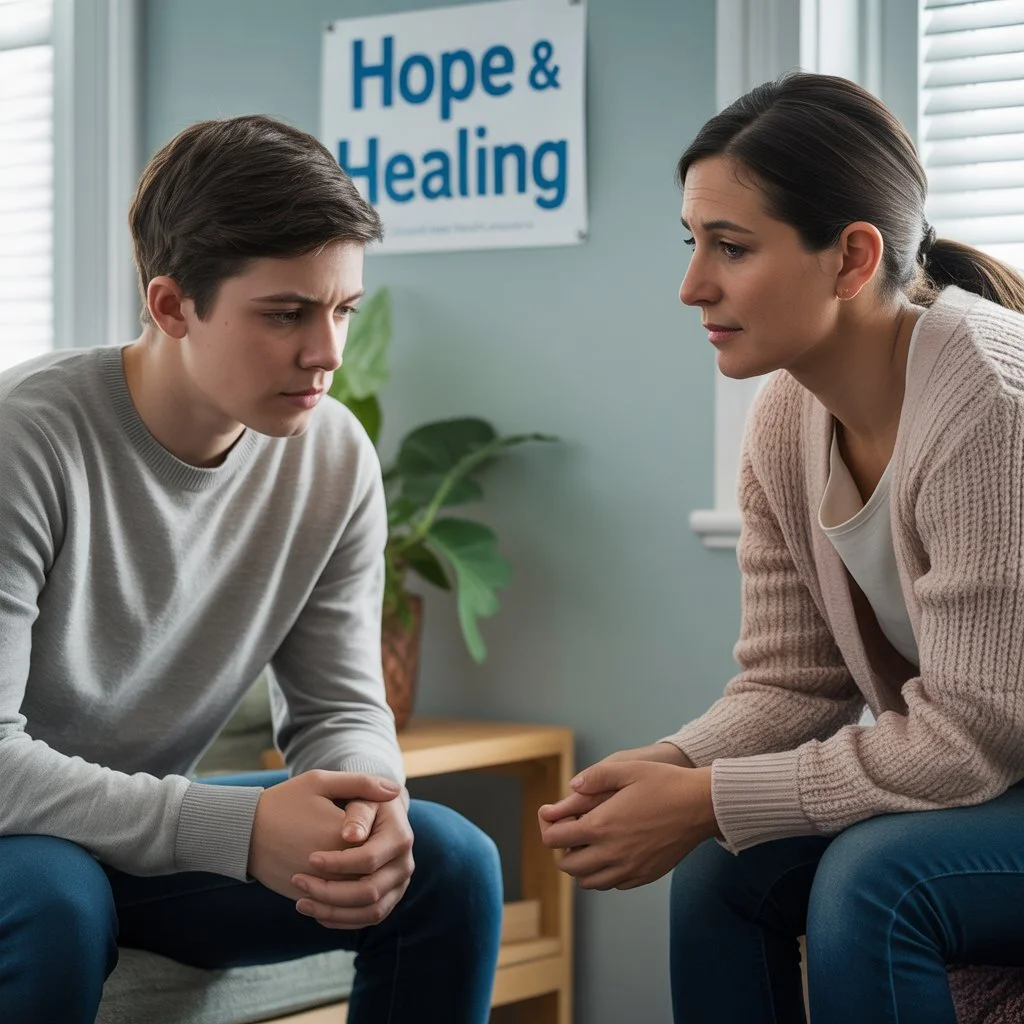
Officers are often the first point of contact in a crisis. If they cannot recognize the signs of autism, mental health distress, or trauma, their default responses may unintentionally escalate the situation. A raised voice, a command, or even physical presence can overwhelm someone who is already in crisis. By contrast, a calm tone, patience, and awareness of body language can de-escalate tension before it spirals.
Example: Tom shared that understanding cues like avoiding eye contact, delayed responses, or unusual movements may indicate autism or anxiety rather than defiance. If an officer assumes noncompliance instead of recognizing distress, the encounter can quickly become unsafe. Proper communication allows officers to pause, assess, and respond with empathy.
Trauma-informed practices—approaches that acknowledge and adapt to the invisible wounds people carry—do more than prevent harm. They build trust between officers and the public. When communities see officers who listen first and act with understanding, perceptions of policing begin to shift. This kind of training does not weaken law enforcement; it strengthens its connection with the people it is meant to serve.
Tom and Sonia’s conversation in the podcast made it clear: the ability to communicate with compassion is not optional. It is a critical skill that can determine whether an encounter ends with safety and trust or with lasting trauma.
Public Scrutiny and Systemic Pressure
Policing has always been a demanding profession, but events such as the murder of George Floyd placed officers under unprecedented public scrutiny. Retired NYPD officer Tom Smith shared in the podcast that while accountability is essential, the fallout from these high-profile cases has weighed heavily on officers who already carry layers of trauma. The badge becomes not only a symbol of authority but also a target of public anger, leaving many officers feeling isolated and misunderstood.
This tension creates a painful paradox. On one side, communities—especially marginalized ones—distrust the very institution meant to protect them. On the other, officers themselves often struggle with unaddressed mental health challenges, making it harder to respond with empathy. Tom explained that when these two forces collide, interactions can become fraught, not because people lack good intentions, but because both sides are operating under immense pressure.
It is then realized that reform cannot stop at policies or disciplinary measures. As Tom and Sonia emphasized in their conversation on the podcast, real change must also include systems of care for officers. Support structures such as counseling, peer support networks, and trauma-informed training are not luxuries—they are necessities. By tending to the mental health of those enforcing the law, we not only protect officers but also improve the quality of their interactions with the public.
The takeaway is clear: accountability and care must go hand in hand. A healthier police force creates safer communities, and safer communities build trust that benefits everyone.
Tools for Accountability and Healing
Body Cameras as More Than Surveillance
When people think of body cameras, the first thought is often surveillance and evidence gathering. While that is true, retired officer Tom Smith explained in the podcast “On the Spectrum Empowerment Stories with Sonia Krishna Chand: Autism, Neurodivergence, and Mental Health” that these tools can also be used in a much deeper way. They provide an opportunity for officers to reflect on their own actions, review encounters, and learn from difficult situations. Instead of being framed only as a form of control, body cameras can become mirrors that foster professional growth and self-awareness.
Policy Change With Purpose
Policies around accountability have to be more than checklists or reactive measures after tragedies. When implemented with the right mindset, they can rebuild trust between law enforcement and the public while also supporting the people behind the badge. For officers, fair and transparent accountability systems can create an environment where growth is possible and mistakes become opportunities for learning, not just punishment. For communities, these policies demonstrate that the institution of policing is capable of change and care.
In his conversation with Sonia on the podcast, Tom made it clear that accountability should not be treated as an enemy of policing. Instead, it can serve as a bridge toward healing. When officers see accountability as a shared commitment rather than a threat, it reduces defensiveness and opens space for growth. For the public, it signals that their voices matter. For officers, it creates a healthier culture where learning and emotional resilience are encouraged.
It is worth noting that true accountability is not about breaking people down. It is about building systems where both officers and communities can feel safe, respected, and understood. Healing begins when accountability is reframed as a tool for growth rather than punishment.
Rethinking Mental Health in Policing
Shift in Perspective
For decades, policing has been built around physical strength, tactical response, and discipline. While these skills are vital, Tom Smith’s conversation on the podcast makes it clear that they are not enough in today’s world. Officers are regularly called to situations involving people in mental health crises—whether that means someone experiencing depression, psychosis, or an autistic individual overwhelmed by sensory input. Without the right training, officers can unintentionally escalate instead of de-escalating. Mental health education must move from being an optional training module to a core part of every officer’s skill set. Just like tactical drills, mental health awareness should be second nature.
Reform cannot rest solely on the shoulders of officers. Communities also play a role in shaping systems that prioritize compassion alongside protection. Citizens, advocates, and policymakers must push for resources, funding, and laws that protect both the public and the officers themselves. As Tom emphasizes in the podcast, this is not about choosing sides, it is about creating systems where everyone’s wellbeing is considered. Communities that demand mental health integration in policing help pave the way for safer neighborhoods and healthier officers.
Conclusion
Policing and mental health can no longer be treated as separate issues. They are deeply intertwined, and failing to address one harms the other. As such, supporting officers in their mental wellbeing is just as critical as protecting communities. When officers are equipped with tools for emotional resilience and trauma-informed communication, everyone benefits—officers, families, and the people they serve.
Tom’s story, shared on the podcast, offers both a candid look at the challenges and a hopeful vision for change. If you want to better understand what is at stake and what can be done, listen to the full episode for his heartfelt reflections and practical suggestions on bridging the gap between policing and mental health.

How to Embrace Your Unique Path
Table of Contents
Intro
The Weight of Societal Expectations
The Hidden Cost of Masking
Redefining Success on Your Own Terms
Finding Joy Through Authentic Expression
Uniqueness as Power, Not Flaw
Key Takeaways for Readers
Why You Should Listen to the Episode
Conclusion
So many of us move through life trying to mold ourselves into what others expect. We wear the right clothes, say the right things, follow the unwritten rules of “normal,” and yet deep down it feels like we are playing a part in someone else’s script. The effort to fit in can be exhausting, and over time it chips away at who we really are.
For neurodivergent individuals, this weight is even heavier. From childhood, they are often told—directly or indirectly—that they need to hide their natural ways of thinking, communicating, or behaving in order to be accepted. This constant pressure to mask creates an inner conflict: do you show up as yourself, or do you shrink into someone society will approve of?
Molly’s story offers another way forward. Instead of letting conformity define her, she chose to embrace her individuality. Her journey is not about perfection, but about honesty—living fully as herself and redefining what success, connection, and joy can look like.
This blogpost highlights her lessons and insights, but there is something about hearing them in her own words that cannot be replicated.
The Weight of Societal Expectations

From a young age, many of us are taught that success comes from blending in. We learn that if we look the part, follow the rules, and avoid standing out too much, then we will be accepted. For neurodivergent individuals, however, those unspoken rules often feel impossible to live up to. The way they think, communicate, or move through the world does not always match the mold society expects, which can create a constant sense of being “different.”
Molly shared how these expectations weighed heavily on her. Every day felt like a performance—keeping her words, actions, and even her appearance in line with what she believed others wanted to see. Instead of feeling empowered, it left her with shame and self-doubt. She carried an inner conflict, torn between who she truly was and who she thought she needed to be in order to belong.
That kind of pressure is exhausting. It teaches people to silence themselves, to hide the very traits that make them unique. And over time, it creates a deeper sense of being “othered”—like you are standing outside the circle, always looking in.
Molly’s insight here is powerful: the first step toward freedom is realizing you do not have to accept every rule society places on you. Many of these “rules” are not laws of life but assumptions handed down by culture, tradition, or even outdated stereotypes. Once you begin questioning them, you open the door to living in alignment with who you really are.
The Hidden Cost of Masking
Masking is a survival strategy that many neurodivergent people adopt, often without even realizing it. It means pushing down or covering up your natural ways of thinking, communicating, or behaving so that you can appear “normal” to others. Maybe it looks like forcing eye contact even when it feels uncomfortable, mimicking the social cues of peers to avoid standing out, or hiding stimming behaviors to avoid judgment. On the surface, masking may help someone fit in, but the cost underneath is far greater.
The emotional toll is profound. Pretending to be someone else for long stretches of time is exhausting. It creates a constant disconnect between the inner self and the outer self, leaving people feeling like they are living two separate lives. Over time, this can lead to anxiety, depression, or burnout, because the brain and body are being stretched beyond what they can sustain.
In the podcast conversation, Molly and Sonia shed light on this hidden struggle. They discuss how masking may help someone get through a social setting or a workplace interaction, but afterward, the person is left completely drained. Worse, years of masking can make people lose touch with who they really are, because they have spent so much time performing what others expect.
Redefining Success on Your Own Terms

For much of life, many of us are taught that success means following a straight path: get the degree, land the job, climb the ladder, buy the house, and earn the recognition of others along the way. It is a definition built on checking boxes and meeting external expectations. Molly explained that for years, she felt trapped by this old definition of success, chasing approval and stability even when it left her unfulfilled. The constant pursuit created pressure rather than peace.
Her turning point came when she began to ask herself, What if success is not about climbing someone else’s ladder but about building my own? For Molly, the answer lay in her passions. She started to shape her life around writing, music, and creative expression—the things that gave her energy instead of draining it. This shift was not just about career choices, but about giving herself permission to define what a meaningful life looks like, even if it looks different from the societal template.
The lesson here is powerful: success is not one-size-fits-all. It is deeply personal, and it only feels sustainable when it is aligned with what truly lights you up. When you pursue paths that honor your passions, you move toward growth instead of burnout. Redefining success in this way does not just create external achievements—it creates a sense of inner fulfillment and authenticity that no title or paycheck can replace.
Finding Joy Through Authentic Expression
For Molly, true healing began when she stopped striving for external approval and instead leaned into creative outlets that felt genuine. Whether it was writing, drawing, or music, these forms of expression became a way to process emotions and reconnect with herself. Creativity was not about producing something perfect to impress others, but about giving herself permission to explore and release what was inside.
She shared that these practices transformed her pain into something meaningful. The moments of writing or playing music became more than hobbies—they became tools for self-discovery and healing. By creating without the pressure of perfection, Molly found freedom. Instead of being defined by the struggles she carried, she could reframe them as sources of growth and inspiration.
The lesson here is simple but profound: joy is not found in chasing flawless outcomes, but in allowing yourself to live authentically. When you express yourself in ways that feel true, you create space for both healing and happiness.
If this resonates with you, you will enjoy hearing Molly describe these practices in her own words. You can listen to the full podcast episode to experience her story firsthand.
Uniqueness as Power, Not Flaw
Society often teaches us that being different is something to fix or hide. From childhood, many people are told—sometimes subtly, sometimes directly—that standing out makes them “less than.” This framing turns individuality into a supposed weakness and pressures people into conformity. For neurodivergent individuals especially, these stereotypes can feel suffocating.
Molly challenges that narrative head-on. Instead of viewing her differences as flaws, she has learned to see them as her greatest source of power. Her perspective, shaped by lived experience, offers resilience in the face of challenges and a deeper ability to connect with others who also feel “outside the box.” What once felt isolating is now what sets her apart in meaningful ways.
The truth is that individuality is not something to overcome—it is something to embrace. Our quirks, passions, and unique ways of thinking often carry the very strengths that allow us to innovate, create, and inspire. Molly’s journey reminds us that acceptance does not mean erasing difference. It means leaning into it, celebrating it, and realizing that our uniqueness can be the very thing that lights the way for others.
Key Takeaways for Readers
At the heart of Molly’s story are lessons that apply to all of us, whether we identify as neurodivergent or not. Her journey shows what it really means to stop living by society’s expectations and start embracing your authentic self. Here are some of the most powerful takeaways:
1. Fitting in is not the same as belonging
Many of us spend years trying to blend into groups, workplaces, or relationships where we never truly feel seen. Fitting in means changing yourself to be accepted. Belonging, on the other hand, means being valued exactly as you are. Molly’s experience reminds us that real connection comes when we stop shrinking ourselves to match others and instead find spaces where our whole selves are welcome.
2. Masking drains life; authenticity gives it back
Masking may make life easier in the short term, but it comes at a steep cost. Constantly hiding natural behaviors or traits is exhausting and can lead to burnout, anxiety, and disconnection from self. By choosing authenticity—even when it feels vulnerable—Molly discovered a renewed sense of energy and peace. Authenticity breathes life back into us because it allows us to live without the heavy weight of pretense.
3. Success must be defined by you, not society
Society often pushes a narrow definition of success: promotions, degrees, income, or external validation. But these measures can feel hollow if they are not aligned with your true passions and values. Molly redefined success on her own terms, choosing to prioritize creativity and self-expression over checklists and ladders. Her story encourages readers to ask: What does success mean to me, not to everyone else?
4. Creativity and self-expression are healing tools
Molly found joy and healing in writing, music, and creative outlets that allowed her to process emotions and express her true self. Creativity does not have to be perfect or polished to be powerful—it simply has to be honest. For many people, art, journaling, or other creative practices become a safe space for healing and reconnecting with joy.
5. Your uniqueness is your greatest asset
Perhaps the most important lesson of all is that what makes you different is also what makes you powerful. The quirks, passions, and perspectives that set you apart are not flaws to fix but gifts to embrace. Molly’s story is proof that individuality can be the very thing that unlocks resilience, confidence, and meaningful connections.
Together, these takeaways paint a simple but life-changing picture: You do not have to fit a mold to live a full and meaningful life. By stepping into authenticity, redefining success, and embracing what makes you unique, you create a life that is not just successful on the outside but deeply fulfilling on the inside.
Why You Should Listen to the Episode
There is something powerful about hearing someone’s story in their own words. Molly’s honesty, tone, and emotion carry a depth that written summaries cannot fully capture. Listening to her describe her journey gives a sense of authenticity that makes the lessons even more impactful.
When you hear her talk about the weight of expectations, the cost of masking, and the freedom of authenticity, it feels personal. Her reflections remind us that these are not just abstract ideas—they are lived experiences that many people quietly struggle with every day.
If you or someone you know has ever felt pressure to hide, to fit in, or to measure worth by someone else’s standards, this episode will resonate deeply. It is not only for neurodivergent listeners but also for parents, educators, friends, and professionals who want to understand the value of individuality in a deeper way.
Listen to the full podcast episode here
Conclusion
At the heart of Molly’s story is a truth we often forget: you do not need to conform to be valuable. Your worth is not measured by how well you hide your differences or how closely you follow someone else’s rules. It is found in showing up as your full, authentic self.
Life begins to open up when you stop chasing approval and start embracing what makes you unique. Authenticity brings not only freedom but also joy, connection, and a sense of purpose.
If you are looking for encouragement to step off the path of “fitting in” and onto the path of self-acceptance, Molly’s journey is one you will not want to miss.

Beyond the Diagnosis – Financial Planning for Special Needs Families
Table of Contents
Intro
Why Financial Planning Matters for Special Needs Families
Michael’s Personal Journey from Parent to Advocate
The Three Pillars of Financial Planning
Building Your A-Team
Beyond Numbers: The Emotional Side of Planning
Why You Should Listen to the Full Episode
Conclusion
Beyond the Diagnosis – Financial Planning for Special Needs Families
Many families raising children with special needs find themselves pouring every ounce of energy into the day-to-day demands—appointments, therapies, school meetings, and simply keeping up with life. In the middle of all this, long-term financial planning often slips to the background.
But without a plan, the future can hold unnecessary risks. Gaps in income protection, government benefits, or long-term care arrangements can leave families vulnerable. What begins as daily survival mode can become a cycle of uncertainty, making it harder to focus on the child’s growth and well-being.
That is why conversations about financial planning are so important. In this post, we draw on the insights of Michael Pereira, a father who has walked this path and a financial specialist dedicated to helping special needs families. His perspective blends professional expertise with lived experience, offering guidance on how to build security that lasts.
Why Financial Planning Matters for Special Needs Families

Raising a child with special needs is a journey filled with love, dedication, and resilience. But it also comes with unique financial responsibilities that can quickly add up. From ongoing medical care and therapy to specialized education programs and adaptive tools, the costs are often much higher than what families first anticipate.
While government benefits such as disability allowances or social programs provide some support, they are rarely enough to cover the full picture of a child’s needs. Many families discover that these benefits have strict eligibility requirements, income limits, or waiting lists that make them unreliable as a sole source of security.
This is why financial planning becomes so essential. By taking proactive steps—whether that means setting up savings accounts, exploring insurance options, or creating a long-term care plan—families can reduce uncertainty about the future. Instead of reacting to every challenge as it arises, they can move forward with a sense of stability and confidence.
The earlier this planning begins, the better. Even small, intentional steps taken today can grow into a safety net that ensures children are cared for well into adulthood. Financial planning is not just about numbers; it is about giving families peace of mind, so they can focus on what matters most: nurturing their child’s growth and
Michael’s Personal Journey from Parent to Advocate
Autism is often described as a spectrum, and for many families, receiving a diagnosis can feel like stepping into uncharted territory. When Michael’s son was diagnosed with autism, it was a life-changing moment that reshaped his perspective as both a parent and a professional. Suddenly, the future was full of new questions: What resources would his son need? How would they afford therapies, education, or long-term care? What would happen when his son became an adult?
Like many parents, Michael quickly discovered that navigating the financial side of special needs care can be just as overwhelming as managing the day-to-day challenges. Insurance paperwork, government benefits, and the sheer cost of ongoing support created a maze that felt almost impossible to untangle.
Instead of letting that overwhelm paralyze him, Michael chose to turn his personal experience into a mission. He decided to specialize in financial planning for families with special needs, using his knowledge as both a father and a professional to guide others through the very system that once felt daunting to him.
His journey is a reminder that some of the best advocates and advisors are not just trained in the field—they have walked the path themselves. Michael understands the fear, the late-night worries, and the desire to build security for a child’s future, because he has lived it. And that lived experience gives his work an authenticity and empathy that numbers alone could never provide.
The Three Pillars of Financial Planning
When it comes to raising a child with special needs, financial planning cannot be left to chance. In his conversation on the On the Spectrum Empowerment Stories podcast, Michael Pereira breaks down what he calls the three essential pillars of financial planning for families like his own. These pillars provide a roadmap that helps parents move from constant uncertainty to long-term security.
1. Income Protection
For most families, the household income is the foundation that holds everything together. But for caregivers of children with special needs, that income is even more critical. Losing it—through illness, disability, or even death—could unravel years of stability. Michael stresses the importance of building safety nets through disability and life insurance. These tools act as a buffer, protecting families from “what if” scenarios that can so easily lead to financial collapse. Income protection ensures that no matter what happens, the child’s needs will continue to be met.
2. Special Needs Trusts
A major concern for many families is how to provide financial support without jeopardizing access to government benefits like Supplemental Security Income (SSI) or Medicaid. This is where a special needs trust comes in. Michael explains on the podcast how these trusts are structured to hold funds specifically for the benefit of the child, while keeping them eligible for critical public assistance. The trust can cover expenses like therapy, specialized transportation, educational programs, or even recreation—things that enhance quality of life. But Michael warns that these trusts must be set up correctly, with proper legal guidance, to avoid costly mistakes.
3. Long-Term Care Planning
Perhaps the most daunting question for parents is: What will happen when I am no longer here? Michael speaks openly about this reality, reminding families that planning cannot stop at childhood. Long-term care planning ensures financial security well into adulthood, creating peace of mind that a child’s future is secure even after parents or primary caregivers are gone. Whether this involves dedicated savings, insurance strategies, or trusts, the goal is the same—stability and independence for the individual with special needs.
These three pillars—income protection, special needs trusts, and long-term planning—form the backbone of a secure financial future. As Michael shares throughout the On the Spectrum Empowerment Stories podcast, when families take the time to put these systems in place, they shift from constant worry to confidence in the path ahead.
Why Timing Is Everything
When it comes to planning for a child with special needs, timing is one of the few factors you can control. Starting early gives you options, lowers cost, and avoids hurdles that become much harder to overcome later. Here is why acting now matters, explained in plain language and with practical steps you can take.
Health underwriting and availability
Insurance companies evaluate your health when you apply. Younger, healthier applicants typically qualify for broader coverage at far lower cost. As people age, two things happen. First, premiums rise steadily with age, sometimes sharply after certain milestones. Second, health problems that develop over time can make it harder to qualify for the same policies, or can raise premiums to the point where coverage is unaffordable. If you wait until a serious diagnosis or a chronic condition appears, you may find the best options closed or extremely limited.
Price increases with age
Life insurance, disability insurance, and long term care insurance all become more expensive as you get older. Buying a policy in your thirties is usually far cheaper than buying the same policy in your forties or fifties. The math is simple. Insurance companies charge more when the statistical risk of a payout increases. For planning purposes, that means the earlier you lock in appropriate coverage, the more financial protection you can buy for the same premium.
More choices and flexibility
Starting early gives you access to more product types and riders. For example, younger buyers can often choose between term life and permanent life policies, add riders that are later restricted, or buy hybrid policies that combine life insurance with long term care protection. Some policies allow conversion from term to permanent coverage without new underwriting, a feature that can matter if health status changes. Waiting reduces these options and forces tradeoffs.
Trusts and legal structures are easier to set up well
Timing matters for legal planning too. Setting up a properly drafted special needs trust while the family is younger gives you time to test and refine the plan, coordinate beneficiaries, and train trustees. Waiting until later can complicate matters if assets have grown, if family dynamics change, or if the parent’s health declines. Early planning lets you work with an attorney to ensure the trust is set up to protect public benefits and meet the child’s long term needs.
Emotional and logistical advantages
Early planning reduces stress. When the basics are in place, families can make choices from a position of calm instead of crisis. That frees energy to focus on day-to-day care, therapy, and relationships. Early planning also allows time to assemble the right team of professionals and to educate family members who may one day be involved.
Practical steps to act now
Inventory current protections: List employer benefits, existing life and disability policies, savings, and any special accounts.
Get age-based quotes: Even a few simple rate checks will show how much premiums rise with age.
Talk to a specialist who understands special needs planning: An adviser who has experience with special needs trusts, government benefit rules, and insurance options can highlight pitfalls and opportunities.
Establish legal basics early: Draft a letter of intent, durable powers of attorney, and a special needs trust if recommended by your attorney.
Consider small, immediate moves: Opening a designated savings account, buying a modest life policy now, or securing short-term disability protection can be practical first steps.
Just so you know, starting sooner gives you lower costs, more choices, and the peace of mind that comes from knowing your child’s future is protected. If there is one clear rule in special needs financial planning, it is this: the best time to start was yesterday, and the next best time is today.
Building Your A-Team
Financial planning for a child with special needs is too complex for one person to handle alone. There are legal details, financial protections, government programs, and long-term care questions that require expertise across different fields. That is why one of the most important steps families can take is to build a trusted support team. Having the right professionals in place does not just lighten the load, it ensures the plan is strong, compliant, and adaptable as circumstances change.
Why you need a team
Special needs planning touches almost every part of life. You need to think about income protection, government benefits, tax strategy, legal structures, and long-term care. No single professional can cover all of these areas thoroughly. A strong “A-Team” brings together people with different skills who can work together on your family’s behalf.
Who belongs on the team
Attorney: A lawyer who specializes in special needs planning can draft a properly structured special needs trust, prepare guardianship documents if needed, and write a letter of intent to guide future caregivers. Without an attorney who understands the rules, families risk making mistakes that can accidentally disqualify a child from critical benefits.
Insurance advisor: Life, disability, and long-term care insurance are cornerstones of income protection. A knowledgeable advisor can help identify affordable policies, explain coverage options, and make sure the family is prepared for “what if” scenarios. This role ensures financial security even if something happens to a primary caregiver or income earner.
Accountant: Taxes are often more complicated for families of children with special needs. An accountant who understands deductions, medical expense tracking, and how trusts are taxed can save money and reduce errors. This expertise also ensures that financial planning aligns with IRS requirements and maximizes available benefits.
Advocates or coaches: These professionals help families navigate school systems, government agencies, and community resources. They can guide parents through individualized education programs (IEPs), benefits applications, and care coordination. Their role helps bridge the gap between financial plans and day-to-day realities.
How the team works together
The best teams communicate. For example, an attorney and an accountant should coordinate to ensure a trust is both legally sound and tax-efficient. An insurance advisor can explain how coverage integrates with legal planning. Advocates can provide input on real-world needs that should be funded or supported. When everyone works in sync, families avoid costly oversights and conflicting strategies.
The bigger lesson
Financial planning for special needs is not just about numbers—it is about security, dignity, and peace of mind. Families who build a reliable team gain more than professional expertise; they gain partners who walk with them through the journey. The right team does not just prepare documents or run calculations. They provide confidence that the child’s future will be cared for, no matter what happens.
Beyond Numbers: The Emotional Side of Planning
When families hear the words “financial planning,” it is easy to think only about numbers, spreadsheets, and policies. But as Michael shares in the podcast, the process is about far more than money. For families of children with special needs, planning is deeply tied to emotions, hopes, and fears for the future.
More than dollars and cents
At its core, planning is about creating a sense of security. Parents want to know that their child will be cared for, even when they are no longer there to provide that care. This is not just financial stability—it is peace of mind that their child will be safe, supported, and respected in adulthood.
Protecting dignity and independence
Money matters because it can open doors to independence. Whether it is funding for housing, therapy, recreation, or education, careful planning ensures a child’s life can be rich and fulfilling. The goal is not only survival but dignity—the ability to live with respect, choice, and opportunity.
Emotional relief for families
The act of planning itself can feel like lifting a weight. Parents often carry silent fears about “what will happen when we are gone.” By putting protections in place, families gain emotional relief. They know they have done everything possible to set their loved one up for success.
Healing through preparation
Michael emphasizes that planning is also a form of emotional healing. Facing these difficult questions—income protection, long-term care, and trusts—allows families to replace fear with proactive steps. Instead of feeling helpless, parents find empowerment in taking control of what they can.
The key message here is that financial planning is never just about numbers. It is about building a future filled with dignity, safety, and hope, while also giving families the emotional strength to enjoy the present.
Why You Should Listen to the Full Episode

The podcast episode with Michael Pereira offers far more than general financial tips. He shares personal stories about raising his son with autism and how that experience reshaped his professional path. These stories make the conversation relatable, especially for families who may be feeling overwhelmed by the weight of financial decisions.
Michael also goes deeper into practical examples, explaining real-world scenarios around income protection, special needs trusts, and long-term care. His ability to blend personal experience with professional expertise makes the advice both compassionate and actionable.
Conclusion
Financial planning for special needs families is not about fear—it is about building a life of stability, dignity, and opportunity. By preparing early and putting the right structures in place, families can create peace of mind for today and security for the future.
The big message is clear: with the right tools, guidance, and team of trusted professionals, families can move from uncertainty to confidence. Planning is not only financial preparation but also emotional reassurance that your child will be cared for, no matter what.

EndoDNA: Using Genetic Testing to Guide your Health
Table of Contents
Intro
The Story Behind EndoDNA
What is EndoDNA?
How the Genetic Test Works
Why the Endocannabinoid System Matters
Why the Endocannabinoid System Matters
Benefits for Healthcare Providers
Conclusion
EndoDNA: Using Genetic Testing to Guide your Health
Healthcare often feels like trial and error. A medication, supplement, or treatment plan that works wonders for one person may leave another struggling with side effects or no improvement at all. This hit-or-miss approach can be frustrating and exhausting, especially when the goal is to feel better and live healthier.
That is where genetic testing comes in. By looking at your unique DNA, science can reveal why certain treatments do not work for you, why you may be sensitive to specific foods, or even why your body responds to stress the way it does. Instead of guessing, you can have a clearer roadmap for making decisions about your health.
In a recent podcast conversation with Len May, founder of EndoDNA, we explored how your DNA can act like a personal health GPS, showing you where the roadblocks are and how to navigate around them. This post unpacks the biggest lessons from the podcast and explains why personalized health guided by genetics may be the future of medicine.
The Story Behind EndoDNA
Len May’s path to EndoDNA began with a deeply personal struggle. As a teenager he was expelled from home because of cannabis use, and that rupture forced him to grow up quickly. He bounced between couches, tried to keep up with school, and searched for stability. During that time he saw how easily a person could be labeled as a problem instead of being understood as a person with unmet needs.
He was later diagnosed with ADHD and started medication. The medicine helped him focus in class and at work, but it also flattened how he felt. He could complete tasks, yet he felt less like himself. This created a painful tradeoff. Do you choose focus and lose your spark, or keep your spark and lose your focus? That question pushed him to look for options that could support both attention and well-being without dulling emotion.
At home he watched his mother and grandmother manage long lists of prescriptions. Each new pill was meant to solve a symptom, but the combination often created new side effects. This was another kind of trial and error that did not feel sustainable. Seeing people he loved cycle through drugs and dosages convinced him that the real problem was not only the conditions themselves. The problem was the lack of personalization. Bodies are different. Responses are different. Treatment should reflect that.
These experiences turned into a mission. Len became curious about why bodies respond so differently to the same substance. He began exploring genetics and the endocannabinoid system, the network in the body that helps keep things in balance. He wanted a way to translate complex science into simple, practical guidance that anyone could use with their healthcare provider.
In 2017 he created EndoDNA to do exactly that. The idea was straightforward. Use a person’s DNA to map out their likely responses, then give them and their clinician a plan that fits their biology. Instead of guessing, start with data. Instead of forcing a one size fits all plan, build a path that respects individual differences.
EndoDNA grew from his belief that people deserve clarity. If you know your genetic tendencies, you can choose foods, supplements, cannabinoids, or medications with more confidence. You can talk to your doctor with better questions. You can pursue relief without feeling like a test subject.
Len shared the raw details of this journey in the podcast, and it is worth a listen if you want the behind the scenes story.
What is EndoDNA?

EndoDNA is a company built on the idea that your health should be as unique as your DNA. Instead of relying on a one-size-fits-all model, EndoDNA uses genetic testing to reveal how your body is wired and how it may respond to certain foods, supplements, medications, or cannabinoids. The focus is not just on symptoms but on uncovering the root patterns that shape your overall health.
At its core, EndoDNA combines two powerful tools: genetic testing and endocannabinoid science. Genetic testing allows scientists to study tiny variations in your DNA, called SNPs (single nucleotide polymorphisms), that can influence how your body processes substances, manages stress, or reacts to inflammation. The endocannabinoid system, which helps regulate balance across the body, provides the framework for interpreting those results. Together they form a picture of your health that is highly personal and actionable.
An easy way to think about it is to imagine your DNA as a roadmap. Every road, turn, and intersection represents a different biological process. Some routes are smooth and fast, while others are full of potholes or detours. Without a map, you may get lost or waste time trying different paths. With a map, you can see where the roadblocks are and plan your route more effectively. EndoDNA offers that map for your health, showing you where you may face challenges and how you can navigate around them.
The mission of EndoDNA is clear. It is to empower people to understand their own biology so they can make better choices and work with their healthcare providers more effectively. When you know your genetic tendencies, you are no longer in the dark. You can choose nutrition strategies, supplements, lifestyle changes, or therapeutic options that match your body rather than working against it.
In the episode, Len explains this with simple and relatable examples that make the science easy to grasp. If you want to hear him break it down in his own words, definitely check out the full podcast.
How the Genetic Test Works
Below is a clear, step-by-step explanation of how a service like EndoDNA typically turns a cheek swab into an actionable health plan, followed by the main types of insights the test can reveal.
Step 1 — Order the kit and collect the sample: You begin by ordering a test kit online or through a clinician. The kit contains a sterile cheek swab and simple instructions. To collect the sample you rub the swab along the inside of your cheek for the recommended amount of time, then seal it and return it in the pre-paid envelope. The collection is noninvasive, quick, and can be done at home or in a clinic.
Step 2 — Lab accessioning and DNA extraction: When the lab receives the sample, technicians log it into their system and check the sample quality. The cells on the swab are processed to extract DNA. The lab measures how much DNA was recovered and runs quality checks to make sure the sample is usable. If the sample does not meet quality standards the lab will request a recollection.
Step 3 — Genotyping on a high-density array: The purified DNA is analyzed using a genotyping platform, which reads hundreds of thousands of predefined genetic markers called single nucleotide polymorphisms, or SNPs. These platforms are designed to detect common variants that research has linked to drug metabolism, nutrient processing, inflammation, hormone function, and many other biological processes. The result of this step is a raw genotype file that shows which variant a person carries at each tested location.
Step 4 — Bioinformatics processing and quality control: Raw genotype data is processed with bioinformatics pipelines. This includes additional quality checks, alignment to reference data where needed, filtering out unreliable calls, and sometimes imputation to infer nearby variants. The cleaned data are then annotated: each relevant SNP is mapped to known scientific findings and to the biological pathways that EndoDNA focuses on, including genes involved in the endocannabinoid system.
Step 5 — Clinical interpretation and algorithmic scoring: Specialized software and clinical scientists translate the annotated genetic data into human-readable findings. This can include single gene results that affect medication metabolism, aggregated scores that estimate tendencies such as inflammatory response, and interpreted patterns related to hormone regulation or stress response. The interpretation emphasizes evidence-based links between variants and likely physiological effects, and it flags where those links are strong versus where they are still emerging.
Step 6 — Secure reporting and clinician integration: The final output is a report designed for both the individual and their healthcare provider. Reports typically summarize key findings, explain what each finding might mean in plain language, and offer suggested next steps. These suggestions can include tests to confirm a clinical suspicion, lifestyle changes, nutritional adjustments, supplement options, or medication considerations. Reputable services protect data with encryption and follow privacy standards such as HIPAA and GDPR when required, and they provide clinician portals so a medical professional can review the results in context.
Step 7 — Action, monitoring, and follow-up: Genetic results are used as a starting point for a shared plan between patient and clinician. Providers may adjust medication selection or dosing based on pharmacogenomic markers, try nutritional or supplement strategies for identified sensitivities, or introduce targeted cannabinoid options informed by endocannabinoid-related genetics. Progress is monitored clinically and, when available and appropriate, through follow-up testing such as functional labs or epigenetic markers to measure response over time.
Important limits and caveats
Genetic testing provides probabilities and tendencies, not absolute answers. A variant that increases risk or sensitivity does not guarantee a specific outcome, and many results must be interpreted alongside medical history, current medications, lab tests, and lifestyle factors. Environmental influences, diet, stress, and epigenetic changes all shape actual health outcomes. For these reasons reports are intended to inform discussions with qualified healthcare providers rather than replace them.
Types of insights the test typically reveals
Medication metabolism and pharmacogenomics: Which drugs you are likely to process quickly, slowly, or normally. This can help explain unexpected side effects or lack of benefit. Common gene families involved include CYP enzymes.
Nutrient and food sensitivities: Tendencies toward difficulties processing certain nutrients or foods, which can guide dietary changes.
Hormone and reproductive health signals: Genetic patterns that influence hormone production, sensitivity, or the way hormone changes may present, for example during menopause transitions.
Inflammation and immune response: Markers that indicate a higher or lower tendency toward chronic inflammation, which can shape choices around diet and anti-inflammatory strategies.
Stress response and mental health tendencies: Variants connected to neurotransmitter pathways or stress reactivity, which can inform approaches to anxiety, sleep, and mood support.
Endocannabinoid system insights: Variants in genes that influence how the endocannabinoid system functions, which is the core focus of EndoDNA for tailoring cannabinoid-related support.
Actionable lifestyle suggestions: Practical recommendations for nutrition, supplement types and dosing ranges, and therapy options that are more likely to be effective given your genetic profile.
The podcast walks through these steps in more detail; it is a great listen if you are curious about what the testing actually shows.
Why the Endocannabinoid System Matters
The endocannabinoid system is one of the most important yet often overlooked systems in the human body. It functions like a master regulator, keeping everything in balance. Scientists call this balance “homeostasis.” When your body is under stress, when your immune system is overactive, or when your mood feels off, the endocannabinoid system works quietly in the background to restore harmony.
Your genetics play a big role in how well this system works. Some people naturally produce more endocannabinoids, while others may have variations in their genes that make their system less efficient. Environment also matters. Diet, stress, sleep, and lifestyle choices can either support or disrupt how effectively the system maintains balance.
This is where cannabinoids come into the picture. Cannabinoids are compounds found in cannabis, hemp, and even certain foods. They interact with receptors in the endocannabinoid system, essentially helping the body do its balancing work more effectively. This does not mean cannabis is a one-size-fits-all solution. Instead, it means understanding your genetic makeup can help determine what type of support your system might need.
Len’s explanation in the podcast breaks down this science in a very simple way. He uses examples that show why the endocannabinoid system is not just about cannabis, but about a much bigger picture of health and wellness. His insights make it easy for anyone to understand, even without a science background. You do not want to miss that part of the conversation.
Understanding the role of the endocannabinoid system helps explain why EndoDNA’s approach is so powerful. By connecting your unique genetics to this vital system, the test can uncover personalized strategies for better health.
Why the Endocannabinoid System Matters
The endocannabinoid system is often called the body’s balance system because it helps regulate key functions such as mood, appetite, sleep, stress, and even immune response. Its main role is to keep the body in a state of balance, also known as homeostasis. Without it, many of our internal systems would struggle to communicate and function smoothly.
Genetics and environment both play a role in how this system works. For example, some people have genetic variations that affect how their receptors respond, which can make them more sensitive to stress or certain substances. Lifestyle factors like diet, sleep, and daily stress can either strengthen or weaken how effectively the system does its job.
Cannabinoids—compounds found in cannabis, hemp, and even certain foods—are especially important because they interact with the receptors of the endocannabinoid system. They act almost like keys fitting into locks, helping the body restore balance when something is off. However, because every person’s genetics are different, not everyone responds to cannabinoids in the same way. This is why a personalized approach, like the one EndoDNA offers, can be so valuable.
Benefits for Healthcare Providers
EndoDNA is not only transforming individual health journeys, it is also changing the way healthcare providers approach treatment. Many providers are beginning to embrace genetic testing as a way to cut down on guesswork and deliver more precise care. Instead of relying on trial and error, they can use genetic insights to recommend treatments that are more likely to work for each patient.
This precision leads to better patient outcomes and greater trust between provider and patient. When people feel that their care is tailored to them rather than based on averages, they are more likely to stay engaged in their health journey.
One example Len shared in the podcast involved menopause. Instead of treating menopause as a one-size-fits-all stage of life, EndoDNA testing can reveal different biotypes. This means providers can offer specific strategies for managing symptoms, which improves both quality of life and overall health for women going through this transition.
The episode also touches on how providers can integrate this into their practice, which is especially valuable if you are a healthcare professional.
The Future of Personalized Health
Personalized medicine is still in its early stages, but the potential is enormous. One exciting area Len discussed is biological age tracking. Unlike chronological age, which is measured in years, biological age looks at how your body is actually aging on a cellular level. With genetic insights, it is possible to identify whether your body is aging faster or slower than expected and take proactive steps to improve longevity and vitality.
Another promising direction is the expansion of DNA-based health solutions. In the future, more people will have access to genetic tools that can guide nutrition, stress management, hormonal health, and even preventative care. This shift means fewer generic treatments and more strategies tailored to individual needs.
In the podcast, Len shares his vision for the next 10 years of personalized medicine. Hearing it in his own words gives a powerful sense of what is possible, and it is worth listening to that part of the conversation.
Conclusion
Personalized health powered by DNA is no longer an idea that belongs in the future. It is already here, and it is changing the way people approach their wellness and medical care. The old trial-and-error model, where patients cycle through different treatments hoping one will work, is slowly being replaced by strategies that are guided by science and tailored to each individual.
This is the core message from Len May’s work with EndoDNA. By understanding your genetic blueprint, you gain a clearer map of what your body needs to stay balanced, resilient, and healthy. It is not about fitting into a one-size-fits-all plan but about uncovering what works best for you.
If this blog sparked your curiosity, the full podcast episode goes much deeper. Len shares the science in simple terms, tells powerful stories of transformation, and paints a vision of what the next decade of personalized medicine could look like. Tune in here [insert link].
The future of healthcare is not trial and error. It is a future tailored to your DNA, and that future is already unfolding today.
Listen to the full episode and discover how your DNA could be the key to better health.
Lessons on Self-Worth and Acceptance
Table of Contents
Intro
A Metaphor That Says It All: Pigs Are for Eating, Not for Dating
When Therapy Hurts Instead of Heals
How Low Self-Worth Shapes Relationships
Learning Social Norms Later in Life
Self-Advocacy as the Key to Acceptance
Breaking Free from Labels and Stereotypes
Conclusion
Lessons on Self-Worth and Acceptance
Many of us have been told, directly or indirectly, that our value depends on how we look, act, or fit into society’s mold. Those messages can sink deep, shaping how we see ourselves and how we let others treat us. Over time, they create silent rules about what we should look like, how we should behave, and what makes us “worthy.”
The weight of those expectations can lead to shame, toxic relationships, and years of trying to live up to someone else’s definition of success. But healing begins when we stop measuring ourselves against those standards and start redefining what worth really means.
This post explores powerful lessons on why self-advocacy matters, how stereotypes limit us, and how self-worth grows when we learn to set boundaries and embrace who we are.
A Metaphor That Says It All: Pigs Are for Eating, Not for Dating
Sonia shares a moment from her past that stayed with her for years. During therapy, instead of finding support, she was told that losing weight would solve her problems and even change her life. The phrase that stuck—“pigs are for eating, not for dating”—was delivered as if it were motivation. But for Sonia, it had the opposite effect. It reinforced the shame she already carried and fed a distorted belief that her value depended on her appearance.
At the time, those words cut deeply. They became part of the background noise in her mind, the kind of message that makes you second-guess your worth. Many people who have experienced toxic or misguided advice in therapy or relationships can relate to how lasting and damaging these moments can be.
The shift came later, when Sonia began to reclaim the phrase for herself. Instead of letting it define her, she reframed it as a metaphor for boundaries. To her, it became a reminder that not every judgment or harmful opinion deserves space in her life. Just because someone speaks something over you does not mean you have to accept it as truth.
The lesson here is powerful: words matter. They can wound, but they can also be reshaped into tools for growth. By taking back the words that once hurt her, Sonia showed that healing sometimes begins with reclaiming language and deciding which messages get to stay and which ones do not.
When Therapy Hurts Instead of Heals

Sonia sought therapy in law school during a period of intense stress. She expected a space to process fear, exhaustion, and the pressure to perform. Instead, her sessions with Dr. Grey centered on her appearance. Comments about weight, posture, and how she presented herself began to replace questions about her feelings and needs. The message she heard again and again was that life would improve if she changed how she looked.
This focus left her feeling smaller rather than stronger. Therapy became a mirror that reflected cultural judgment instead of compassion. Rather than exploring grief, anxiety, or identity, she was pushed toward image management. The result was shame, confusion about her true goals, and a growing belief that her worth lived on the surface of her body.
Why is this so harmful? Therapy has power because it is intimate and vulnerable. When that power is used to reinforce appearance standards or stereotypes, the client learns to monitor and correct the self instead of understanding the self. The session becomes a performance, not a place to heal. Over time, this can undermine self-trust, worsen body image, and discourage people from seeking help again.
There are clear signs that therapy is hurting rather than helping.
You leave sessions feeling judged or unsafe.
Your emotions are dismissed or quickly redirected to surface fixes.
The therapist talks more about how you look than how you feel.
Boundaries feel unclear, or the therapist imposes personal values.
Your goals are not discussed or are replaced by goals you did not choose.
By contrast, supportive therapy looks and feels different.
You are met with curiosity, not criticism.
The work focuses on your inner world, your history, and your values.
Goals are set together and reviewed openly.
The therapist practices cultural humility and respects neurodivergence and body diversity.
You leave feeling seen, even when sessions are emotionally challenging.
A key reflection from Sonia’s experience is that therapy can change lives when the relationship is safe and the method fits the person. It can also cause harm when it repeats the very messages that wounded you in the first place. Not every professional has the right tools for every client. Fit matters. Approach matters. Your sense of safety matters.
Self-advocacy includes knowing when to walk away. You are allowed to interview therapists, ask about their approach, and say no to what does not serve your healing. A simple process can help:
Name your goals in writing before or after a first session.
After each session, note how you feel in your body and whether you felt heard.
Ask direct questions in the next session, such as, “How will we work with anxiety and trauma without focusing on weight or appearance” or “What does success look like in this approach for someone like me”
If the fit is not right, end the relationship kindly and clearly.
You can use a short script: “Thank you for your time. I am looking for a different approach that aligns with my goals, so I will not be continuing.” That is enough. You do not owe a defense of your choice.
Sonia’s story is a reminder that the goal of therapy is not compliance with cultural norms. The goal is healing, clarity, and a stronger connection to your own worth. If you have experienced something similar, know that you are not alone and that a better fit exists. For deeper context on how she recognized these patterns and reclaimed her voice, listen to the full podcast episode, and explore her book for practical guidance on self-advocacy and self-acceptance.
How Low Self-Worth Shapes Relationships

Low self-esteem does not only affect how we see ourselves in the mirror. It silently shapes the way we enter and remain in relationships. When you believe deep down that you are not enough, you often accept less than you deserve. That can look like staying in one-sided friendships, tolerating disrespect, or holding onto people who take more than they give. Sonia shares openly that her lack of self-belief drew her toward toxic connections. Because she doubted her own value, she settled for relationships that confirmed her fears rather than challenged them.
In her case, friends who dismissed her feelings or crossed her boundaries were allowed to stay in her life. Instead of questioning their behavior, she questioned herself. Was she asking too much? Was she the problem? These internal doubts became a cycle, keeping her stuck in environments that drained her rather than uplifted her.
This pattern is common for anyone struggling with low self-worth. When the voice inside whispers “you are lucky just to have people around,” it becomes difficult to imagine walking away. Toxicity can start to feel normal. The fear of being alone often outweighs the hope of finding healthier connections.
The turning point for Sonia came when she began to rebuild her sense of self from the inside out. By naming her needs, practicing boundaries, and slowly learning to trust her voice, she saw that relationships should not feel like constant survival. Respect and care are not luxuries, they are the foundation of true connection.
Healing in this area is not just about cutting ties. Ending harmful relationships may be necessary, but the deeper work is learning to believe that you are worth more. Once that belief takes root, the choices you make about who belongs in your life naturally begin to shift. You start seeking spaces where your presence is celebrated, not tolerated. You find friends who listen, partners who respect, and communities that welcome you without conditions.
Learning Social Norms Later in Life
Many people pick up social norms almost naturally as they grow up—things like posture, table manners, or the unspoken rules of how to present yourself in different settings. But what happens when those lessons come later in life rather than early on Sonia shares openly that some of the skills others seemed to absorb effortlessly, she had to work hard to learn as an adult.
Simple things like how to hold utensils, how to sit with confidence, or how to adjust her presence in social spaces often felt foreign to her. While her peers appeared to “just know” these expectations, Sonia had to break them down piece by piece. For years, this created a sense of embarrassment and even isolation. She often felt like she was playing catch-up in a game where everyone else already knew the rules.
What makes her story powerful is not the delay but the reframing. Sonia eventually realized that learning something later in life is not the same as being incapable. It does not diminish intelligence, worth, or potential. It simply reflects a different timeline. Society often pressures people to master milestones at certain ages, but those timelines are arbitrary. True growth does not expire with age.
Her shift in perspective allowed her to move from shame to empowerment. Instead of viewing herself as “behind,” she began to celebrate the fact that she was still learning and improving. Every new skill was proof of resilience and determination, not failure.
Self-Advocacy as the Key to Acceptance
Self-advocacy is the cornerstone of Sonia’s story. At its core, her message is clear: no one can speak up for you better than you can. While support systems, mentors, or loved ones can encourage you, the real breakthrough comes when you learn to claim your own voice and stand firm in your worth.
For much of her life, Sonia wrestled with the weight of external judgments. Therapists, peers, and even cultural messages often told her who she should be, how she should look, or what she should change. At first, she internalized those voices, believing they held the power to define her value. But over time, she realized that waiting for others to hand her acceptance only kept her trapped in cycles of shame and disappointment.
True acceptance, she discovered, does not come from external validation. It begins with self-validation—choosing to recognize your own needs, setting boundaries, and refusing to let harmful labels dictate your identity. This shift did not happen overnight. It took courage, trial and error, and a willingness to face discomfort. Yet each time Sonia stood up for herself, she reclaimed a piece of her confidence.
Her journey illustrates a universal truth: self-advocacy is both the hardest and most rewarding step in healing. It requires confronting fear and pushing past the belief that you are undeserving of better treatment. But it also brings freedom. When you validate yourself first, you no longer live at the mercy of others’ opinions.
Breaking Free from Labels and Stereotypes
Labels have a way of sticking. Autism, weight, appearance—society often reduces people to these categories and assumes it knows their story. Sonia’s experience shows how damaging those assumptions can be. From an early age, she was surrounded by voices that tried to tell her who she was and what she could or could not do. The more those labels were repeated, the more they threatened to confine her.
But Sonia’s journey is proof that labels are not destiny. Instead of letting stereotypes dictate her future, she chose to challenge them. The very traits that others once used against her—her body size, her differences, her diagnosis—became sources of insight and resilience. By reclaiming her story, she turned what was once seen as weakness into evidence of her strength.
This part of her journey highlights something universal: real power comes from lived experience. It is not about fitting into society’s mold but about defining yourself on your own terms. Sonia reminds us that the stereotypes placed on people often reveal more about cultural bias than about the individuals themselves.
The takeaway is simple but powerful. When we listen to real voices instead of assumptions, we begin to dismantle myths. Stories like Sonia’s reshape how we view difference and challenge us to question the narrow boxes we put people in. By breaking free from labels, we not only create space for authentic self-expression but also encourage society to expand its definition of worth and success.
If you want to explore this transformation more deeply, Sonia shares raw stories and hard-won insights in her book. It is not just about her experiences, but about learning how anyone can move beyond the labels and write a new story for themselves.
Conclusion
At the heart of Sonia’s story is a powerful truth: our worth is not dictated by appearance, social status, or how easily we fit into the world’s expectations. True value comes from within, and it is something no one else can measure for us.
Her journey shows that healing begins when we draw boundaries, stop internalizing harmful labels, and start advocating for ourselves. Self-worth does not arrive overnight, but it grows stronger every time we choose to rewrite the old stories that once held us back.
If this message resonates with you, there are two ways to go deeper. First, listen to the full podcast episode to hear Sonia’s raw, unfiltered reflections. Her voice carries a depth that no summary can fully capture. Second, explore her book, where she expands on these lessons with practical tools and hard-earned wisdom for anyone ready to embrace self-acceptance.

Breaking Autism Stereotypes
Table of Contents
Intro
The Struggle with Connection
Finding Belonging in Unexpected Places
Turning Passion into Purpose
From Advocate to Motivational Speaker
Breaking Autism Stereotypes
Lessons for Everyone
Conclusion
Breaking Autism Stereotypes

Society often views autism through a very limited perspective. Many people only see the stereotypes that have been repeated over time, such as the belief that autistic individuals lack empathy or cannot communicate. These assumptions overlook the complexity of the spectrum and the individuality of each autistic person. Real stories, shared in honest and personal ways, have the power to challenge these misconceptions and create a deeper understanding.
In this episode of On the Spectrum Empowerment Stories, Sam Mitchell opens up about his own journey. Sam is an autistic self-advocate, podcaster, and motivational speaker. He talks about what it was like to grow up on the spectrum, how he learned to embrace his identity, and how he now uses his platform to educate others and break down harmful stereotypes.
This blogpost will highlight the major lessons from Sam’s story. You will see how he turned his personal struggles into strengths, how he found belonging by being true to himself, and how his advocacy continues to create awareness about autism.
To fully experience Sam’s passion and authenticity, make sure to listen to the full podcast episode where he shares his journey in his own words.
The Struggle with Connection
While Sam was fortunate not to experience direct bullying, his childhood was still marked by a different kind of pain. He often felt socially excluded, not because people were intentionally cruel, but because his interests and way of connecting were different from those around him.
One example he shared was his love for professional wrestling. To him, wrestling was exciting and meaningful, but most of his peers could not relate to that passion. Instead of sharing conversations and building friendships through common interests, he often found himself on the outside looking in. This created a sense of loneliness that lingered throughout his younger years.
Sam’s experience shows that isolation is not always the result of bullying or harsh words. Sometimes, exclusion happens more quietly when people simply do not make the effort to understand or include someone who is different. The absence of connection can be just as painful as outright cruelty because it reinforces the feeling of being unseen or misunderstood.
The takeaway is clear: empathy and inclusion matter deeply. By showing curiosity about another person’s interests and making space for differences, we create opportunities for connection. Small gestures of understanding can transform an environment from isolating to welcoming.
Finding Belonging in Unexpected Places
As Sam grew older, particularly during his teenage years, he reached an important turning point. After years of trying to fit in with peers who did not fully understand him, he decided to stop chasing acceptance from people who could not see his value. This shift in mindset was powerful. Instead of molding himself to be like everyone else, Sam began to seek out spaces where he could simply be himself.
What he found was a community of people who also felt different or misunderstood in their own ways. These were peers who did not expect him to hide his quirks or change his interests. They welcomed him as he was, and in turn, Sam realized that being different did not mean being alone. This acceptance allowed him to build authentic friendships and experience the sense of belonging he had long been missing.
The result was more than just companionship. This new community gave Sam a renewed sense of confidence. For the first time, he could show up without pretending, masking, or shrinking himself to fit into other people’s expectations. That freedom opened the door to deeper self-acceptance and the ability to walk through life with his head held high.
The lesson here is that true belonging does not come from trying to win the approval of everyone around us. It comes from connecting with people who appreciate us exactly as we are. When we stop chasing external validation and instead embrace relationships built on mutual respect and understanding, we find the kind of belonging that nourishes the soul.
Turning Passion into Purpose
For Sam, professional wrestling was never just entertainment. From an early age, it sparked excitement, curiosity, and deep focus. What some might have dismissed as “just a hobby” became a foundation for creativity and self-expression. Professional wrestling gave Sam a way to connect with larger-than-life stories of struggle, resilience, and triumph. It also gave him language and imagery to make sense of his own experiences of feeling different and pushing through challenges.
Instead of letting his passion remain private, Sam found a way to share it with others. This is what eventually led him to create his podcast, Autism Rocks and Rolls. What started as an outlet for self-expression grew into something much bigger. On the podcast, Sam not only highlights the voices of autistic individuals but also bridges his love for wrestling by interviewing professional wrestlers. This unique mix allows him to draw connections between the strength, resilience, and individuality celebrated in wrestling and the lived experiences of people on the autism spectrum.
Through this platform, Sam transformed what many might have labeled a “special interest” into a tool for advocacy and awareness. His podcast became a space where listeners could learn about autism in a real, human way—directly from someone living it. It also challenged the stereotype that autistic people cannot lead, communicate, or inspire. By following his passion and using it to educate and empower, Sam proved that interests are not limitations but powerful springboards for purpose-driven work.
From Advocate to Motivational Speaker
Sam’s journey did not stop at creating a podcast. What began as a platform to share his story and amplify autistic voices eventually opened the door to public speaking. Over time, Sam realized that his message carried weight beyond the digital space. By stepping onto stages and speaking directly to audiences, he was able to connect with people in a deeper and more immediate way.
As a motivational speaker, Sam educates schools, communities, and organizations about what it truly means to live with autism. His talks dismantle long-standing stereotypes that paint autistic individuals as “less than” or incapable. Instead, he reframes the conversation by highlighting that autistic people are not broken. They simply experience and process the world differently. This perspective shifts the focus from limitations to possibilities, encouraging listeners to view autism through a lens of respect, understanding, and inclusion.
Through storytelling, Sam helps audiences see the humanity behind the label. He blends personal experiences with practical insights, making his talks both relatable and eye-opening. His presence on stage also serves as a powerful counter to stereotypes, as he embodies confidence, clarity, and leadership—qualities that some assume autistic people cannot express.
The key takeaway is that advocacy grows when personal stories move from small circles to bigger platforms. By sharing his truth on public stages, Sam not only spreads awareness but also inspires others to create inclusive environments where differences are celebrated. His evolution from podcaster to speaker demonstrates how personal passion, when combined with courage, can ripple outward and spark meaningful cultural change.
Breaking Autism Stereotypes

One of the biggest barriers autistic people face is not the condition itself, but the stereotypes that surround it. Society often assumes that autistic individuals cannot communicate effectively, struggle with empathy, or lack the ability to build meaningful relationships. Sam’s life is a direct challenge to those assumptions. Through his podcast, his public speaking, and his openness about his own experiences, he shows that autistic people not only communicate but can do so with passion, clarity, and purpose.
Sam also emphasizes the importance of individuality. Autism is not a one-size-fits-all experience. Just as no two neurotypical people are the same, no two autistic people are identical either. Some may be introverted while others thrive in social situations. Some may express themselves best through words, others through art, music, or unique passions. By highlighting this truth, Sam helps people see beyond the label and recognize the human being behind it.
His own journey illustrates the incredible strengths that often come with autism. Qualities such as deep focus, creativity, persistence, and determination can all be powerful assets when nurtured and valued. What some may dismiss as a limitation is often the very trait that helps autistic individuals excel in areas they are passionate about. For Sam, his intense focus on professional wrestling not only gave him joy but eventually led him to build a platform for advocacy.
The key takeaway is simple but profound: stereotypes crumble when we listen to lived experiences. Instead of relying on outdated assumptions, hearing directly from autistic voices reveals the richness, diversity, and capability within the community. By sharing his story, Sam not only redefines what autism can look like but also invites others to challenge their own perspectives and embrace a more inclusive view of neurodiversity.
Lessons for Everyone
Sam’s story is not only about autism, it is about what it means to be human. One of the most important lessons he shares is that inclusion goes far beyond simply avoiding harm. True inclusion means actively choosing to value and embrace the differences that make each person unique. It is about creating spaces where people are not just tolerated, but celebrated for who they are.
Another powerful lesson is the value of special interests. Too often, society dismisses them as obsessions or quirks. In reality, they are passions that can fuel creativity, purpose, and even careers. When we encourage people to lean into what excites them instead of forcing them to conform, we open doors to innovation and fulfillment.
Sam’s journey also shows that belonging may require redefining what we think of as “normal.” The traditional idea of fitting in often means changing ourselves to match the majority, but real belonging happens when we connect with people who appreciate us exactly as we are. This shift in perspective benefits not only autistic people but everyone searching for genuine connection.
Finally, voices like Sam’s are essential in reshaping how the world understands autism. Hearing directly from those with lived experience breaks down stereotypes and replaces them with compassion and truth. The more we listen, the more we learn that diversity—whether neurological, cultural, or personal—is a strength that enriches communities.
Conclusion
Autism is not a stereotype. It is a wide spectrum of lived experiences, each one unique, valuable, and worthy of respect. Sam’s story is a clear reminder that no single narrative can define what it means to be autistic. By stepping forward and sharing his truth, he invites us to see beyond the labels and challenge the narrow ways society often frames autism.
The key message is simple yet profound: when autistic voices are the ones leading the conversation, we all gain a deeper and more accurate understanding. We learn to see the strengths, creativity, and humanity that might otherwise be overlooked. Inclusion begins with listening. It begins with pausing our assumptions long enough to hear stories like Sam’s.

When Your Inner Child Drives Your Success Bus
Table of Contents
Intro
Success and the Inner Child
The Hidden Role of the Unconscious
Trauma Across Time
Shifting from Survival to Alignment
Embodiment as a Path to Healing
Key Lessons for Readers
Why You Should Listen to the Full Episode
Conclusion
When Your Inner Child Drives Your Success Bus: Lessons from Andrea Andree
Many high achievers look like they have it all together. They climb the corporate ladder, collect the titles, and receive the recognition that comes with success. Yet behind the polished image, many feel a deep emptiness that success alone cannot fill.
This is the story that Andrea Andree knows well. Once a corporate engineer, Andrea seemed to be thriving, but her relentless drive was fueled by unhealed childhood wounds. Today, as an embodiment coach, she helps others recognize how their inner child can shape their pursuit of success and how true fulfillment begins when we stop running from our pain.
In this post, we will explore Andrea’s powerful journey, the role of the unconscious mind in achievement, and how embodiment practices can help transform pain-driven ambition into purpose-driven living.
Success and the Inner Child
Achievement as a Survival Mechanism
For Andrea, the seeds of her ambition were planted early in life. Growing up, she learned that achievement could serve as a shield and a ticket to belonging. By excelling in school, meeting high expectations, and later thriving in her corporate career, she was not only proving her worth but also trying to earn love, safety, and validation.
This is a common story among high achievers. When the inner child experiences pain, rejection, or neglect, achievement becomes a survival tool. Striving for success feels like the path to approval, yet it is often driven more by fear of not being enough than by genuine passion or joy. Many professionals carry this pattern into adulthood without ever questioning why they feel compelled to push so hard.
The Cost of Pain-Driven Success
On the outside, this drive can look like a dream life. Andrea had the degrees, the titles, and the recognition that most people chase. Yet inside, she often felt unfulfilled. The inner child that pushed her forward was still longing for healing, and no amount of external success could provide it.
Andrea describes this as being on a “success bus.” From the outside, the bus looks shiny, polished, and impressive. But if the engine is powered by unresolved wounds, the journey feels exhausting rather than fulfilling. Many professionals know this experience: achieving milestone after milestone but never feeling truly satisfied.
The lesson here is powerful. Success without healing can leave people feeling empty, no matter how accomplished they appear. Real fulfillment comes when we pause long enough to recognize the role of our inner child and begin the process of nurturing rather than ignoring it.
The Hidden Role of the Unconscious
90 Percent of Behavior Runs on Autopilot
One of the most eye-opening parts of Andrea’s story is her reminder that most of what we do each day is not a product of conscious choice. She explains that up to 90 percent of our behavior is shaped by unconscious programming. These are the scripts written during childhood, often without our awareness, that quietly dictate how we respond to the world around us.
This programming shows up in ways we might not always notice. It can surface as automatic reactions in stressful situations, repeated patterns in relationships, or even the physical tension we carry in our bodies. For Andrea, her drive to achieve was part of this autopilot mode. Success was not simply a conscious goal, it was a survival strategy wired deeply into her nervous system.
Understanding this concept is powerful because it helps us see that many of our struggles are not about weakness or lack of willpower. They are about old unconscious patterns running in the background, often guiding us more than our conscious intentions.
Listening to the Body
Andrea emphasizes that one of the most effective ways to break free from these cycles is by listening to the body. Instead of ignoring discomfort or trying to power through it, she teaches the value of noticing and sitting with bodily sensations. The body often carries the stories of our past, and by tuning in, we can uncover what the unconscious has been holding onto.
This practice might look like pausing when anxiety rises, paying attention to a tight chest or clenched jaw, or allowing space to feel emotions instead of numbing them. It may feel uncomfortable at first, but that discomfort is often the doorway to deeper healing.
When we learn to listen, we interrupt the old autopilot mode. We start to recognize when the inner child is running the show and begin to create new responses rooted in awareness rather than survival. Andrea explains that this shift is where transformation begins. By honoring the body and slowing down enough to feel, we give ourselves permission to rewrite old patterns and step into more authentic, intentional ways of living.
Trauma Across Time
Beyond the Present Moment
Andrea invites us to look at trauma in a way that goes beyond the here and now. Trauma, she explains, is not always logical or tied to a single event we can easily point to. Instead, it often lingers across time and shows up in ways that may feel confusing when we try to make sense of it with only the rational mind.
Some wounds are rooted in early childhood experiences, where a child learns to adapt by suppressing emotions or striving for perfection. Others can be passed down through generations, carried in family patterns and behaviors that repeat unconsciously. Andrea even opens the door to a broader perspective, suggesting that trauma can sometimes stem from past life experiences that leave imprints on the soul.
What matters most is that the body remembers, even when the mind cannot explain why certain fears or reactions exist. You might feel intense anxiety in situations where nothing “bad” has ever happened to you directly. Or you may notice that the same struggle keeps surfacing despite all your efforts to move forward. Andrea points out that these are signs that unresolved trauma, whether personal, ancestral, or spiritual, is influencing the present.
By acknowledging that trauma can span time and layers of experience, Andrea encourages us to approach healing with compassion rather than self-blame. If something feels bigger than you, it may be because it is. This understanding shifts the focus from asking, “What is wrong with me?” to asking, “What is my body trying to tell me?”
When we stop trying to force trauma into a logical box and instead honor its complexity, we create the space needed for deeper healing.
Shifting from Survival to Alignment
Redefining Success
For much of her life, Andrea measured success by the external markers society celebrates: high grades, promotions, titles, and recognition. Like many high achievers, she believed that reaching these milestones would finally quiet the inner emptiness and prove her worth. Yet, no matter how many goals she accomplished, the sense of peace she longed for never arrived.
The turning point came when Andrea recognized that these achievements were not healing her, because they were rooted in survival rather than alignment. She realized that her drive for success had been a way to seek safety and validation, not a true expression of her deepest values. This insight opened the door to a new way of living: one where success would be defined not by external applause, but by internal wholeness.
Aligned Success Brings Freedom
Andrea’s perspective on success has shifted completely. Today, she views achievement as meaningful only when it flows from authenticity and self-awareness. Instead of pushing herself to prove her worth, she asks what feels aligned with her values, her purpose, and her joy.
Aligned success feels lighter and more freeing than pain-driven success. It does not come from running away from wounds but from moving toward a vision that reflects her true self. In this space, work is no longer about filling an inner void but about expressing her gifts in a way that benefits both her and those around her.
Andrea’s journey shows that when we stop chasing success for survival and start building it from alignment, life changes dramatically. Success is no longer a burden or a mask but a natural extension of who we really are. This kind of freedom allows us to enjoy the journey rather than constantly striving for the next milestone.
Embodiment as a Path to Healing
Why the Body Holds the Keys
Andrea emphasizes that true healing cannot happen in the mind alone. While talk therapy and intellectual understanding are valuable, they often address symptoms without reaching the deeper layers of the body where trauma and old patterns live. The body remembers experiences in ways the mind does not. That is why certain situations trigger strong emotions or physical reactions even when the logic does not seem to add up.
Embodiment practices help bring those unconscious patterns to the surface. By working directly with the body, people can access the unspoken memories and emotions that influence daily choices. Tools such as breathwork, meditation, mindful movement, and grounding exercises create space for the body to release what it has been holding onto for years. These practices reconnect people with their inner wisdom and create a bridge between mind, body, and soul.
Clearing Old Patterns
Andrea shares that embodiment has been central to her own transformation. In the past, her body carried the weight of childhood wounds and the pressure of constantly striving for more. This showed up as tension, stress, and even exhaustion, all of which reinforced the cycle of achievement for survival.
Through consistent embodiment practices, Andrea began to notice the signals her body was giving her instead of ignoring them. When old patterns arose, she no longer forced herself to push through but instead listened and allowed space for release. Breathwork, in particular, became a way for her to calm her nervous system, while meditation helped her observe thoughts without being controlled by them. Gentle movement allowed her to shift stuck energy and reconnect with her sense of presence.
By embracing embodiment, Andrea has been able to rewire her relationship with achievement. Success no longer comes from a place of tension or fear but from calm alignment with her values. Her body now serves as a guide, helping her recognize when she is in survival mode and when she is truly living in alignment.
Balancing Pain and Positivity
Andrea reminds us that healing is not about pretending everything is fine or pushing away the harder parts of life. Too often, people fall into two extremes. Some get stuck in pain, replaying old wounds without moving forward, while others try to skip over pain entirely by forcing themselves to stay positive. Neither approach creates lasting change.
Instead, Andrea encourages a middle path that honors both realities. Healing means giving yourself permission to feel the weight of sadness, fear, or anger without judgment. At the same time, it also means choosing to notice joy, gratitude, and possibility even when things are difficult. This balance prevents you from being consumed by pain, while also keeping positivity grounded and authentic.
When you hold space for both pain and positivity, you begin to build resilience. You are no longer running from discomfort, but you are also not letting it define you. This is what makes growth sustainable. True strength comes not from denying the hard parts of life, but from embracing them alongside moments of hope and joy.
Key Lessons for Readers
Andrea’s story offers several important takeaways for anyone who has felt driven by achievement yet unfulfilled at the core.
1. Success does not always equal fulfillment
It is possible to have the career, the titles, and the recognition yet still feel empty inside. When success is driven by unhealed wounds, it rarely brings peace.
2. Listening to your body reveals hidden stories
The unconscious often speaks through the body. Stress, tension, or repeating patterns in relationships and work can all point to deeper stories that need attention. When you pay attention to your body instead of silencing it, you uncover the truths that shape your behavior.
3. Transformation requires alignment, not just survival
Real growth comes when you stop chasing achievements to cover pain and instead pursue goals that reflect your values and authentic purpose. Success feels lighter, freer, and more meaningful when it is aligned with who you truly are.
4. Embodiment practices are powerful tools
Techniques like breathwork, meditation, and mindful movement can help clear old patterns stored in the body. These practices make space for healing and create a healthier relationship with success and self-worth.
Together, these lessons remind us that healing is not about reaching for perfection. It is about creating a life where success comes from alignment, where the body is heard, and where both pain and positivity have their rightful place.
Why You Should Listen to the Full Episode
Reading about Andrea’s journey offers valuable insights, but hearing her share her story in her own voice adds a layer of authenticity that cannot be fully captured in text. Her tone, pauses, and reflections communicate the weight of her experiences in a deeply human way.
The episode goes beyond personal storytelling. Andrea blends her lived experience with actionable strategies that listeners can begin to apply in their own lives. She brings together the vulnerability of her past with the wisdom she has gained through embodiment practices, creating a conversation that is both inspiring and practical.
If you or someone you know has ever felt exhausted by achievement or questioned whether success is truly enough, this episode is worth the time. It speaks not only to professionals and coaches but also to anyone struggling with burnout, emptiness, or a desire for deeper purpose.
Listen to the full episode here
Conclusion
Andrea’s story brings us back to a powerful truth: the inner child often drives the “success bus.” Childhood wounds may push us to achieve, but until we heal, success will always feel incomplete. Through embodiment and self-awareness, we gain the ability to take the wheel, steer differently, and move forward with clarity and intention.
The big idea is simple yet transformative. Success rooted in unresolved pain drains our energy and leaves us unfulfilled. Success rooted in alignment, however, brings freedom, empowerment, and a sense of deep satisfaction.
If you are ready to explore the connection between achievement and healing, Andrea’s journey offers a roadmap worth following. Her story is not just about reaching milestones, but about finding wholeness along the way.
Listen to the full episode and begin rethinking what success truly means for you.

Why Men’s Mental Health Matters
Table of Contents
Intro
Breaking the Silence on Men’s Mental Health
From Trauma to Self-Awareness
Coping Mechanisms: Helpful and Harmful
The Role of Spirituality in Healing
The Power of Internal Healing
Love, Intimacy, and Emotional Needs
You’re a Soul with a Body: A Spiritual Perspective
Safe Spaces and Vulnerability
Why You Should Listen to This Episode
Conclusion
Why Men’s Mental Health Matters
Many men grow up believing that showing pain or vulnerability is a weakness. From a young age, they are told to “man up,” to hide their emotions, and to carry burdens in silence. But silence does not heal. Instead, it deepens the struggle, leaving men disconnected from themselves and the people around them.
In this episode of On the Spectrum Empowerment Stories, host Sonia Chand sits down with Aaron Ash, who opens up about his own journey through trauma, self-discovery, and healing. Aaron shares how he learned to stop running from pain and instead face it with courage, ultimately redefining what it means to live authentically as a man.
This blogpost will walk through Aaron’s most powerful insights, exploring men’s mental health, the role of spirituality, and why doing the inner work is so essential.
Breaking the Silence on Men’s Mental Health

For generations, many men have grown up under the weight of cultural expectations that demand strength, toughness, and emotional control. From childhood, boys are often told to stop crying, to toughen up, and to never show weakness. These messages can become deeply ingrained, leaving men with the belief that admitting to pain or struggle makes them less masculine.
Aaron challenges this narrative by reminding men that they deserve safe spaces where they can speak honestly about what they are going through. Struggles with mental health, trauma, or loneliness should not be hidden behind a mask of toughness. When men are encouraged to share their stories without fear of judgment, they discover that vulnerability is not weakness but a doorway to healing.
The importance of breaking this silence cannot be overstated. When men keep everything inside, they often end up feeling isolated and disconnected from others. That isolation can worsen anxiety, depression, or destructive behaviors. On the other hand, finding spaces where they can be heard, whether in therapy, community groups, or honest conversations with trusted friends, creates a sense of belonging and hope.
Aaron’s message is clear: real strength is found in honesty and connection. By speaking up, men not only heal themselves but also create a ripple effect, showing others that it is safe to open up as well.
From Trauma to Self-Awareness
Aaron’s story begins with a childhood marked by complex trauma and difficult family dynamics. Like many people who grow up in environments filled with instability, he learned to carry wounds that shaped his sense of self. These early experiences left him with pain that often showed up in ways he did not fully understand until much later in life.
For years, Aaron searched for healing in the world around him. He pursued work, relationships, and external success, hoping that achievement or connection would fill the emptiness inside. But no matter how much he accomplished, the unresolved pain remained. This is a common cycle for many people who live with unhealed trauma: the belief that fixing the outside world will fix the inside too.
The real turning point came when Aaron realized that nothing external could truly mend the inner wounds he carried. True healing required a shift inward. It was not about ignoring the outside world but about finally addressing the internal struggles he had long tried to avoid.
As Aaron described it, “Once I began my healing journey and took the brave step of turning the mirror inwards, the real magic began.” This powerful statement captures the essence of his transformation. Healing was not about running from pain but about facing it directly and allowing self-awareness to become the foundation of growth.
By choosing to confront his past rather than bury it, Aaron discovered that self-awareness opens the door to resilience, forgiveness, and personal freedom. His story reminds us that the hardest but most important work we can do is within ourselves.
Coping Mechanisms: Helpful and Harmful
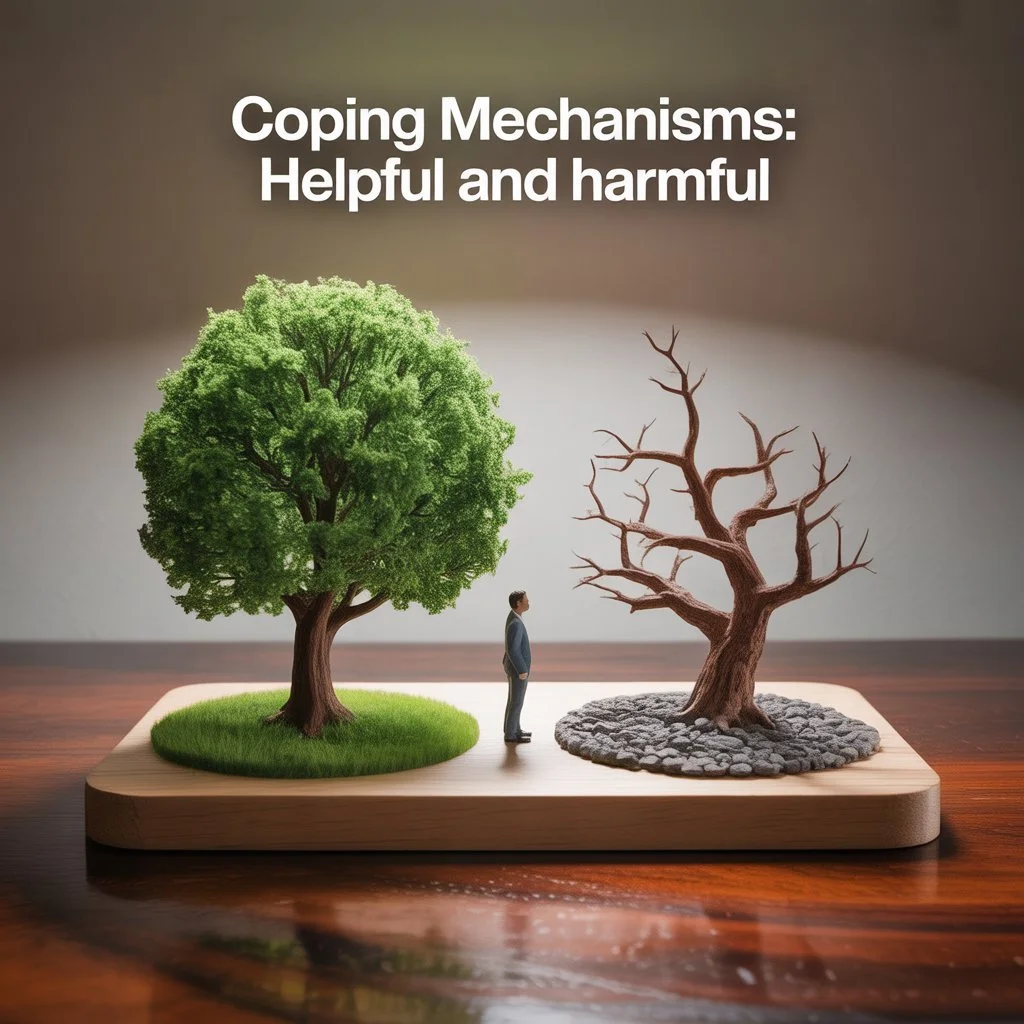
When people carry deep wounds, they often look for ways to cope with the pain. For Aaron, this journey included both harmful and helpful strategies. His story shows how the methods we choose can either prolong suffering or guide us toward healing.
In his earlier years, Aaron leaned on harmful coping mechanisms. He sought love and validation through physical intimacy, hoping that closeness with others would quiet the ache inside. Instead of bringing relief, these choices only masked the pain for a short while. At the same time, he often suppressed his emotions rather than facing them. Pushing feelings down created an inner pressure that built up over time, leading to even more confusion and exhaustion.
The shift began when Aaron discovered healthier practices that grounded him. Exercise became a way to release stress and reconnect with his body. Martial arts, especially kung fu, gave him structure, discipline, and a sense of empowerment. Meditation and the teachings of Buddhism helped him sit with his emotions instead of running from them. These practices became tools for transformation, allowing him to move through pain with greater awareness and strength.
The lesson Aaron highlights is clear: coping methods can take us in two very different directions. Some drag us further into cycles of avoidance and emptiness, while others give us the chance to rise above challenges and find true balance. Choosing the latter is not always easy, but it makes all the difference in creating a life that feels whole and authentic.
The Role of Spirituality in Healing
For Aaron, true healing did not come only from physical practices or external changes. It came when he began to connect with something deeper: spirituality. His journey reminds us that healing is not just about treating the mind and body, but also about nurturing the soul.
Spirituality provided Aaron with a framework to make sense of his pain. Instead of seeing trauma as a weight that defined him, he began to understand it as part of a larger journey of growth. Through spiritual exploration, he found meaning in the struggles he faced and discovered that even suffering could open the door to transformation.
One of the most powerful shifts for Aaron came from practices like meditation and mindfulness, which allowed him to slow down and truly listen to his inner self. He learned to sit in silence, observe his thoughts, and connect to a sense of peace that was not dependent on external circumstances. These spiritual practices helped him recognize that his worth did not come from achievements, relationships, or material success, but from the essence of who he already was.
Spiritual teachings also gave Aaron a language for compassion and forgiveness, both for others and for himself. Carrying trauma often comes with feelings of guilt, shame, and resentment. By turning to spirituality, Aaron learned to release some of these burdens and replace them with a greater sense of acceptance.
The role of spirituality in Aaron’s story shows us that healing is multi-layered. It is not enough to simply push through life with strength or distract ourselves with temporary fixes. True restoration requires looking inward, connecting to something larger than ourselves, and allowing the soul to guide the path forward.
The Power of Internal Healing

One of the most profound lessons Aaron shares is that real change begins within. He puts it simply: “You’re the only part of your story that you get to write.” While external circumstances, family histories, and cultural expectations may shape us, they do not have to define the final outcome of our lives.
Internal healing begins with reframing the story. Instead of seeing trauma as something that permanently damages us, Aaron views it as an invitation to grow stronger and more self-aware. This shift in mindset changes the way we carry our pain. It does not mean ignoring what happened, but it does mean deciding how we respond moving forward.
Of course, doing inner work is not easy. Facing trauma often feels terrifying because it requires us to revisit painful memories and emotions we have long tried to bury. Many people avoid this process because it feels safer to stay busy, distracted, or disconnected. But Aaron explains that avoiding the work only prolongs the suffering.
The reward of inner healing is freedom. When you stop running from yourself, you begin to experience peace. Growth happens when you take ownership of your story, release what no longer serves you, and choose to write a different ending. Aaron’s journey is a reminder that healing is not about fixing a broken self but about uncovering the strength, resilience, and wholeness that was there all along.
Listen to the full episode here.
Love, Intimacy, and Emotional Needs
Another key part of Aaron’s story is his evolving understanding of love. For many years, he believed that physical intimacy was equal to love. Like many men, he sought comfort and connection through physical relationships, hoping that they would fill the deeper emptiness he felt inside. But instead of fulfillment, these experiences often left him feeling more isolated and misunderstood.
Aaron realized that love and intimacy are not the same. Physical closeness can be meaningful, but without emotional connection, it can feel hollow. True intimacy requires vulnerability, trust, and openness, qualities that cannot be substituted by physical acts alone.
This misunderstanding carried a heavy impact on Aaron’s well-being. Mistaking intimacy for love meant that he continued searching outside himself for validation, rather than cultivating the emotional connection and self-acceptance he truly needed. It created cycles of disappointment and reinforced feelings of emptiness.
The lesson Aaron draws from this experience is powerful: healing requires more than physical closeness. It requires emotional connection. Real love is not just about bodies coming together, but about souls meeting in authenticity. Only when he began to understand this distinction was Aaron able to move toward healthier relationships that nurtured him at every level — body, mind, and spirit.
Listen to the full episode here.
You’re a Soul with a Body: A Spiritual Perspective
One of the most transformative insights Aaron shares is the idea that we are not bodies with souls, but souls that happen to be living in a body. This perspective shifts the way we see ourselves and our purpose in life. If the body is just the vessel, then our true identity is spiritual in nature.
This belief carries important implications. Instead of prioritizing material status, appearance, or possessions as the source of self-worth, Aaron emphasizes the importance of nurturing spiritual health. The body and the mind matter, but the soul is the foundation. When spiritual well-being is ignored, even the most successful life can feel empty.
Aaron frames well-being as a three-part balance: caring for the body, nurturing the mind, and feeding the soul. Caring for the body means exercise, rest, and physical nourishment. Nurturing the mind means learning, self-awareness, and mental resilience. Feeding the soul means practices like meditation, prayer, connection to nature, or any activity that reminds us of the deeper meaning of life. When all three are aligned, a person experiences harmony, purpose, and peace.
For Aaron, this shift from material to spiritual identity was liberating. It allowed him to stop chasing external validation and instead focus on becoming grounded in who he really is — a soul on a journey of growth and healing.
Safe Spaces and Vulnerability
Alongside personal healing, Aaron highlights the role of community and safe spaces in recovery. He advocates for environments where people are not judged or silenced, but deeply listened to. Healing begins when someone feels that their story matters and that their pain is heard without criticism or dismissal.
For men in particular, this is vital. Many grow up being told to hide their emotions or “man up” when they feel pain. Over time, this cultural conditioning creates walls that keep them isolated and disconnected. Aaron insists that breaking this cycle starts with vulnerability, the courage to speak openly and honestly about struggles.
The role of community cannot be overstated. A safe, nonjudgmental space offers validation and empathy. When someone listens with compassion, it helps release the burden of silence. This connection creates a sense of belonging and shows that healing is not a solitary process.
Why does this approach work? Because empathy and validation dismantle the belief that we are alone in our suffering. When men and women experience true listening, it becomes easier to face wounds, to stop masking, and to move toward authentic growth. Aaron’s vision is a world where vulnerability is seen not as weakness but as a doorway to strength and transformation.
Why You Should Listen to This Episode
There is something powerful about hearing someone’s story in their own voice. Aaron’s journey of healing and self-discovery carries a level of authenticity and emotion that written words alone cannot fully convey. His willingness to speak openly about pain, vulnerability, and transformation makes this episode a rare and valuable listen.
What makes the conversation even more impactful is the way it blends different perspectives. Aaron does not only share personal experiences but also weaves in spiritual insights, philosophical reflections, and practical tools for navigating trauma. This combination makes the episode both deeply human and highly actionable.
If you have ever wondered what authentic healing looks like, or if you know someone who is struggling to reconcile pain with growth, this episode is for you. It offers both hope and clarity.
Listen to the full episode here.
Conclusion
At its heart, this conversation with Aaron Ash reminds us that true healing begins within. It requires looking inward, embracing the soul, and recognizing that we are much more than the bodies we live in.
The key message is simple but powerful: men’s mental health matters. Vulnerability is not weakness but strength, and spiritual growth can bring the balance and peace that so many long for.
If you are searching for inspiration to begin your own healing journey, do not miss this powerful conversation with Aaron Ash. It may be the encouragement you need to take the first step toward self-awareness, wholeness, and inner peace.

Navigating the World as a Neurodivergent Woman
Table of Contents
Intro
Navigating the World as a Neurodivergent Woman
The Hidden Cost of Masking
The Journey to Diagnosis and Self-Understanding
Embracing Neurodivergence as a Strength
Managing the Challenges
Leading and Supporting Others
Academic and Advocacy Work
Why You Should Listen to This Episode
Conclusion
Navigating the World as a Neurodivergent Woman
Many women with ADHD or autism spend years hiding their true selves, putting on a mask to fit into workplaces, schools, and social circles. This constant performance can be exhausting and disorienting. But what happens when a woman stops masking and begins to lead with authenticity?
This conversation goes beyond the struggles of masking. It highlights the hidden strengths of neurodivergence, the importance of diagnosis and self-understanding, and how embracing differences can lead to more inclusive and effective leadership.
Let’s get started
The Hidden Cost of Masking
What Is Masking?
Masking is often described as a form of social camouflage. For many neurodivergent women, especially those with autism or ADHD, it becomes a daily survival strategy to fit into environments that expect “typical” behavior. Masking can take many forms. Some women learn to copy the tone of voice, gestures, or facial expressions of their peers in order to blend in. Others suppress natural behaviors like stimming, which might help them regulate emotions or stay focused. Many spend hours over-preparing for conversations or rehearsing responses so that they appear socially fluent.
While these strategies may allow neurodivergent women to pass unnoticed in classrooms or workplaces, they come at a heavy cost. Masking does not remove differences. It only hides them, often leaving the woman feeling disconnected from her true self.
Why It’s Exhausting
The effort required to constantly self-monitor is overwhelming. Imagine going through every interaction while silently calculating how to move, speak, or react in a way that will not draw attention. Over time, this creates deep exhaustion and can lead to what many describe as autistic or ADHD burnout. The toll is not just physical but also emotional.
Masking can leave women struggling with identity confusion. They may wonder, “Who am I really, beneath all the layers of performance?” This often comes with feelings of shame or inadequacy, as though their authentic selves are not enough. For some, the exhaustion builds until they can no longer maintain the facade, leading to breakdowns, withdrawal, or severe anxiety.
Rita reflected in the podcast on how years of masking left her drained and disconnected. She shared that while masking helped her “fit in” on the surface, it also meant living behind a wall where her true personality and needs were hidden. It was only when she began unmasking that she discovered her real strengths and started leading in a way that felt genuine.
The Journey to Diagnosis and Self-Understanding
The Turning Point
For Rita, the turning point came during her time at university. After years of confusion about why she struggled with certain tasks, she finally received a diagnosis of ADHD. That moment brought a wave of clarity. Behaviors and challenges that once seemed like personal shortcomings suddenly made sense. The late nights spent overcompensating, the difficulties staying focused, and the constant effort to appear “together” were not signs of laziness or weakness. They were part of how her brain was wired.
This diagnosis was more than a medical label. It became a mirror that helped Rita understand herself more deeply. She could now look back at her past struggles with compassion rather than blame. What once felt like an endless cycle of frustration began to feel like a story that finally had context.
Why Diagnosis Matters
For many neurodivergent women, diagnosis is life-changing because it shifts the narrative. Instead of internalizing years of criticism and believing they are “too much” or “not enough,” they can begin to see their differences for what they are: neurological variations. Diagnosis reframes challenges as part of a broader picture rather than as evidence of personal failure.
This new understanding opens the door to embracing strengths and building supportive environments. With self-knowledge comes the ability to advocate for accommodations, seek communities of understanding, and let go of the heavy burden of self-blame. Diagnosis also allows women to recognize the resilience they have built over years of surviving without answers.
For Rita, her diagnosis became the foundation of her leadership journey. It empowered her to stop hiding, to value her own perspective, and to use her lived experience as a source of strength rather than shame.
Embracing Neurodivergence as a Strength
A New Perspective on Leadership
For much of her life, Rita felt pressure to minimize or hide the traits connected to her autism and ADHD. Yet as she stepped into leadership roles, she began to see these very traits as assets rather than liabilities. Instead of apologizing for how her mind worked, she leaned into it.
Her natural curiosity became a powerful tool for innovation. Where others might accept the status quo, Rita asked questions, explored alternatives, and imagined possibilities that had not yet been considered. This constant drive to learn and improve opened doors to creative solutions and inspired those around her.
Her directness in communication, once misunderstood as bluntness, became a strength in leadership settings. People valued her honesty and clarity because it removed confusion and built trust. Rather than wasting energy on unnecessary social layers, Rita’s straightforward style allowed her team to focus on what truly mattered.
Her attention to detail, another hallmark of her neurodivergence, gave her a strong edge in problem-solving. By noticing patterns and details that others often overlooked, Rita could anticipate challenges early and maintain high standards of quality. This meticulousness ensured that her work and the work of those she led reached a higher level of precision.
Together, these traits positioned Rita as a leader who could innovate, communicate with clarity, and drive excellence in ways that were both unique and impactful.
Shifting from Deficit to Strengths-Based Thinking
Rita’s journey also highlights a critical shift in perspective. For years, society viewed neurodivergence primarily through the lens of deficits. The focus was on what was “wrong” or “missing.” But Rita demonstrates the power of moving from deficit-based thinking to strengths-based thinking.
When workplaces and communities embrace neurodivergence, they tap into a rich source of talent and creativity. What some see as challenges can, in the right environment, become exactly the qualities that push teams forward. Curiosity leads to innovation, directness fosters integrity, and attention to detail ensures resilience and quality.
This shift is not only empowering for neurodivergent individuals but transformative for organizations. By valuing differences instead of suppressing them, workplaces create cultures where diverse perspectives thrive. Such cultures are better equipped to solve complex problems, adapt to change, and foster belonging for everyone.
For Rita, embracing her neurodivergence has been both a personal victory and a professional advantage. Her story serves as a reminder that true leadership does not come from fitting into a mold. It comes from owning your identity and using your uniqueness to strengthen the whole.
Managing the Challenges
Overwhelm and Sensory Input
While embracing strengths is essential, Rita is also candid about the challenges that come with being neurodivergent. One of the most significant is sensory overwhelm. Neurodivergent brains often process sights, sounds, and other forms of input more intensely than neurotypical brains. What may feel like background noise to one person can be unbearable to another.
For Rita, this heightened sensitivity sometimes leads to moments of exhaustion or even shutdown. A crowded space filled with bright lights, constant chatter, and competing sounds can quickly drain her energy and focus. Over time, repeated exposure to overwhelming environments can contribute to burnout.
Acknowledging these challenges is not about focusing on limitations but about recognizing the reality of how neurodivergent individuals experience the world. By naming these struggles openly, Rita helps reduce stigma and builds understanding for why self-care and workplace accommodations matter.
Self-Regulation Practices
To navigate these challenges, Rita has developed self-regulation practices that allow her to protect her energy and maintain balance. Boundaries are one of the most important. This might mean limiting time in overstimulating settings, communicating needs to colleagues, or carving out quiet spaces to recharge.
Rest and recovery strategies also play a vital role. Rita highlights the importance of scheduling downtime, whether through meditation, spending time in nature, or engaging in low-stimulation activities that help her reset. These practices are not luxuries but essential tools for sustaining her well-being and productivity.
Equally important is knowing when to slow down. For many neurodivergent people, the pressure to constantly keep up with fast-paced environments can be overwhelming. Rita has learned that intentionally pausing, pacing herself, and respecting her body’s signals are crucial steps toward long-term thriving.
By managing challenges in this way, Rita not only protects her own health but also models a healthier approach to leadership. Her story shows that thriving as a neurodivergent woman is not about avoiding difficulties but about developing strategies that make resilience possible.
Leading and Supporting Others
Rita’s Leadership Philosophy
Rita’s leadership style is deeply rooted in authenticity and self-awareness. After years of masking to fit societal expectations, she has embraced a new way of leading that prioritizes honesty, empathy, and clarity. Instead of hiding her neurodivergence, she openly shares her journey and uses it as a guide to support others.
For Rita, leadership is not about perfection or presenting a flawless image. It is about showing up as her true self and encouraging others to do the same. This authenticity allows her to build stronger trust with her team and community. By acknowledging both her strengths and her struggles, Rita models a leadership approach that feels real and attainable rather than intimidating. Her philosophy is that true leaders are those who bring their whole selves into the spaces they lead, creating environments where others feel safe to do the same.
Empowering Other Neurodivergent Women
A central part of Rita’s work is empowering other neurodivergent women who may still be navigating the exhausting cycle of masking. She understands from personal experience how isolating it can feel to constantly hide one’s differences in order to fit in. Through mentorship and peer support, she helps women step into their authentic selves and discover the strengths that come with being neurodivergent.
Rita also emphasizes the importance of community. Having safe spaces to connect with others who share similar experiences reduces shame and builds confidence. In these spaces, women can exchange strategies for managing challenges, celebrate wins together, and remind each other that neurodivergence is not a weakness but a different way of moving through the world.
Representation plays a powerful role in this process. When neurodivergent women see leaders like Rita thriving and embracing their differences, it opens up new possibilities. It sends a clear message that leadership is not limited to a single mold. Instead, it can look diverse, creative, and deeply human. Rita’s presence in leadership positions helps dismantle stereotypes and creates visibility that inspires others to pursue their own paths with courage.
By mentoring, supporting, and representing, Rita is not only leading in the present moment but also paving the way for future generations of neurodivergent women to step into leadership with confidence and pride.
Academic and Advocacy Work
Neurodivergent Leadership Studies
Rita’s personal journey has not only shaped her leadership style but also inspired her academic path. She is currently pursuing a master’s degree focused on neurodivergent leadership, a growing area of study that explores how diverse ways of thinking can transform organizations.
Her research centers on the idea that cognitive diversity is not just a social issue but also a strategic advantage. Traditional leadership models often reward conformity and standard approaches to problem-solving. In contrast, neurodivergent leaders bring fresh perspectives, creative solutions, and unique approaches to challenges. By studying these contributions through a formal academic lens, Rita is helping to build a body of knowledge that validates the strengths of neurodivergence and demonstrates their tangible impact in professional and organizational settings.
This academic work has ripple effects. It challenges old assumptions about who can and should be in leadership positions and it equips businesses, schools, and communities with evidence-based insights that show why embracing different brains benefits everyone. Rita’s studies are not just about her own growth but about creating a framework that others can follow.
Broader Movement
Rita’s advocacy goes beyond her personal achievements and into a larger movement. Around the world, more people are beginning to recognize that neurodivergence should not be viewed purely as a challenge to be managed but as an asset that can enrich teams, organizations, and communities.
The push is growing for workplaces and institutions to adopt more inclusive models of leadership and collaboration. These models move away from trying to force neurodivergent individuals to “fit in” to systems that were never designed with them in mind. Instead, they emphasize flexibility, creativity, and the redesign of environments to support all types of thinkers.
Rita’s work, both academic and personal, feeds into this broader shift. By sharing her story, contributing to research, and advocating for structural change, she is helping to reshape the narrative around neurodivergence. The goal is not just acceptance, but celebration. Inclusion is no longer about making room at the table, it is about recognizing that diverse voices are essential to building stronger, more innovative, and more compassionate institutions.
Her role in this movement shows how personal advocacy and academic pursuit can work hand in hand. She is both living the reality of neurodivergent leadership and contributing to the research that will help more people understand its value. This combination makes her a powerful voice in the ongoing conversation about what leadership in the modern world should look like.
Why You Should Listen to This Episode
There is something powerful about hearing a story directly from the person who lived it. Rita’s journey as a neurodivergent woman is inspiring not just because of what she has accomplished, but because she shares it with openness and honesty. When you hear her voice, the challenges and triumphs take on a new dimension that cannot be captured fully on paper.
This episode of On the Spectrum Empowerment Stories does more than tell a personal narrative. It weaves together lived experience, academic insight, and practical strategies that anyone can apply. Whether you are neurodivergent yourself, a parent, an educator, or an employer, you will walk away with tools to better understand and support cognitive diversity.
Listening also gives you the chance to hear directly how Rita has reframed traits that once felt like barriers into leadership strengths. Her reflections can spark new ways of thinking about your own work, your community, and how you engage with others.
If you want to go beyond theory and see how empowerment and leadership unfold in real life, this is an episode you cannot skip.
Conclusion
The conversation with Rita is a reminder that neurodivergence is not something to hide or correct. It is a strength that can be embraced and celebrated. For years, masking allowed many neurodivergent women to survive in systems that were not designed for them, but survival is not the same as thriving. Rita shows us that authenticity is the key to unlocking both personal fulfillment and meaningful leadership.
Her story offers a new vision for what leadership can look like: one rooted in curiosity, honesty, and resilience. It is not about fitting into old molds but about shaping new spaces where diverse minds can flourish.
If you want to understand how neurodivergent women are reshaping leadership and challenging outdated ideas, this is an episode you do not want to miss. Listen, share, and take part in building a world where authenticity and diversity are at the heart of leadership.
Listen to the podcast here and dive into Rita’s inspiring story