
If you are parenting an autistic child, you have probably already noticed that routine is not just something your child prefers. It is something their nervous system genuinely needs. The meltdown that happens when breakfast looks different than usual. The dysregulation that follows an unexpected change in plans. The way a predictable day produces a version of your child that is calmer, more engaged, and more able to cope with whatever demands come up, compared to a day where things shifted without warning.
That is not rigidity for its own sake. That is an autistic nervous system doing exactly what it is designed to do, seeking predictability because predictability is what allows it to regulate rather than stay perpetually on alert for what might be coming next.
Building a daily routine for an autistic child is one of the most practical and most immediately impactful things a parent can do. This post covers how to do it well, for children across the age range, in a way that is actually sustainable for the whole family.
Table of Contents
Why Routine Matters So Much for Autistic Children
Start With Anchor Points Not a Minute by Minute Schedule
Morning Routines for Autistic Children
After School Routines and Decompression Time
Evening and Bedtime Routines
Using Visual Supports to Make the Routine Work
Building Transition Warnings Into Every Part of the Day
How to Handle Routine Disruptions
Adapting Routines as Your Child Gets Older
When Routine Alone Is Not Enough
FAQs
Final Thoughts
Why Routine Matters for Autistic Children
Routine reduces the cognitive and emotional demand of daily life for autistic children in a way that is genuinely neurological rather than simply habitual.
When the sequence of daily events is predictable, the autistic child's brain does not need to stay on high alert for what is coming next. The sensory, social, and cognitive resources that would otherwise go toward monitoring an unpredictable environment are freed up for engagement, learning, and connection. A well-structured day does not just make life easier to manage. It creates the conditions in which the autistic child can actually be present rather than perpetually braced.
The research supports this clearly. A systematic review found that structured, predictable environments consistently produced better behavioral and emotional regulation outcomes in autistic children than unstructured ones, with routine identified as one of the most accessible and most effective environmental supports available.
Understanding this helps parents move away from the framing that routine is about control or compliance, and toward the more accurate framing that routine is a genuine support tool for a nervous system that genuinely needs it.
Start With Anchor Points Not a Minute by Minute Schedule
The most common mistake in building a routine for an autistic child is making it too rigid. A schedule that accounts for every fifteen-minute block creates more points of failure than it prevents, because life does not cooperate with fifteen-minute precision and every deviation from the plan becomes a potential source of dysregulation.
What works better is building the routine around anchor points, the fixed, consistent moments that define the shape of the day, and leaving flexibility in what happens in between.
For most families, the natural anchor points are:
Wake time
Breakfast
School departure or the start of the home learning day
Lunch
After school arrival or transition from learning to free time
Dinner
Wind-down and bedtime
When these anchors are consistent from day to day, the autistic child knows the shape of the day even without knowing every specific detail within it. That predictable shape is what the nervous system is actually looking for, and it provides the regulatory benefit of routine without requiring military precision in every moment.

Morning Routines for Autistic Children
Morning is often the most challenging part of the day for autistic children and their families because it involves multiple transitions in quick succession within a time-pressured window. Waking up, personal hygiene, getting dressed, eating breakfast, and leaving the house, all in sequence, all against a clock.
The morning routine works best when it is built backward from the departure time and when every step is as consistent as possible from day to day.
Practical elements of an effective morning routine:
Wake time should be consistent, including on weekends where possible. Sleep inertia, the grogginess of waking, tends to be more pronounced in autistic children, and a consistent wake time supports the internal circadian regulation that makes waking up less of a battle.
Build in more time than you think you need. The cognitive and sensory demands of the morning sequence are higher for autistic children than for neurotypical children, and the transition cost between each step is real. A morning that feels rushed is a morning that is more likely to produce dysregulation before the day has even started.
Keep the sequence the same every day. The same order of steps, the same breakfast options, the same getting-dressed routine, reduces the number of decisions the child has to make and the number of unexpected elements they encounter before their nervous system has fully regulated from sleep.
Reduce sensory demands in the morning wherever possible. Comfortable clothing without irritating seams or tags, breakfast foods that are reliably accepted rather than varied unpredictably, and a calm, low-stimulation home environment during the morning routine all reduce the sensory load of what is already a cognitively demanding period.

After School Routines and Decompression Time
For autistic children who attend school, the after school period deserves specific attention because it is one of the most consistently mismanaged transitions of the day.
School is genuinely exhausting for most autistic children. The sensory demands, the social navigation, the masking, and the sustained regulatory effort of the school day mean that most autistic children arrive home having used a significant proportion of their daily regulatory resources. The behavior that happens in the hour after school, what some parents call the after school restraint collapse, is the nervous system finally releasing what it has been holding all day.
The after school routine should be built around decompression first.
This means:
A predictable, low-demand transition from school to home. The same route, the same greeting, the same first activity at home where possible.
Genuine downtime before any demands are placed. Homework, activities, and social interaction should not begin immediately after arrival. The decompression period is not optional. It is the resource replenishment that makes the rest of the afternoon possible.
A snack that is reliably accepted. Blood sugar drops after school are real and affect regulation significantly. A predictable, accepted snack removes one variable from an already demanding transition.
A clear signal that the decompression period is ending and the next part of the afternoon is beginning. This transition, like all transitions, benefits from advance warning and a consistent structure.
Evening and Bedtime Routines
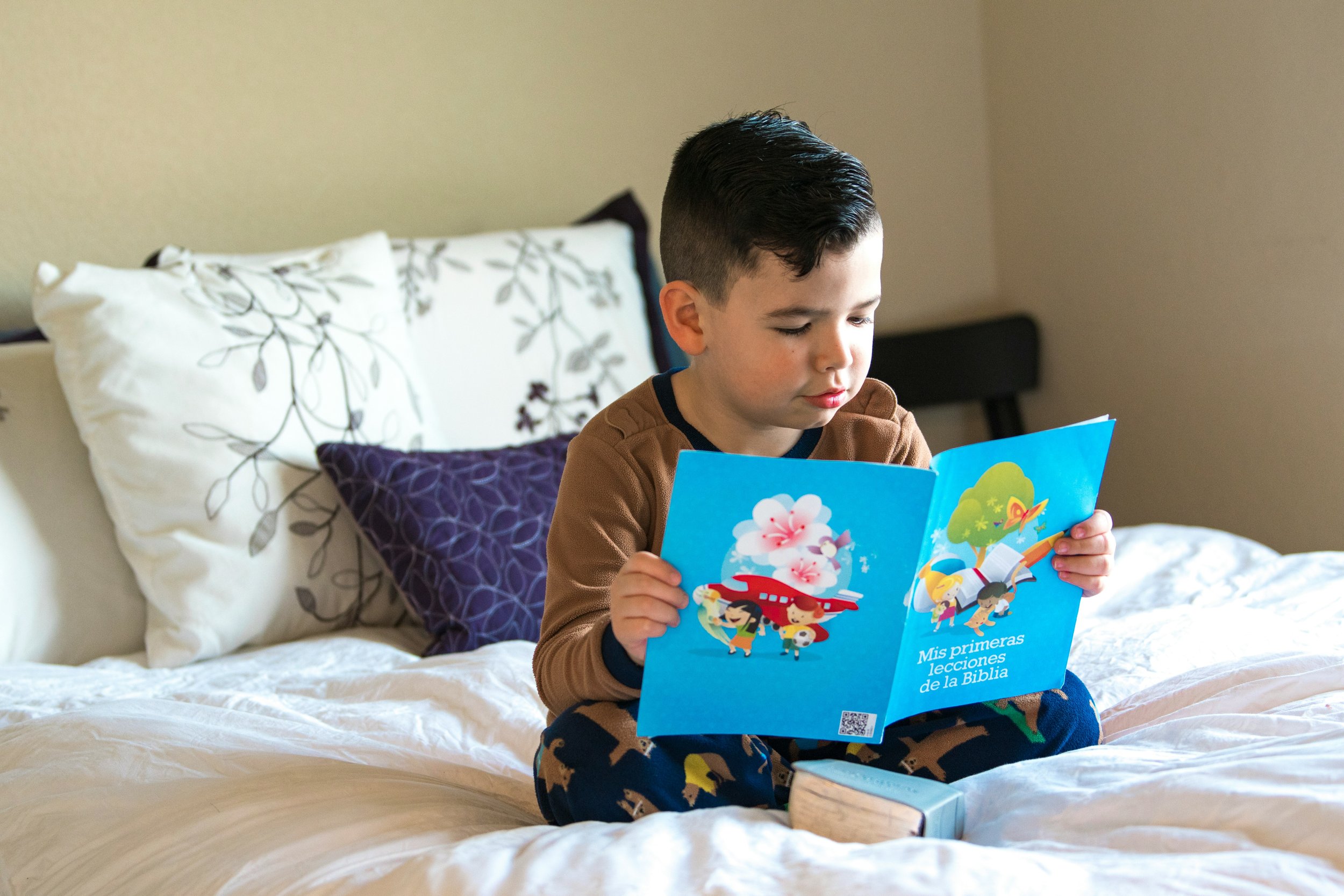
Sleep difficulties affect autistic children at significantly higher rates than neurotypical children, and the bedtime routine is one of the most evidence-based interventions available for improving sleep onset and sleep quality.
Research found that consistent bedtime routines were associated with better sleep outcomes in autistic children, including earlier sleep onset, fewer nighttime wakings, and better daytime behavior and mood, supporting the investment of time and consistency in building a reliable evening routine.
An effective bedtime routine for an autistic child typically involves:
A clear start time for the wind-down period, at least thirty to forty-five minutes before the target sleep time, and often longer for children who find the transition to sleep particularly difficult.
A consistent sequence of calming activities. Bath or shower if this is regulatory rather than activating for your specific child. A familiar, predictable story or quiet activity. Dimmed lighting that signals to the nervous system that the day is ending.
Reduction of screens before bed. The blue light from screens affects melatonin production, and melatonin regulation is already more commonly disrupted in autistic children than in neurotypical ones. Reducing screen exposure in the wind-down period supports the biological sleep signal.
A sensory-comfortable sleep environment. The right bedding texture, the right room temperature, adequate darkness, and appropriate sound management are all worth addressing specifically rather than assuming the standard environment is working.
The final moments before sleep should be as consistent and as calm as possible. Predictable last words, a consistent brief routine of lights out and settling, removes the negotiation that can extend the transition to sleep significantly.
Using Visual Supports to Make the Routine Work
Visual supports are one of the most consistently effective tools available for helping autistic children understand, follow, and eventually internalize daily routines, and they are useful across a wide age range rather than only for young children.
A visual schedule makes the sequence of the day visible and accessible in a way that verbal reminders do not. The child can see what is happening now, what comes next, and what the full shape of the day looks like, without having to hold that information in working memory or rely on a parent to provide it verbally on demand.
Visual schedules can take different forms depending on the child's age, communication level, and what works for their specific processing style. Photo-based schedules work well for younger children or those who are not yet reading. Written schedules work for older children and teenagers. Digital schedules or apps work well for children and adolescents who are comfortable with technology and who tend to have their devices with them.
The most important feature of any visual schedule is that it is used consistently and is placed where the child will naturally encounter it rather than requiring them to remember to check it.
For a much more detailed guide to building and implementing visual schedules specifically for autistic children, including the research behind them and the practical steps for getting started, the post on what is a visual schedule in autism covers everything you need to know.
Building Transition Warnings Into Every Part of the Day
Transitions are one of the most consistent sources of dysregulation in autistic children's daily lives, and they are also one of the most preventable when the routine is built to account for them.
A transition warning is an advance notice that a change is coming. Five more minutes and then we are leaving. Two more minutes and then it is time for bath. When the timer goes off we will start getting ready for bed.
Transition warnings work because they give the autistic child's nervous system time to begin disengaging from the current activity before the transition is required rather than being abruptly pulled out of it. The cognitive cost of the transition is real and significant. Transition warnings do not eliminate it but they reduce it substantially by making the upcoming change predictable rather than sudden.
Visual timers, particularly those that show time passing as a visible, shrinking segment rather than as digital numbers, are especially effective for autistic children because they make the abstract concept of how much time is left concrete and visually accessible.
How to Handle Routine Disruptions
Disruptions to routine will happen. School schedules change. Appointments alter the shape of the day. Illnesses upend the structure entirely. Building a plan for disruptions is as important as building the routine itself, because the plan for disruption is itself a form of predictability that the autistic child's nervous system can hold onto when the usual structure is not available.
Practical approaches to routine disruption:
Give as much advance notice as possible when a change is coming. Even if the change is unavoidable, knowing about it in advance is significantly less dysregulating than discovering it in the moment.
Acknowledge the difficulty explicitly. I know today is different from usual. That can feel hard. I am here is a simple, direct acknowledgment that validates the child's experience of the disruption without amplifying it.
Maintain as many elements of the usual routine as possible within the disruption. If the morning routine has to be shortened, keep the sequence even if the timing changes. The sequence is often more important to the child's regulation than the specific timing.
After the disruption, return to the usual routine as quickly and as completely as possible. Predictability after a disruption is as regulatory as predictability before one.
Adapting Routines as Your Child Gets Older
A routine that works for a seven-year-old will not look the same as a routine that works for a twelve-year-old, and building in regular reviews of the routine allows it to evolve with the child rather than becoming a source of conflict as their needs and preferences change.
As autistic children get older, involving them directly in the building of their routine increases buy-in and produces a routine that is more genuinely fitted to the child's specific profile. Older children and adolescents who have input into the structure of their day are significantly more likely to follow it than those who have it imposed.
The core principles remain the same across age groups. Consistency, predictability, transition warnings, and genuine decompression time are all as relevant for a thirteen-year-old as for a six-year-old. The specific content, the activities, the tools, and the level of independence built into the routine, will look very different.
When Routine Alone Is Not Enough
A well-built daily routine is one of the most impactful tools available for supporting autistic children, but it is not a complete support plan on its own.
Some children will need additional support beyond the routine structure, including speech and language therapy for communication, occupational therapy for sensory processing and daily living skills, and mental health support for anxiety that goes beyond what environmental structure alone can address.
If your child is experiencing significant difficulties with daily functioning despite a well-established routine, or if routine disruptions are producing responses that are intensely distressing and prolonged, speaking with a specialist who understands autistic children's needs is the appropriate next step.
FAQs
How rigid should a daily routine for an autistic child be?
Consistent but not inflexible. Anchor points should be consistent. The space between them can have some flexibility. A routine that is too rigid creates more failure points than it prevents.
What do I do when my autistic child refuses to follow the routine?
Look at what changed. Refusal is often a signal that something about the routine is not meeting a specific need rather than a general resistance to structure. Sensory discomfort, anxiety about a specific step, or a routine that has grown out of alignment with the child's current needs are common causes.
How long does it take for a routine to become established?
It varies significantly between children. Consistent implementation over several weeks is usually needed before a routine becomes genuinely internalized. Some children establish a routine quickly and others need longer.
Should the weekend routine be the same as the weekday routine?
As similar as possible in terms of anchor points, particularly wake time and mealtimes. Complete consistency is often not realistic on weekends, but maintaining the core structure of the day reduces the Monday morning dysregulation that often follows an unstructured weekend.
At what age should I start building a daily routine for my autistic child?
As early as possible. Routine is beneficial from the earliest years and establishes patterns that become more easily maintained as the child grows. There is no age that is too young to begin building consistent daily structure.
Final Thoughts
A daily routine for an autistic child is not about control. It is about creating the conditions in which your child can be genuinely present, genuinely regulated, and genuinely themselves, rather than spending their daily energy bracing for what is coming next.
The routine you build does not have to be perfect. It has to be consistent, honest about what your child actually needs, and flexible enough to evolve as your child grows. Those three things, consistency, honesty, and flexibility, are the foundation of a routine that actually works rather than one that looks good on paper and falls apart under real conditions.
Start with the anchors. Keep the sequence the same. Give the warnings before every transition. And allow your child the decompression time they genuinely need, not as a reward for good behavior but as the neurological necessity it actually is.
References:
Mindell JA, Williamson AA. Benefits of a bedtime routine in young children: Sleep, development, and beyond. Sleep Med Rev. 2018;40:93-108. https://pmc.ncbi.nlm.nih.gov/articles/PMC6587181/
Saam Z. The autistic child friendly school environment model for behavioral development in children with autism. J Educ Health Promot. 2025;14:358. https://pmc.ncbi.nlm.nih.gov/articles/PMC12448544/
Ibañez LV, et al. Enhancing interactions during daily routines: A randomized controlled trial of a web-based tutorial for parents of young children with ASD. Autism Res. 2018;11(4):667-678. https://pmc.ncbi.nlm.nih.gov/articles/PMC5903955/
